
Are you a tennis enthusiast considering switching to padel, or perhaps a beginner looking to choose between the two racket sports? You’re probably wondering, “Is padel moeilijker dan tennis?” (Is padel harder than tennis?). In this comprehensive guide, we’ll delve into the world of padel and tennis, exploring their similarities, differences, and the level of difficulty associated with each sport. By the end of this article, you’ll have a clear understanding of what to expect from both padel and tennis, helping you make an informed decision about which sport suits you best.
Introduction to Padel and Tennis: Understanding the Basics
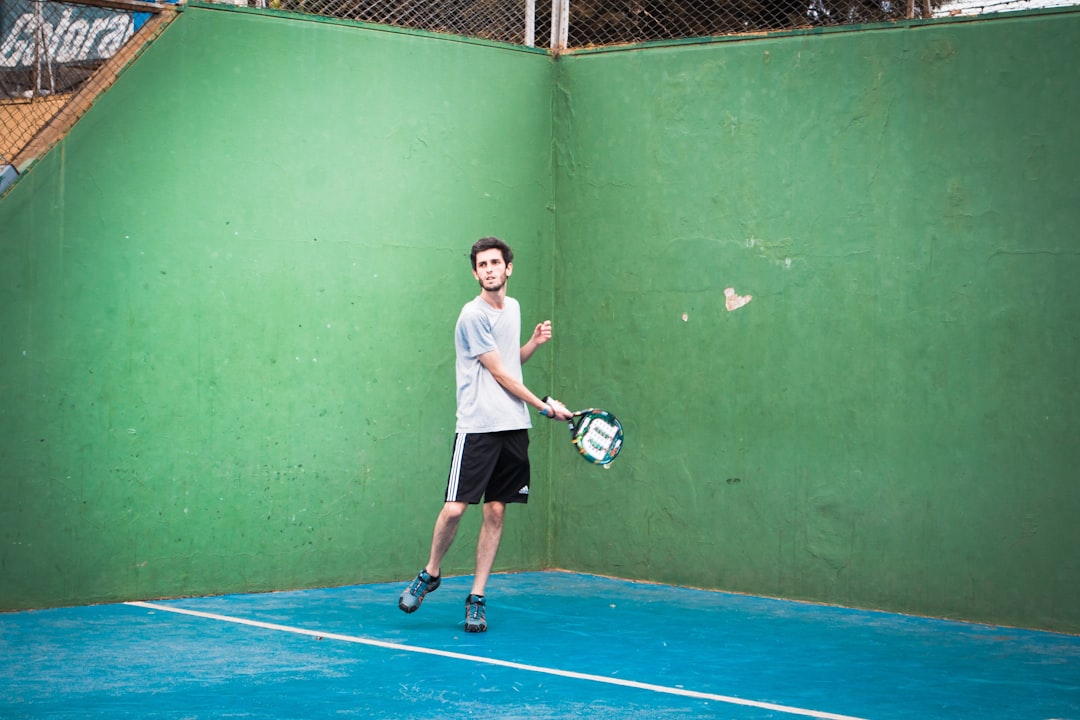
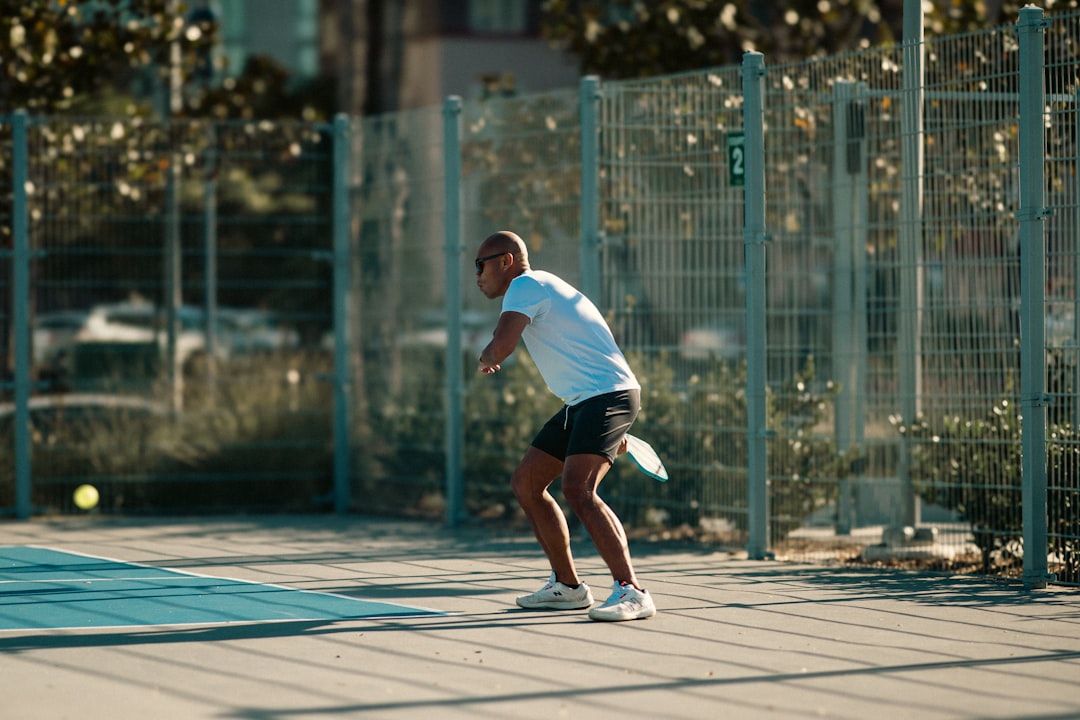
Before we dive into the difficulty level of padel and tennis, it’s essential to understand the basics of each sport. Padel, a relatively new sport, originated in Mexico in the 1960s and has since gained immense popularity worldwide. It’s played on a court with walls, using paddles and a plastic ball with holes. The game is typically played in doubles, and the rules are similar to those of tennis, with some notable exceptions. In contrast, tennis is a more traditional sport, played on a variety of surfaces, including grass, clay, and hard courts. The objective of both sports is to hit the ball over the net and into the opponent’s court, making it impossible for them to return.
Comparing the Difficulty Level: Padel vs. Tennis
So, is padel moeilijker dan tennis? The answer depends on various factors, including your current level of fitness, hand-eye coordination, and overall experience with racket sports. Padel is often considered a more accessible and social sport, as it’s easier to learn and play, especially for beginners. The paddles used in padel are larger and more forgiving, making it simpler to hit the ball and control its trajectory. Additionally, the court is smaller, and the ball is slower, giving players more time to react. However, as you progress to more advanced levels, padel can become quite challenging, requiring quick reflexes, strategy, and teamwork.
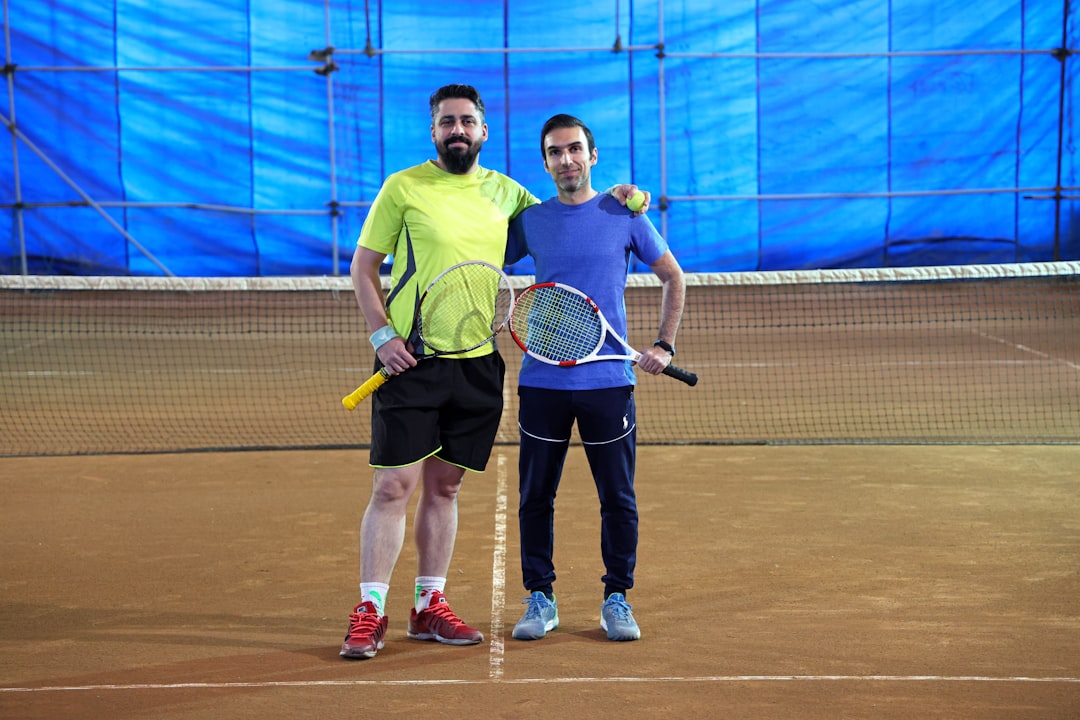
On the other hand, tennis is a more physically demanding sport, requiring a higher level of fitness, agility, and endurance. The courts are larger, and the ball is faster, making it more difficult to return shots. Tennis also requires a greater range of shots, including serves, volleys, and groundstrokes, which can be intimidating for beginners. Nevertheless, with practice and dedication, anyone can improve their tennis skills and enjoy the many benefits of playing the sport.
Key Differences and Similarities: Padel and Tennis
To better understand the difficulty level of padel and tennis, let’s examine some key differences and similarities between the two sports. Here are a few points to consider:
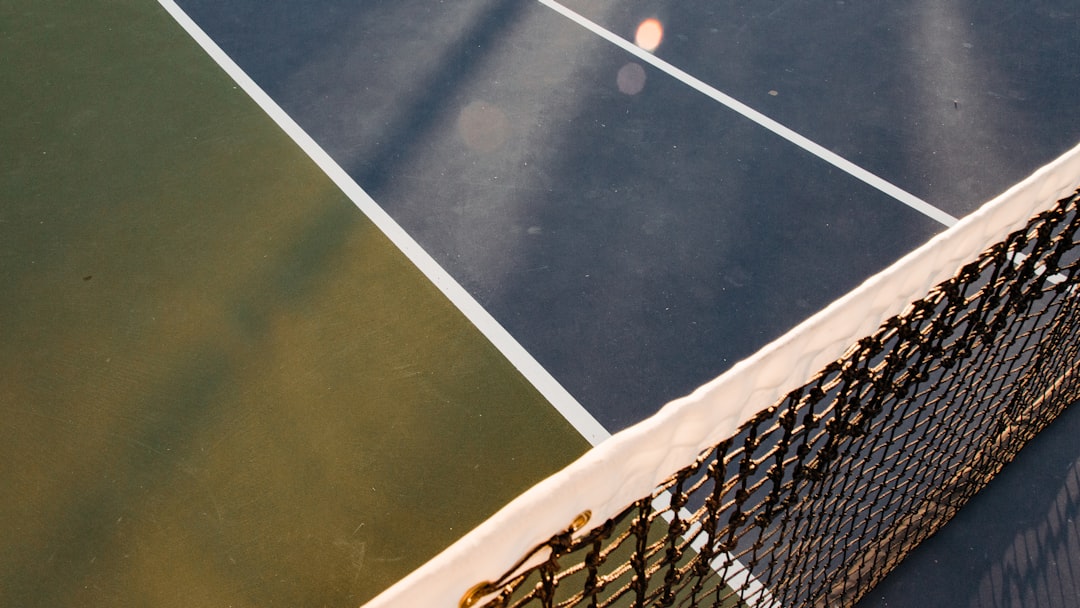
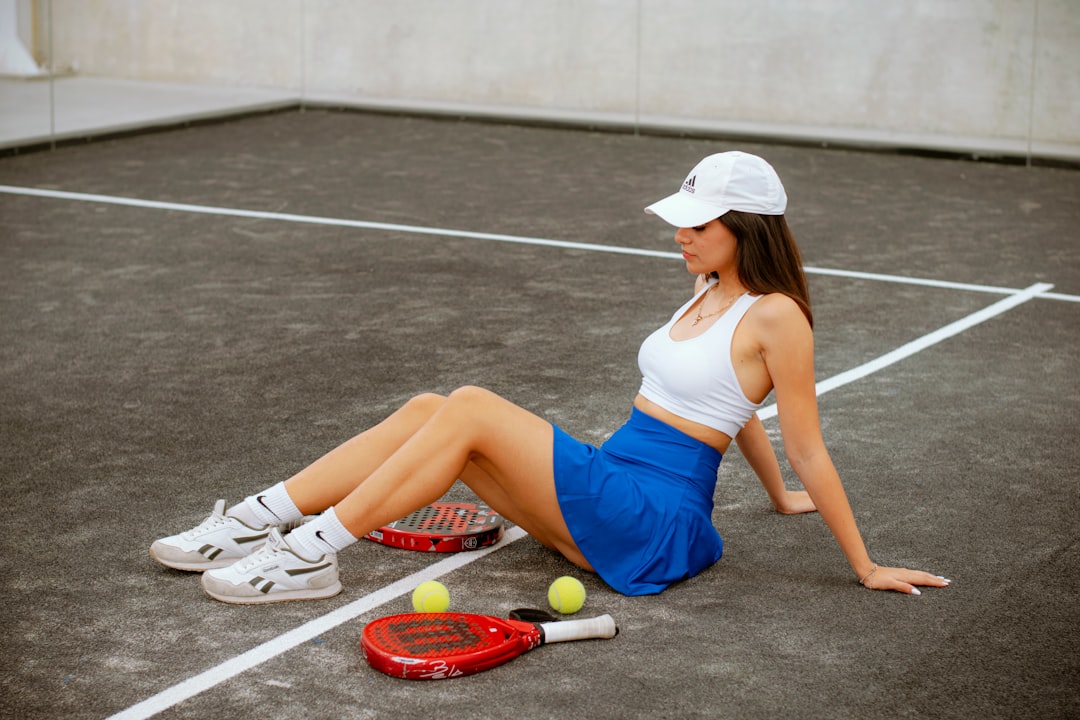
- Court size and layout: Padel courts are smaller (20×10 meters) and have walls, while tennis courts are larger (23.77×10.97 meters) and have no walls.
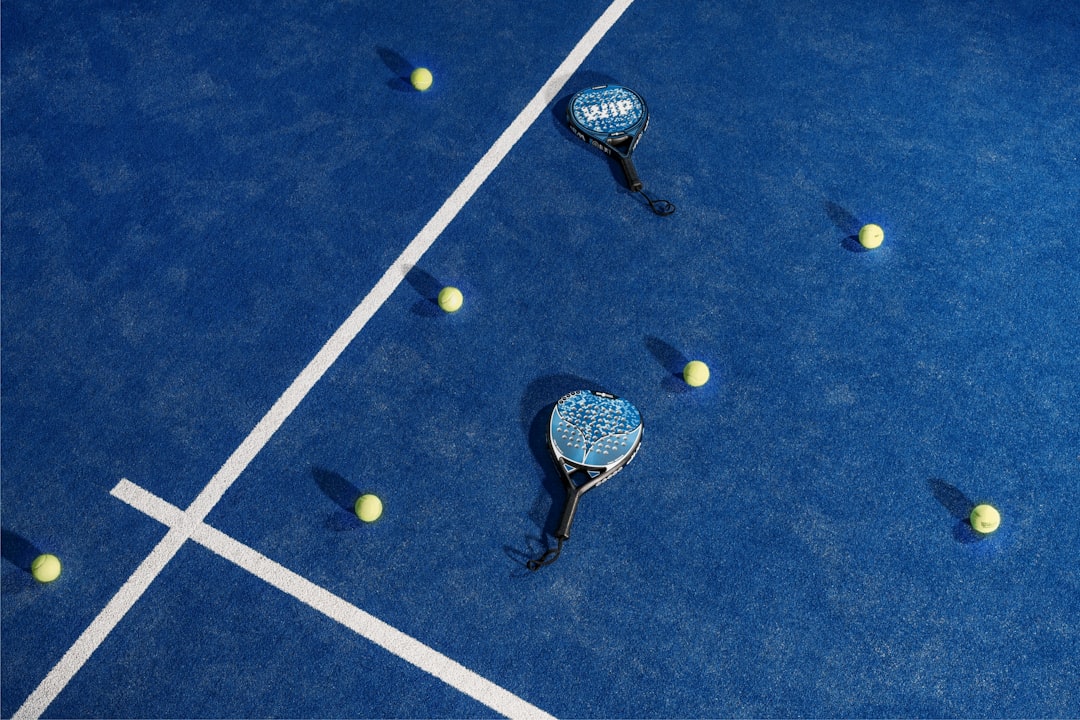
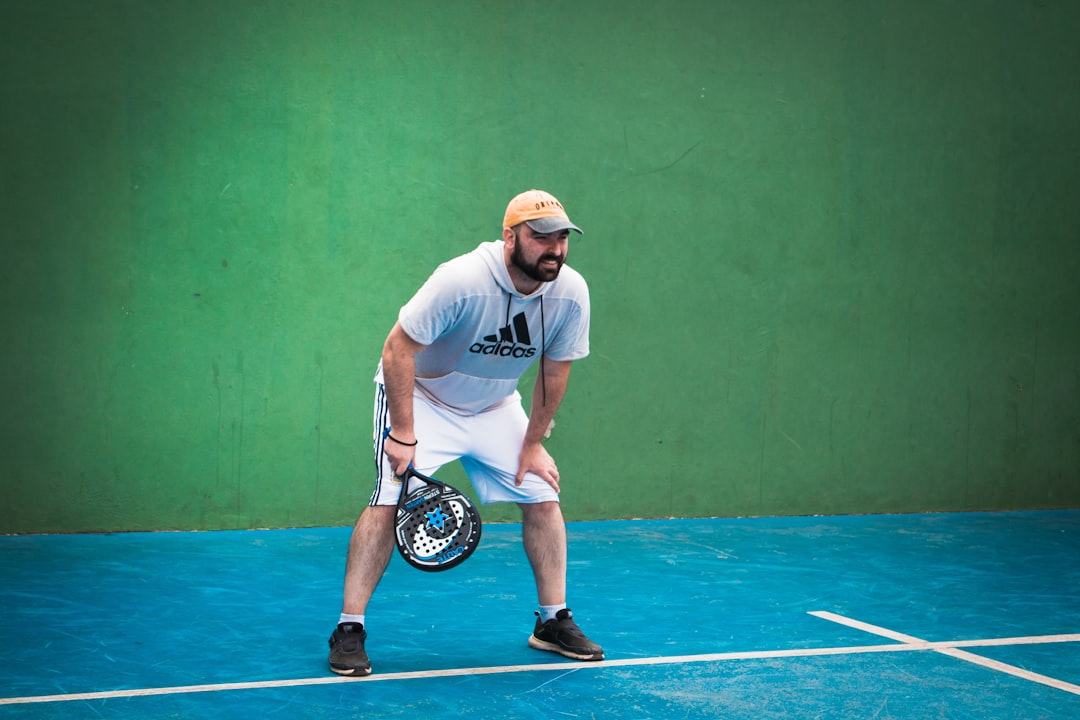
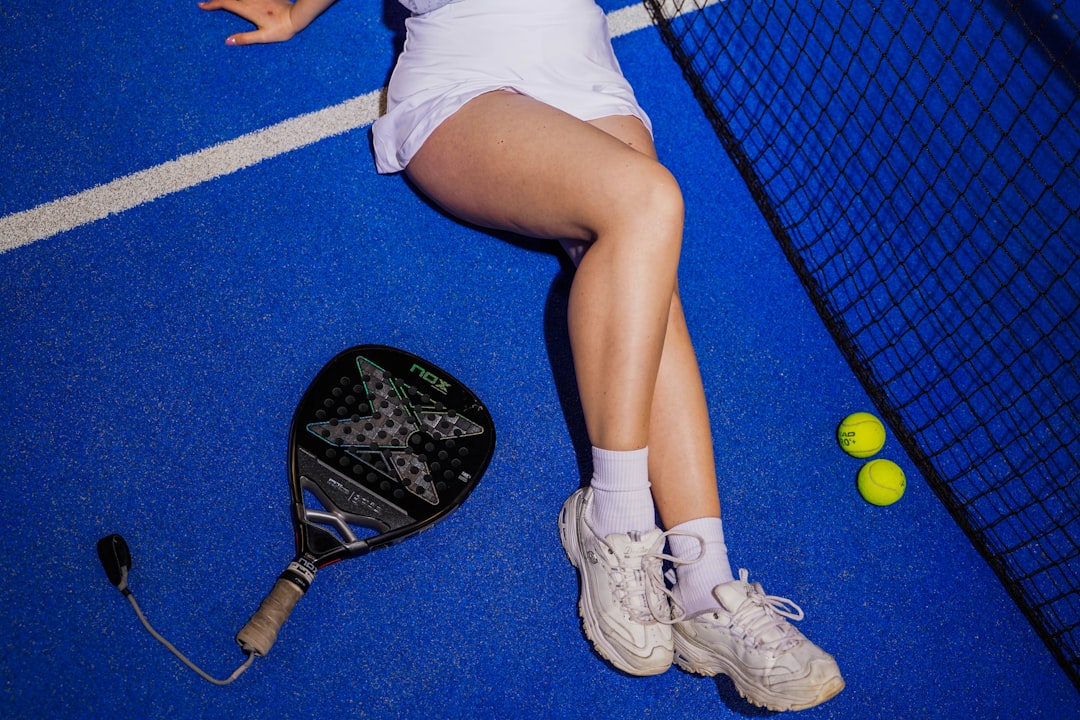
- Equipment: Padel paddles are larger and made of lightweight materials, while tennis rackets are smaller and more rigid.
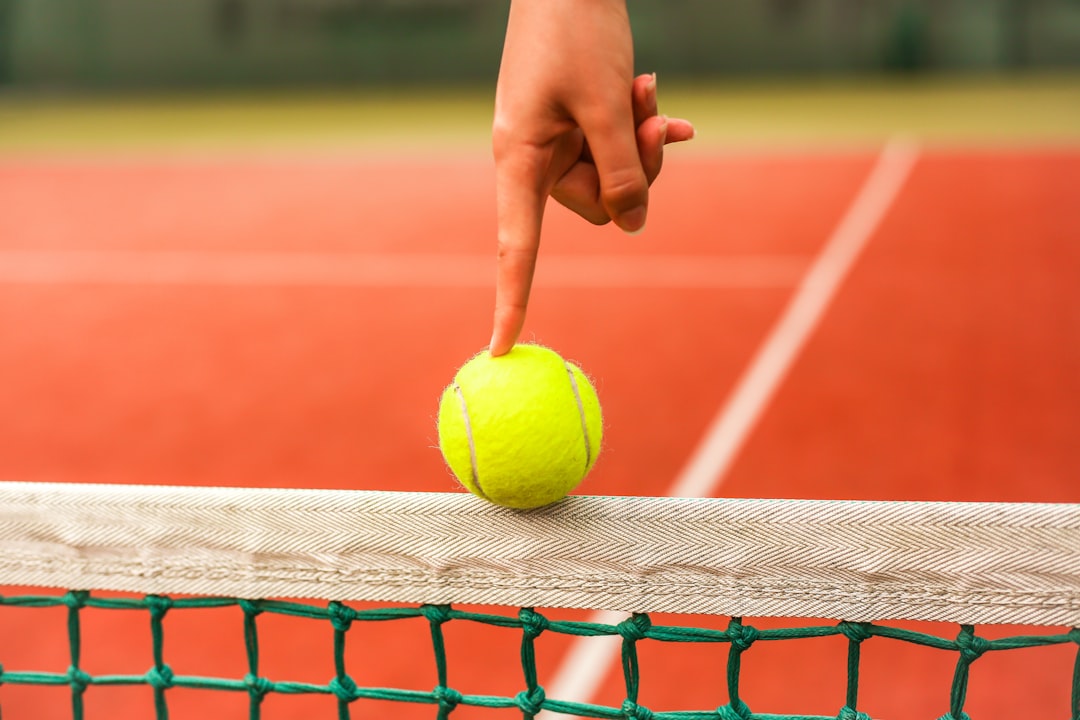
- Ball: Padel balls are plastic and have holes, making them slower and more forgiving, while tennis balls are made of felt and are faster.
- Gameplay: Both sports are played in a similar manner, with players hitting the ball over the net and into the opponent’s court.
- Scoring: The scoring system is also similar, with points, games, and sets won by the player or team that wins the most points.
- Start with the basics: Master the fundamental shots, including forehand, backhand, and serve.
- Practice regularly: Regular practice helps develop muscle memory and improves your overall technique.
- Focus on footwork: Agility and quick movements are crucial in both padel and tennis, so make sure to practice your footwork and reaction time.
- Play with different partners: Playing with partners of varying skill levels can help you adapt to different playing styles and improve your overall game.
- Stay hydrated and fueled: Proper nutrition and hydration are essential for optimal performance and recovery.
Training and Preparation: Tips for Improving Your Padel and Tennis Skills
Whether you’re playing padel or tennis, proper training and preparation are essential to improving your skills and reducing the risk of injury. Here are some valuable tips to get you started:
Conclusion: Choosing the Right Sport for You
In conclusion, the question “Is padel moeilijker dan tennis?” is subjective and depends on individual preferences and skill levels. Both padel and tennis offer unique challenges and benefits, and the right sport for you will depend on your personal goals, fitness level, and social preferences. If you’re looking for a more accessible and social sport, padel might be the perfect choice. However, if you’re willing to put in the time and effort to develop your skills, tennis can be a highly rewarding and challenging sport. Ultimately, the most important thing is to choose a sport that you enjoy and that keeps you active, engaged, and motivated. So, grab a paddle or racket, and get ready to experience the excitement and benefits of padel and tennis!

Laat een reactie achter