
Are you a tennis enthusiast considering switching to padel, or perhaps a newcomer to the world of racket sports wondering which one to choose? You’re not alone in pondering the question: is padel moeilijker dan tennis? The truth is, both sports have their unique challenges and requirements, making it essential to dive deeper into the specifics of each game. In this article, we’ll explore the key differences between padel and tennis, discuss the skills required for each sport, and provide insights into which one might be more challenging for you.
Introduction to Padel and Tennis: Understanding the Basics
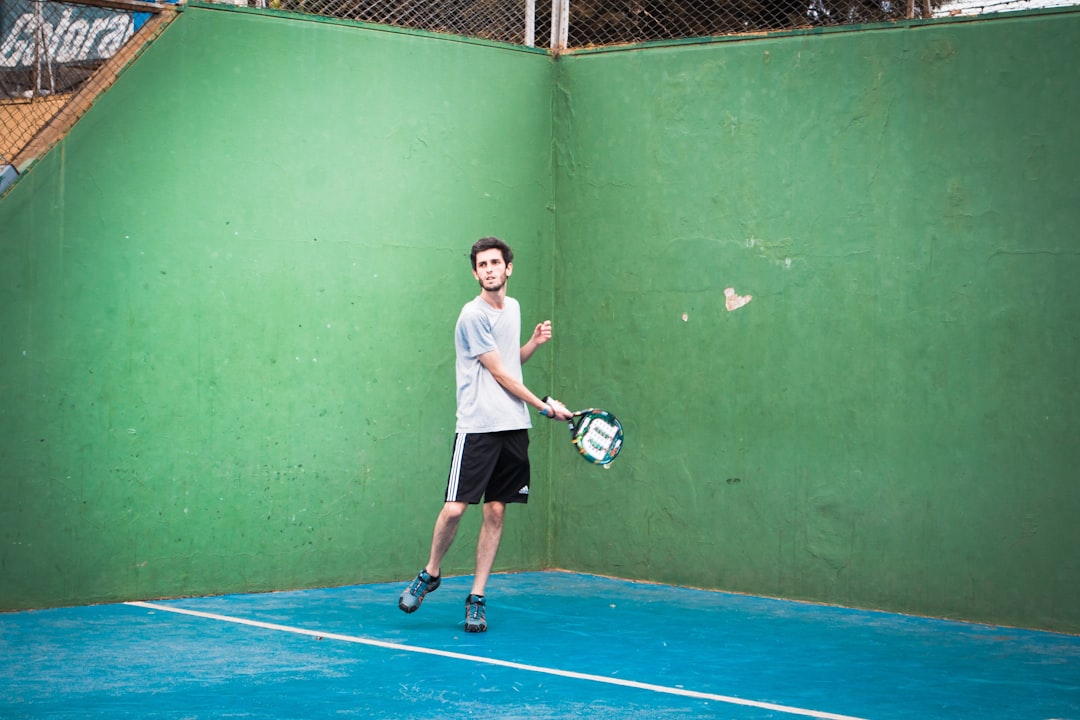
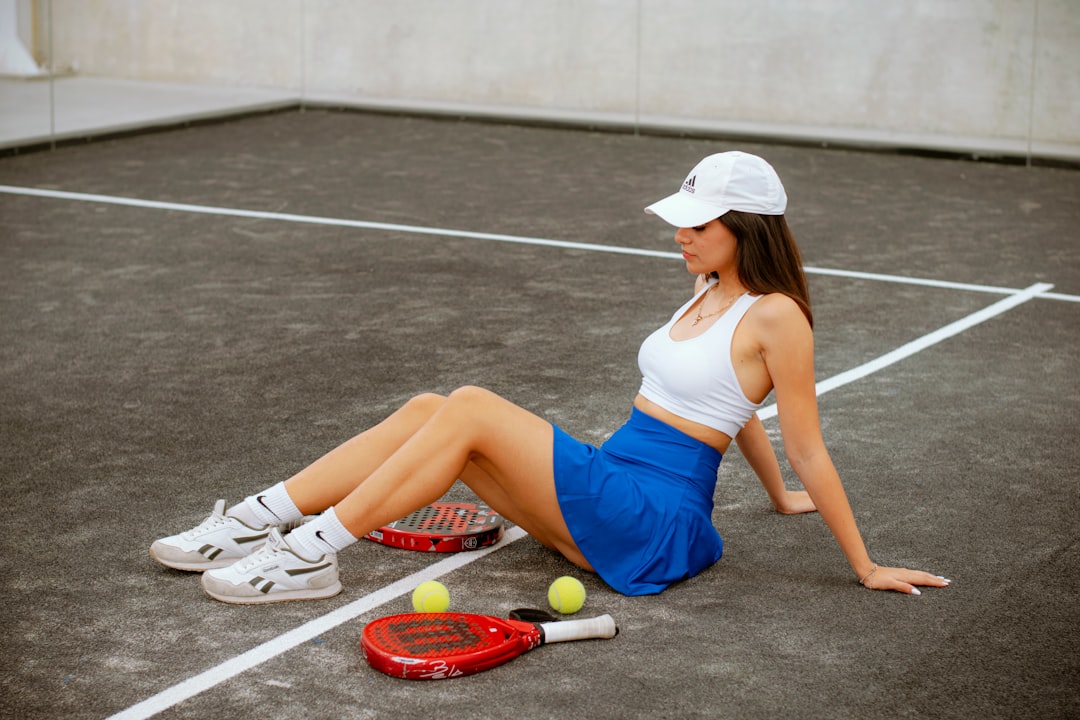
Before we can determine which sport is more challenging, it’s crucial to understand the fundamental rules and objectives of both padel and tennis. Tennis is a well-known sport played on a rectangular court with a net in the center. Players use rackets to hit a ball back and forth, aiming to make it land on the opponent’s side in such a way that they cannot return it. Padel, on the other hand, is a racquet sport that originated in Mexico and is now popular in many parts of the world, especially in Europe and Latin America. It’s played in doubles on a court that is smaller than a tennis court, with walls on all sides, allowing the ball to bounce off them, similar to squash. The objective is the same as in tennis: hit the ball in such a way that your opponents cannot return it.
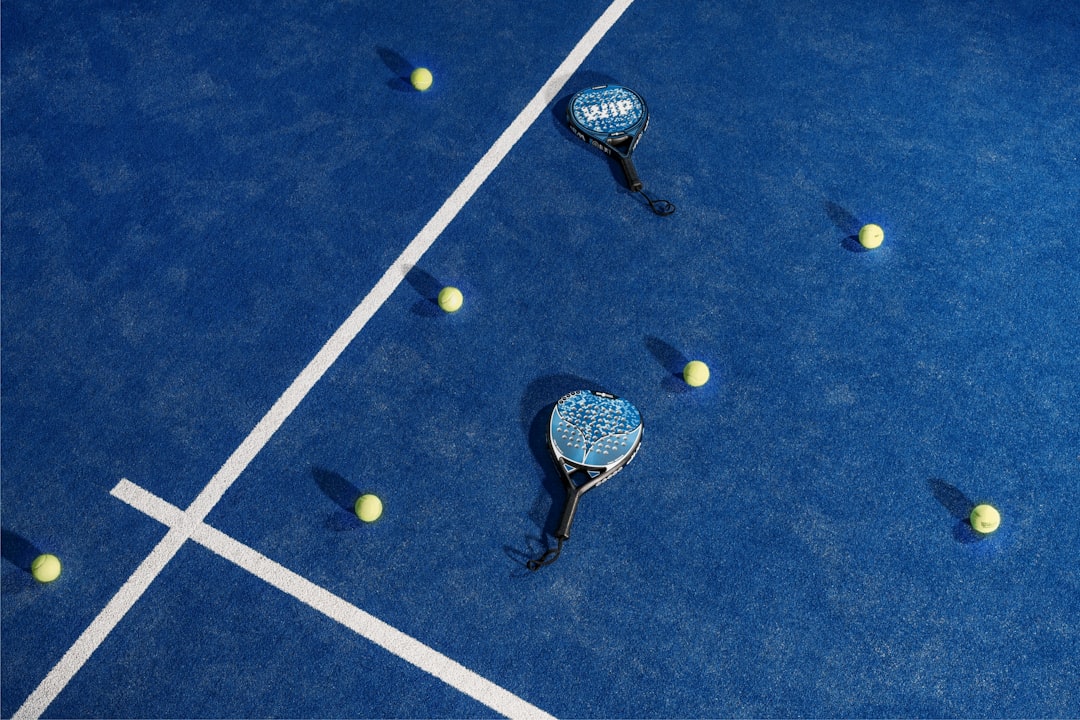
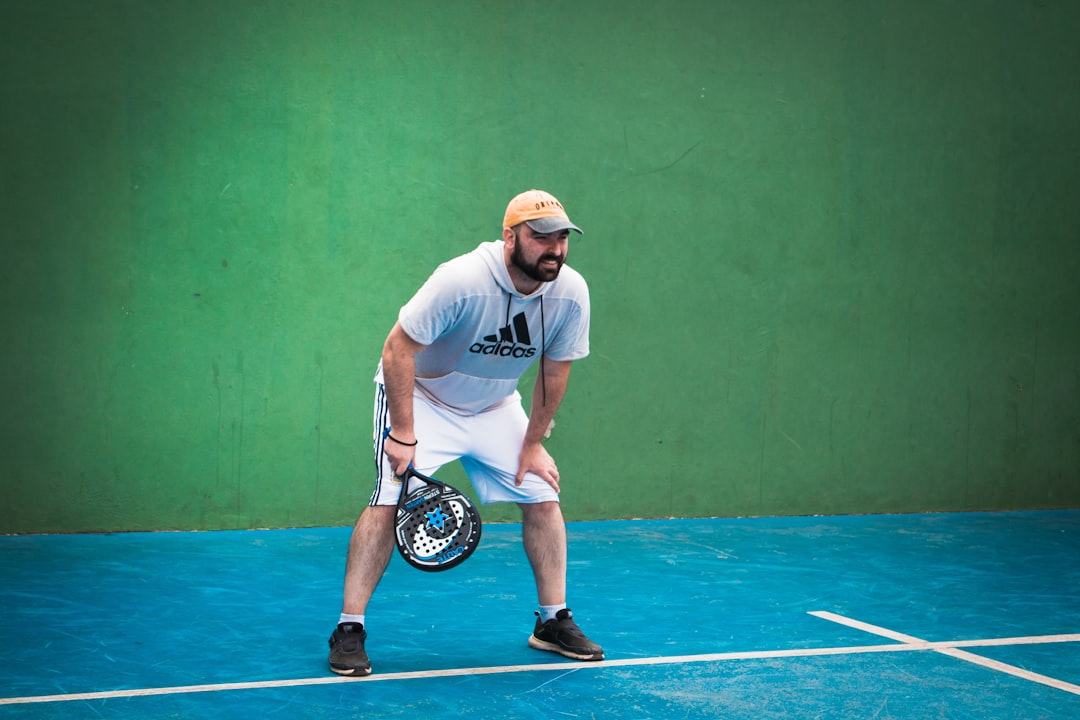
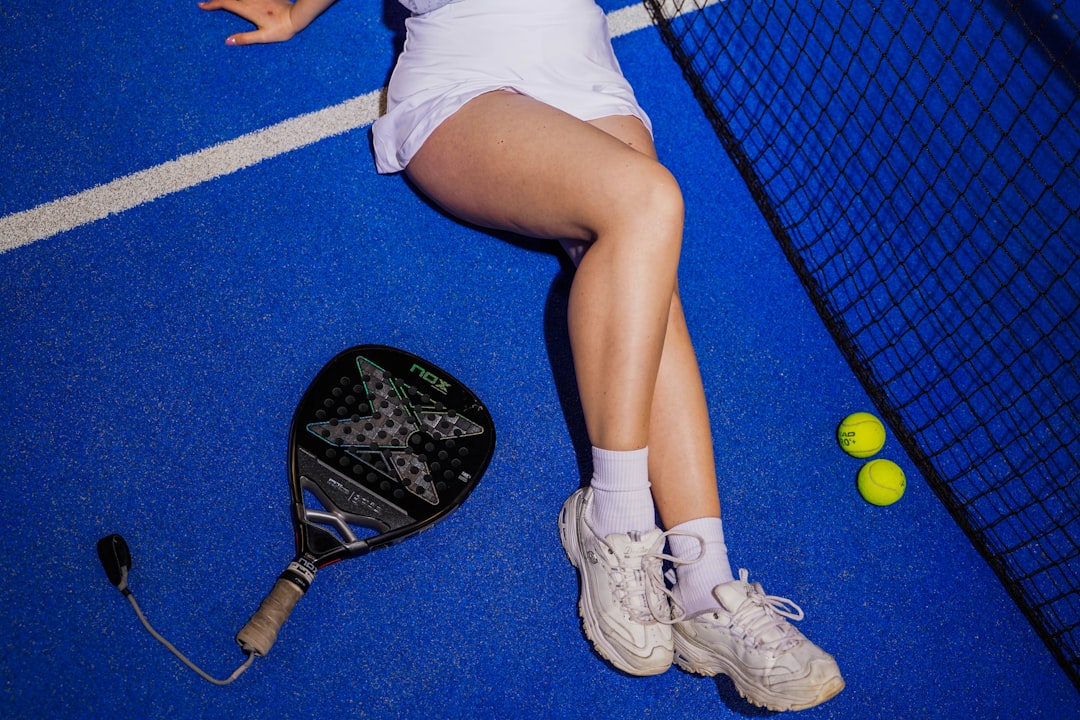
The equipment used in padel is also distinct, with paddles (instead of rackets) and a lower compression ball compared to tennis. These differences in court size, equipment, and rules significantly impact the gameplay, strategy, and the physical and technical skills required for each sport.
Physical Demands and Technical Skills: A Comparison
When comparing the physical demands of padel and tennis, several factors come into play, including endurance, agility, strength, and speed. Tennis is renowned for its high-intensity sprints, rapid changes of direction, and the need for a strong serve. The larger court size means players cover more distance during a match, which can be physically demanding. However, the one-on-one nature of singles tennis (and the option for doubles) allows for strategic breaks in play.
Padel, while physically demanding due to the quick reactions needed to respond to shots coming off the walls, tends to have shorter, more intense bursts of activity. The smaller court means less distance to cover, but the game’s fast-paced nature and the need to be ready for balls bouncing off the walls at sharp angles can be particularly challenging. The social aspect of padel, typically played in doubles, can also affect the physical and mental approach to the game, as teamwork and communication become crucial elements.
In terms of technical skills, tennis requires a high level of proficiency in various strokes, including the forehand, backhand, serve, and volley. The precision and power needed for a good tennis shot are quite high, and mastering different spins and shot placements is essential for success. Padel, while requiring strong technical skills, particularly in volleying and smash shots due to the nature of the game, may be more forgiving in terms of precision due to the paddle’s larger surface area and the ball’s lower speed and bounce.
Strategy and Mental Approach: The Psychological Aspect
Beyond the physical and technical aspects, the strategy and mental approach to padel and tennis can significantly influence the perceived difficulty of each sport. Tennis, especially at higher levels, is as much a mental game as it is physical. Players need to manage their emotions, stay focused over a long period, and adjust their strategy based on their opponent’s strengths and weaknesses. The individual nature of tennis (in singles) can make it a highly pressurized and mentally demanding sport.
Padel, with its doubles format, introduces a team dynamic that can both alleviate and add to the mental pressure. Coordination with your partner, communication, and trust become vital components of success. The fast-paced and unpredictable nature of padel, with balls bouncing off walls, can also test a player’s reaction time and decision-making under pressure.
Conclusion: Is Padel Moeilijker dan Tennis?
Determining whether padel is moeilijker (more difficult) than tennis ultimately depends on the individual’s background, skills, and preferences. Both sports offer unique challenges and rewards. Tennis might be considered more technically demanding and physically strenuous due to the larger court size and the specific skills required for each shot. On the other hand, padel’s fast-paced and unpredictable gameplay, combined with the need for strong teamwork and strategy in doubles, presents its own set of challenges.
For those transitioning from tennis to padel, the adjustment to the paddle, the lower bouncing ball, and the walls of the court can take time. Conversely, padel players moving to tennis might find the larger court and the need for more powerful and precise shots to be a significant challenge.
In conclusion, whether padel is moeilijker dan tennis is a matter of personal perspective and experience. Both sports are rewarding and can provide excellent physical exercise, mental stimulation, and social interaction. The key to enjoying either sport is to understand its unique demands, be willing to learn and adapt, and most importantly, to have fun while playing. Whether you’re leaning towards the precision and individual challenge of tennis or the dynamic team play of padel, there’s a racket sport out there waiting for you to discover its joys and challenges.

Laat een reactie achter