
Are you a fan of racket sports, wondering which one is more challenging – padel or tennis? As a enthusiast of both sports, you’re probably aware of the similarities and differences between them. But, have you ever stopped to think about the level of difficulty involved in each? In this article, we’ll delve into the world of padel and tennis, exploring the techniques, strategies, and physical demands required for each sport. By the end of this post, you’ll have a better understanding of whether padel is indeed moeilijker dan tennis.
Introduction to Padel and Tennis: Understanding the Basics
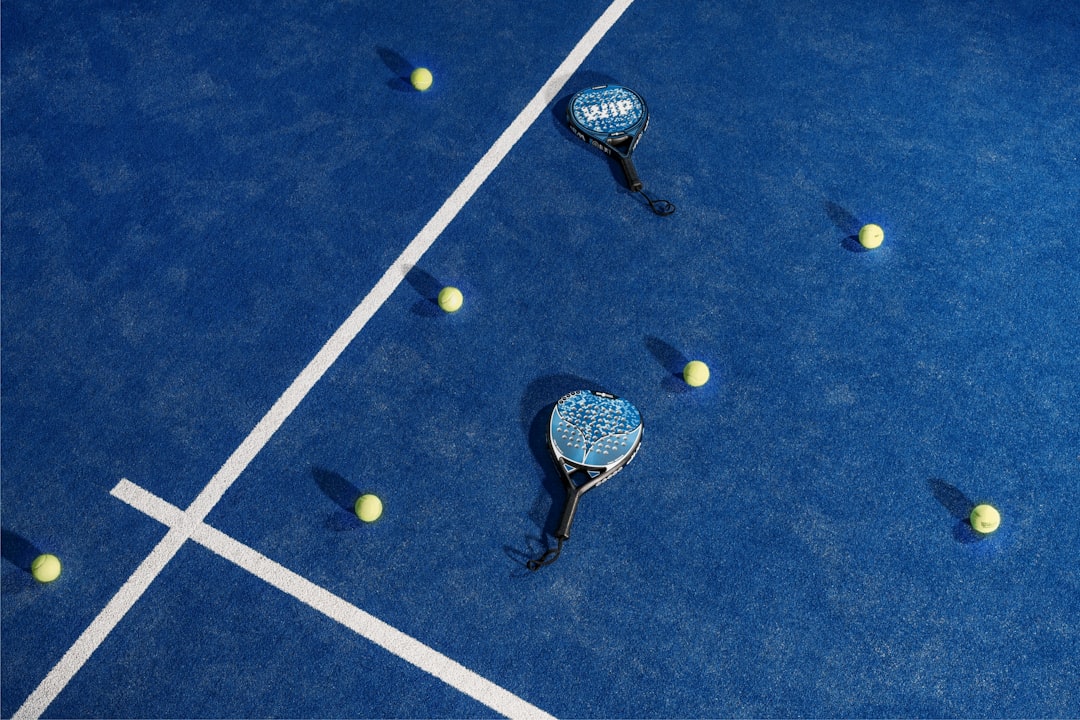
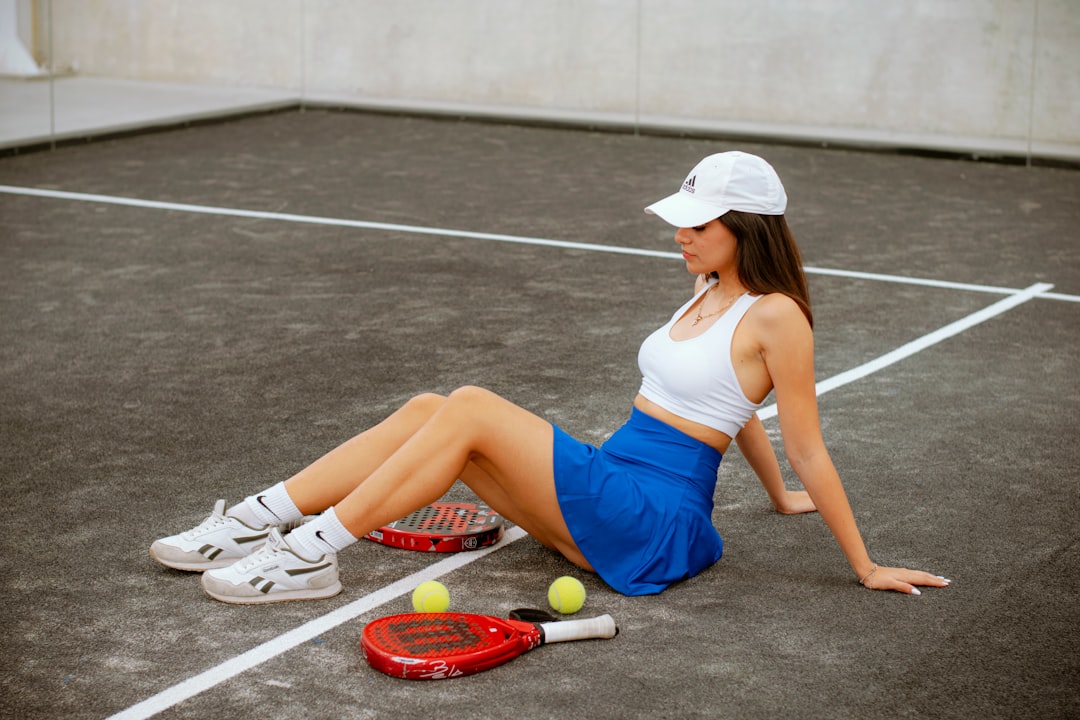
Before we dive into the nitty-gritty of which sport is more challenging, let’s first cover the basics of padel and tennis. Padel, a relatively new sport, originated in Mexico in the 1960s and has since gained popularity worldwide. It’s played on a smaller court with walls, using paddles and a lower-bouncing ball. Tennis, on the other hand, is a more traditional sport with a larger court and rackets. The objective of both games is to hit the ball over the net and into the opponent’s court, but the rules and techniques differ significantly.
Tennis is a highly technical sport that requires a strong foundation in stroke production, footwork, and strategy. Players need to master various shots, including forehands, backhands, serves, and volleys. In contrast, padel is often described as a more accessible and social sport, with a focus on doubles play and a stronger emphasis on strategy and teamwork. However, this doesn’t mean that padel is easier than tennis. In fact, padel requires a unique set of skills, including hand-eye coordination, agility, and communication with your partner.
Physical Demands: Which Sport Requires More Endurance?
When it comes to physical demands, both padel and tennis are excellent workouts. However, the nature of the sports differs significantly. Tennis is a high-intensity sport that requires quick bursts of speed, rapid changes of direction, and sustained endurance over a longer period. A typical tennis match can last anywhere from 1 to 3 hours, with players covering distances of up to 3 miles. In contrast, padel matches are generally shorter, lasting around 45-60 minutes, with less overall distance covered.
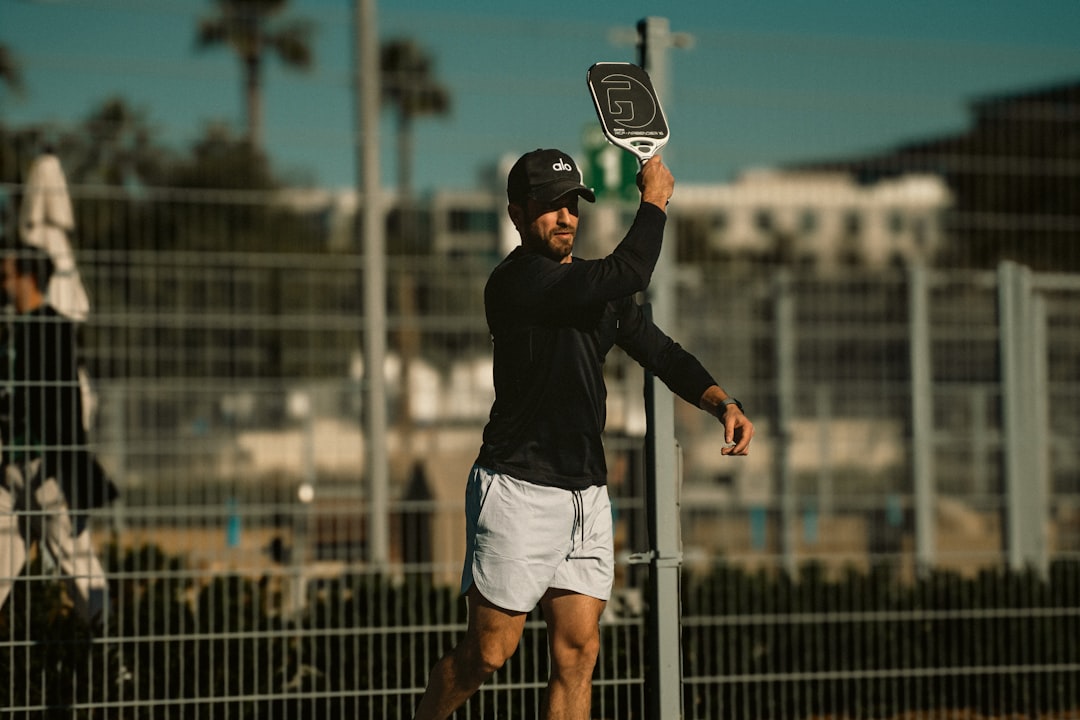
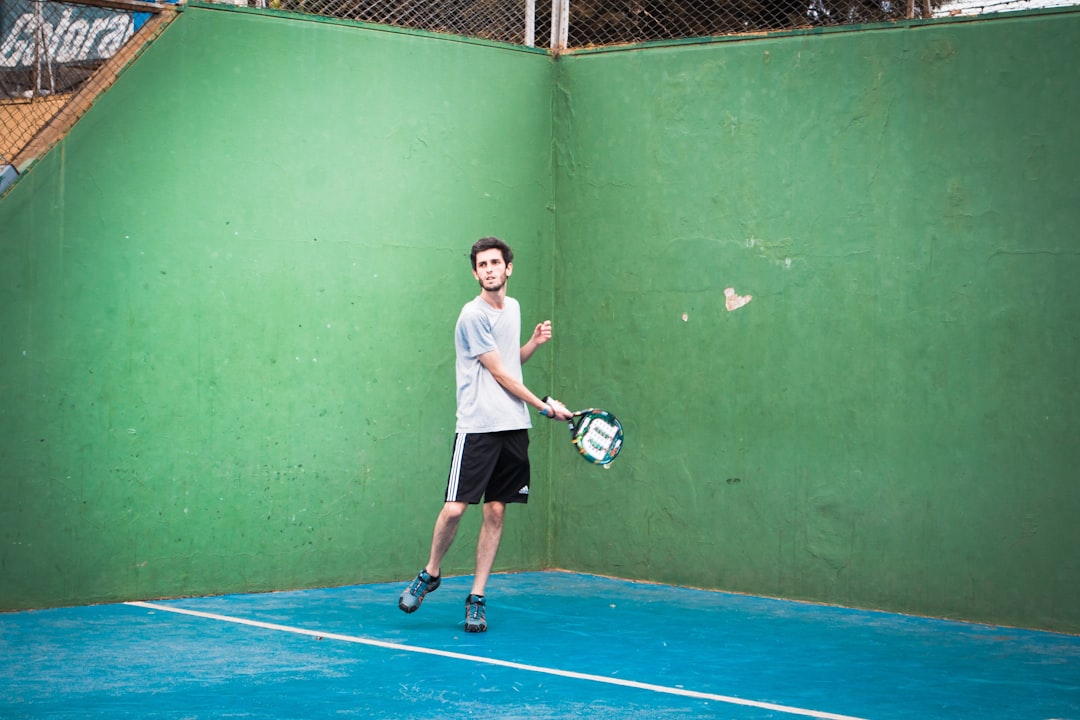
That being said, padel is a highly intense sport that requires rapid movements, quick reactions, and explosive power. Players need to be able to cover the court quickly, react to shots, and hit the ball with precision and control. The walls in padel also add an extra level of complexity, as players need to be able to play shots off the walls and use the angles to their advantage. In terms of caloric burn, padel can be just as effective as tennis, with players burning up to 600 calories per hour.
Technique and Strategy: The Key to Success in Padel and Tennis
Technique and strategy are essential components of both padel and tennis. In tennis, players need to master a range of shots, including topspin, slice, and volleys. They also need to develop a strong serve, which can be a major advantage in the sport. In padel, the technique is slightly different, with a focus on using the walls to your advantage and playing shots with precision and control. Players need to be able to hit shots with both forehand and backhand, as well as develop a strong lob and volley game.
In terms of strategy, both sports require a deep understanding of the game and the ability to adapt to different situations. In tennis, players need to be able to adjust their strategy based on their opponent’s strengths and weaknesses, as well as the conditions of the court. In padel, strategy is often more focused on teamwork and communication with your partner. Players need to be able to work together to outmaneuver their opponents and exploit their weaknesses.
Mental Toughness: The X-Factor in Padel and Tennis
Mental toughness is a critical component of both padel and tennis. Players need to be able to stay focused and composed under pressure, even when the stakes are high. In tennis, this means being able to handle the pressure of serving for the match or coming back from a tough loss. In padel, mental toughness is just as important, as players need to be able to stay calm and communicate effectively with their partner.
So, is padel moeilijker dan tennis? The answer ultimately depends on your individual strengths and weaknesses. If you’re a skilled tennis player with a strong technical foundation, you may find that padel is a more accessible and social sport. On the other hand, if you’re new to racket sports, you may find that padel is a more forgiving and easier to learn. Ultimately, both sports require a unique set of skills, techniques, and strategies, and the level of difficulty will depend on your individual experience and abilities.
In conclusion, the debate over whether padel is moeilijker dan tennis is a complex one. Both sports have their unique challenges and requirements, and the level of difficulty will depend on your individual strengths and weaknesses. Whether you’re a seasoned tennis player or a newcomer to padel, the most important thing is to have fun and enjoy the game. So, grab your racket or paddle, and get ready to experience the excitement and challenge of these two amazing sports. With practice, patience, and dedication, you’ll be well on your way to becoming a skilled player in either padel or tennis.


Laat een reactie achter