
Are you a tennis enthusiast considering switching to padel, or perhaps a padel player wondering how your skills would translate to the tennis court? The debate about which sport is more challenging has been ongoing, with proponents on both sides presenting compelling arguments. In this comprehensive guide, we’ll delve into the world of racket sports, exploring the similarities and differences between padel and tennis, and ultimately answering the question: is padel moeilijker dan tennis?
Introduction to Padel and Tennis: Understanding the Basics
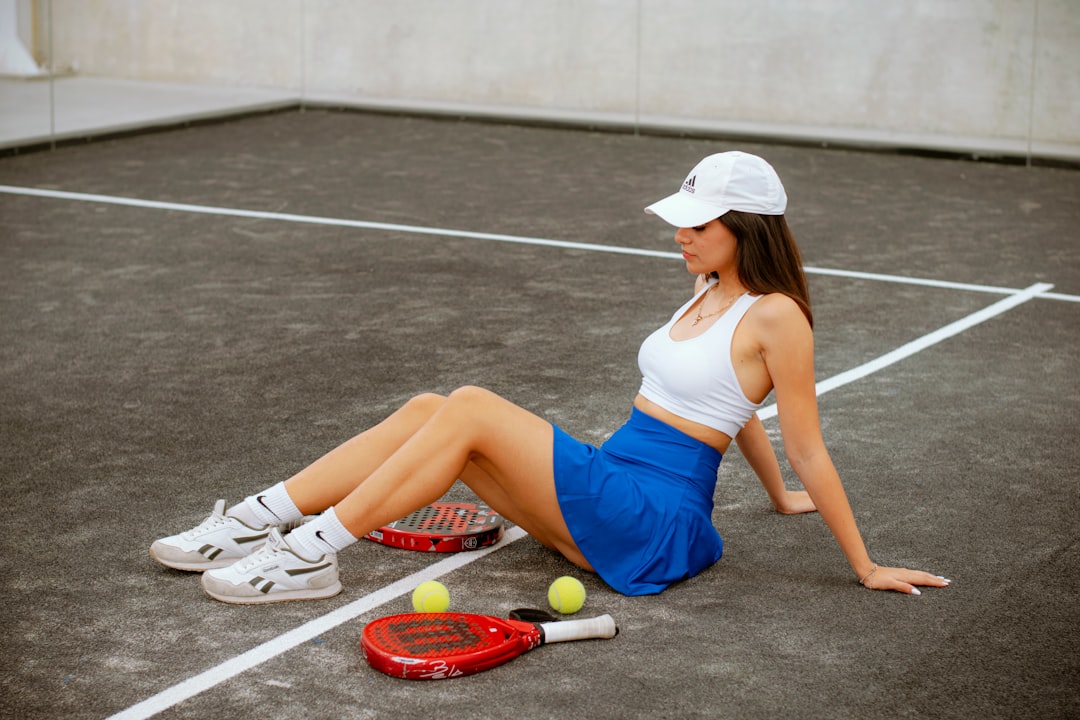
Before we dive into the comparison, it’s essential to understand the fundamental rules and objectives of both sports. Padel, a relatively new sport, originated in Mexico in the 1960s and has since gained popularity worldwide. It’s played on a smaller court with walls, using paddles and a lower-bouncing ball. The game is typically played in doubles, with an emphasis on strategy, communication, and quick reflexes. Tennis, on the other hand, is a more established sport, played on a larger court with rackets and a higher-bouncing ball. The game can be played in singles or doubles, requiring a unique blend of strength, endurance, and technique.
Key Differences Between Padel and Tennis: What Sets Them Apart
So, what makes padel and tennis distinct from one another? Let’s examine the key differences that might influence the level of difficulty:
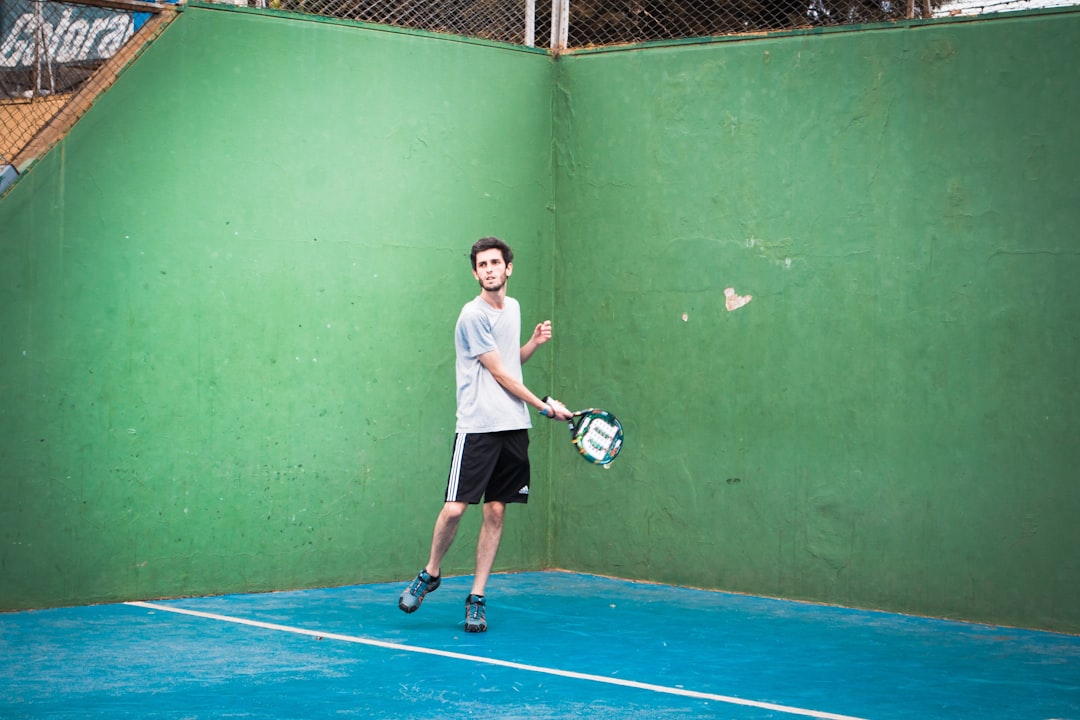
- Court size and walls: Padel courts are smaller, measuring 20×10 meters, with walls that allow players to use the glass and metal surrounds to their advantage. Tennis courts, by contrast, are larger, measuring 23.77×10.97 meters for singles and 23.77×12.8 meters for doubles. The absence of walls in tennis requires players to cover more ground and hit shots with greater precision.
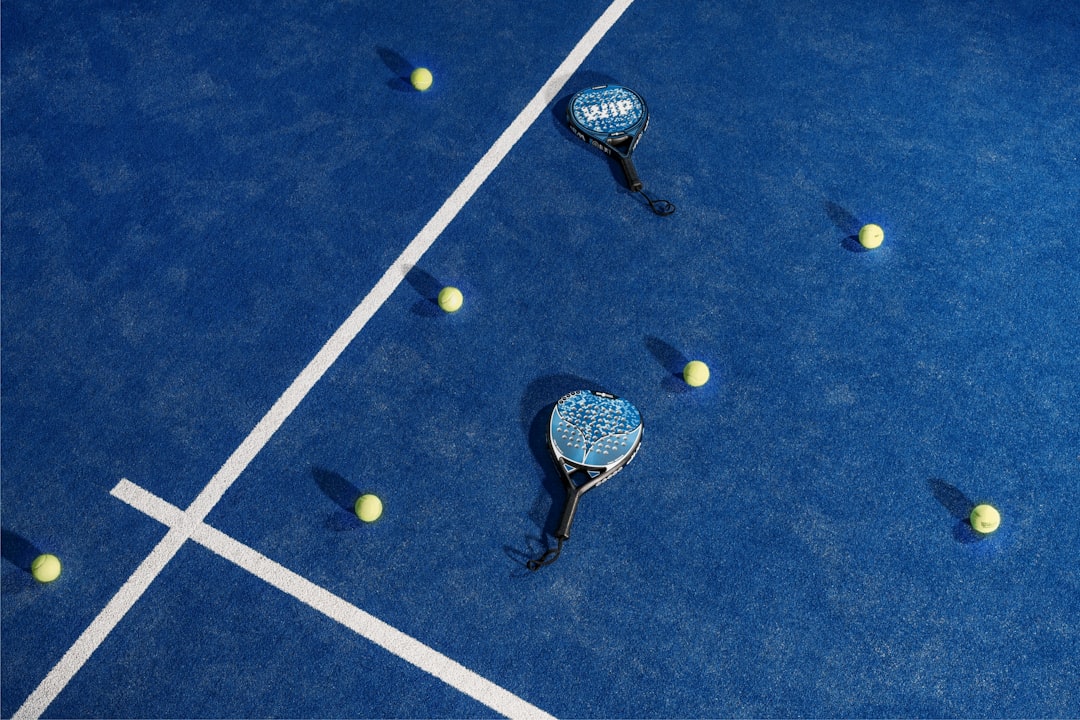
- Equipment: Padel players use paddles, which are smaller and more lightweight than tennis rackets. The ball used in padel is also lower-bouncing and made of plastic, whereas tennis balls are made of felt and have a higher bounce.
- Gameplay and strategy: Padel is often described as a more social and strategic game, with an emphasis on teamwork, communication, and clever shot placement. Tennis, while also strategic, places greater emphasis on individual skill, strength, and endurance.
- Scoring system: Padel uses a similar scoring system to tennis, but with some modifications. A padel match is typically best two out of three sets, with a set won by the team that first wins four games, provided they win by a margin of two games. If the score reaches 3-3, a tiebreaker is played.
- Padel to tennis: Focus on developing your serve, as the higher-bouncing ball and larger court require a more powerful and accurate serve. Practice your footwork, as the increased court size demands more agility and endurance. Don’t be afraid to experiment with different racket types and string tensions to find the perfect combination for your game.
- Tennis to padel: Work on your hand-eye coordination and reaction time, as the smaller court and lower-bouncing ball require quick reflexes and sharp instincts. Develop your strategic thinking, as padel’s emphasis on teamwork and communication demands a more tactical approach. Be prepared to adapt to the unique paddle and ball dynamics, and don’t be discouraged if it takes time to adjust to the new equipment.
Is Padel Moeilijker dan Tennis? A Closer Look at the Challenges
Now that we’ve explored the differences between padel and tennis, let’s address the question at hand: is padel moeilijker dan tennis? The answer, much like the sports themselves, is nuanced. Both padel and tennis present unique challenges that require distinct skill sets and strategies. Padel demands quick reflexes, sharp instincts, and exceptional teamwork, as players must work together to outmaneuver their opponents. The smaller court and lower-bouncing ball require a more compact, precise playing style, with an emphasis on strategy and finesse.
Tennis, on the other hand, is a more physically demanding sport, requiring a strong serve, powerful groundstrokes, and excellent endurance. The larger court and higher-bouncing ball mean that players must cover more ground, generate more power, and sustain a high level of intensity over a longer period. While tennis may be more physically challenging, padel’s unique demands and strategic complexities make it a formidable opponent for players of all levels.
Mastering the Transition: Tips for Padel Players Moving to Tennis and Vice Versa
If you’re a padel player considering transitioning to tennis, or a tennis player looking to try padel, here are some valuable tips to help you make the switch:
Conclusion: Embracing the Unique Challenges of Padel and Tennis
In conclusion, the question of whether padel is moeilijker dan tennis is ultimately a matter of personal perspective and playing style. Both sports offer unique challenges and rewards, and the transition from one to the other requires a willingness to adapt, learn, and grow. By understanding the fundamental differences between padel and tennis, and embracing the distinct demands of each sport, you’ll be better equipped to navigate the racket sports landscape and find your perfect match. Whether you’re a seasoned pro or an enthusiastic beginner, remember to stay curious, stay open-minded, and most importantly, have fun on the court!


Laat een reactie achter