
Are you a fan of racket sports, wondering which one to pick: padel or tennis? As the popularity of padel continues to soar, many enthusiasts are left questioning whether padel is more challenging than its traditional counterpart, tennis. In this article, we’ll delve into the world of padel and tennis, exploring the key differences, similarities, and what makes each sport unique. By the end of this post, you’ll have a clear understanding of which sport is more demanding and why.
Introduction to Padel and Tennis: Understanding the Basics
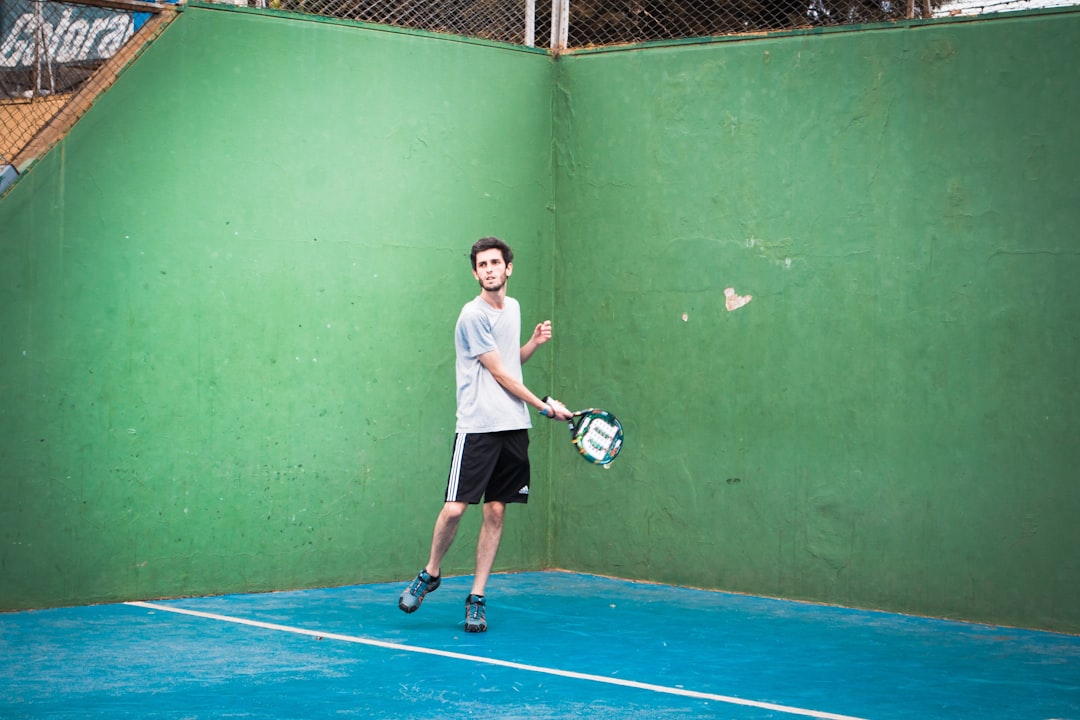
Before we dive into the complexities of each sport, let’s cover the basics. Padel, a relatively new sport, originated in Mexico in the 1960s and has since gained immense popularity worldwide. It’s played on a court with walls, using a solid paddle and a depressurized ball. The objective is to hit the ball in such a way that your opponent cannot return it. Tennis, on the other hand, is a more traditional sport that has been around for centuries. It’s played on a variety of surfaces, including grass, clay, and hard courts, using a racket and a pressurized ball.
In terms of rules and gameplay, both sports share some similarities. However, the main difference lies in the equipment, court size, and the use of walls in padel. Padel courts are smaller than tennis courts, and the walls surrounding the court can be used to bounce the ball, making it an exciting and dynamic sport. Tennis, with its larger court size and variety of surfaces, requires a different set of skills and strategies.
The Physical Demands of Padel and Tennis: Which Sport is More Physically Demanding?
When it comes to physical demands, both padel and tennis require a good level of fitness, agility, and endurance. However, the nature of each sport differs, making one more physically demanding than the other. Tennis, with its larger court size, requires quick movements, fast sprints, and rapid changes of direction. A tennis match can last for several hours, with players covering a significant amount of distance. In contrast, padel, with its smaller court size and the use of walls, requires more explosive movements, quick reactions, and sharp turns.
According to a study published in the Journal of Sports Science and Medicine, padel players can burn up to 600 calories per hour, while tennis players can burn up to 800 calories per hour. However, the intensity and duration of a padel match are typically shorter than a tennis match, lasting around 60-90 minutes. In terms of physical demands, tennis seems to be more physically demanding, requiring a higher level of cardiovascular fitness, muscular endurance, and flexibility.
The Technical Challenges of Padel and Tennis: Which Sport is More Technically Demanding?
From a technical perspective, both padel and tennis require a high level of skill and strategy. However, the nature of each sport differs, making one more technically demanding than the other. Tennis, with its variety of surfaces and larger court size, requires a more nuanced understanding of the game, including spin, pace, and trajectory. Tennis players need to develop a range of shots, including forehands, backhands, volleys, and serves, each with its unique technique and execution.
Padel, on the other hand, is a more straightforward sport, with a focus on powerful and precise shots. Padel players need to develop a strong sense of hand-eye coordination, reaction time, and spatial awareness, as the ball can bounce off the walls and change direction quickly. According to a study published in the International Journal of Sports Science and Coaching, padel players need to react faster and make quicker decisions than tennis players, as the ball is in play for a shorter amount of time.
The Mental Challenges of Padel and Tennis: Which Sport is More Mentally Demanding?
From a mental perspective, both padel and tennis require a high level of focus, concentration, and emotional control. However, the nature of each sport differs, making one more mentally demanding than the other. Tennis, with its individual format and high-pressure situations, can be mentally draining, requiring players to manage their emotions, stay focused, and overcome adversity. Tennis players need to develop a strong sense of self-discipline, resilience, and mental toughness, as a single mistake can cost them the match.
Padel, on the other hand, is a more social sport, played in doubles, which can provide a sense of camaraderie and shared responsibility. Padel players need to develop strong communication skills, trust, and teamwork, as they work together to outmaneuver their opponents. According to a study published in the Journal of Sports Psychology, padel players experience lower levels of stress and anxiety compared to tennis players, as the team format can provide a sense of support and shared pressure.
Conclusion: Is Padel Moeilijker Dan Tennis?
So, is padel more challenging than tennis? The answer is not a simple one. While both sports have their unique demands and challenges, tennis seems to be more physically and technically demanding, requiring a higher level of cardiovascular fitness, muscular endurance, and technical skill. Padel, on the other hand, is a more explosive and dynamic sport, requiring quick reactions, sharp turns, and powerful shots. From a mental perspective, tennis can be more demanding, requiring players to manage their emotions, stay focused, and overcome adversity.
Ultimately, the choice between padel and tennis comes down to personal preference, skill level, and goals. If you’re looking for a more social, dynamic, and fast-paced sport, padel may be the better choice. If you’re looking for a more traditional, technically demanding, and physically challenging sport, tennis may be the way to go. Whichever sport you choose, remember to stay focused, work on your skills, and most importantly, have fun. With practice, patience, and dedication, you’ll be well on your way to becoming a proficient padel or tennis player, and enjoying the many benefits that these sports have to offer.


Laat een reactie achter