
Are you a tennis enthusiast considering switching to padel, or perhaps a beginner looking to choose between the two racket sports? If so, you’re likely wondering: is padel moeilijker dan tennis? The answer is not a simple yes or no, as both sports have their unique challenges and requirements. In this comprehensive guide, we’ll delve into the world of padel and tennis, exploring the differences, similarities, and what makes each sport more or less difficult than the other.
Introduction to Padel and Tennis: Understanding the Basics
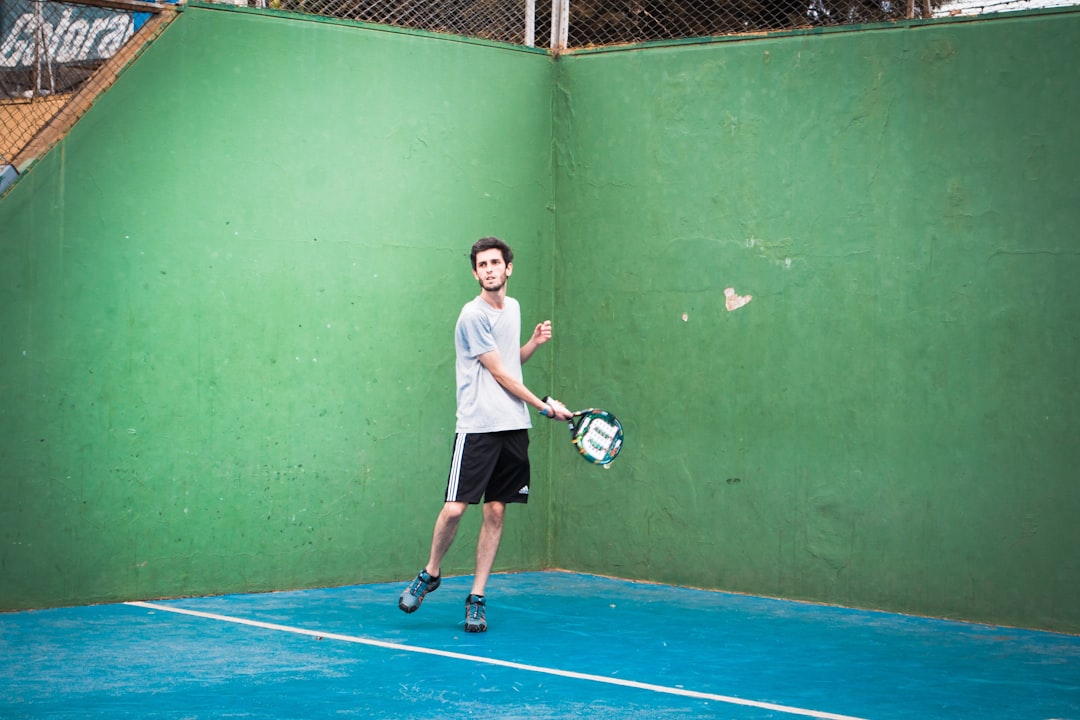
Before we dive into the complexities of each sport, let’s start with the basics. Padel, a relatively new sport, originated in Mexico in the 1960s and has since gained popularity worldwide. It’s played on a court with walls, using a solid paddle and a plastic ball with holes. The game is typically played in doubles, with an emphasis on strategy, communication, and teamwork. Tennis, on the other hand, is a more traditional sport, played on a variety of surfaces, including grass, clay, and hard courts. It can be played in singles or doubles, with a focus on individual technique, strength, and endurance.
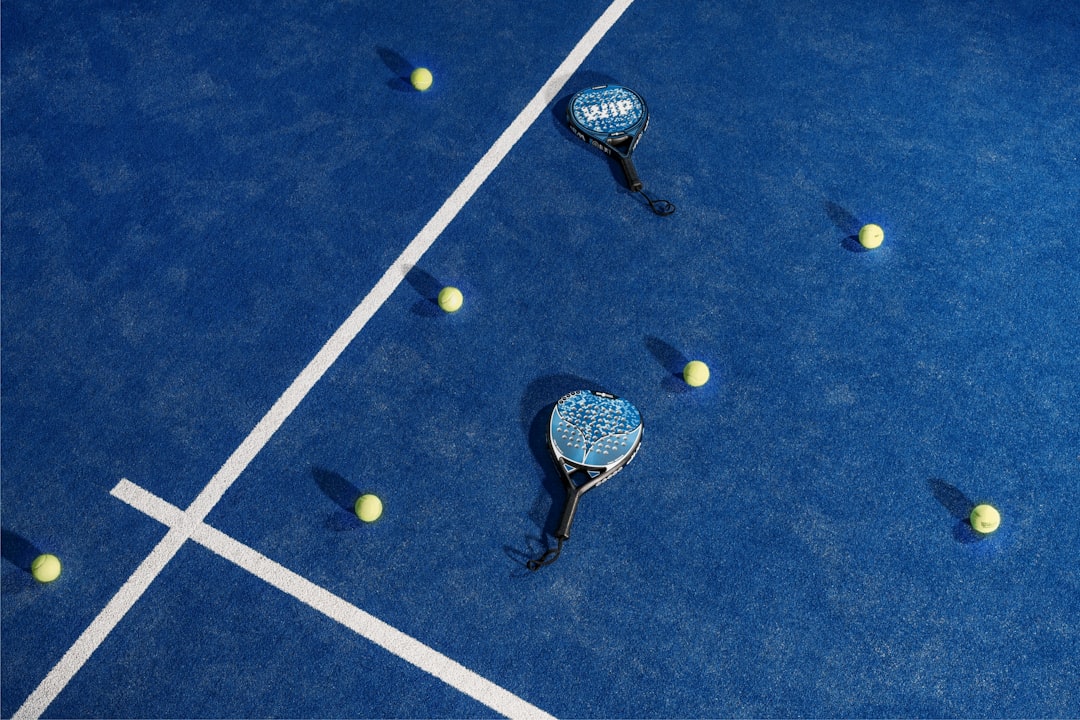
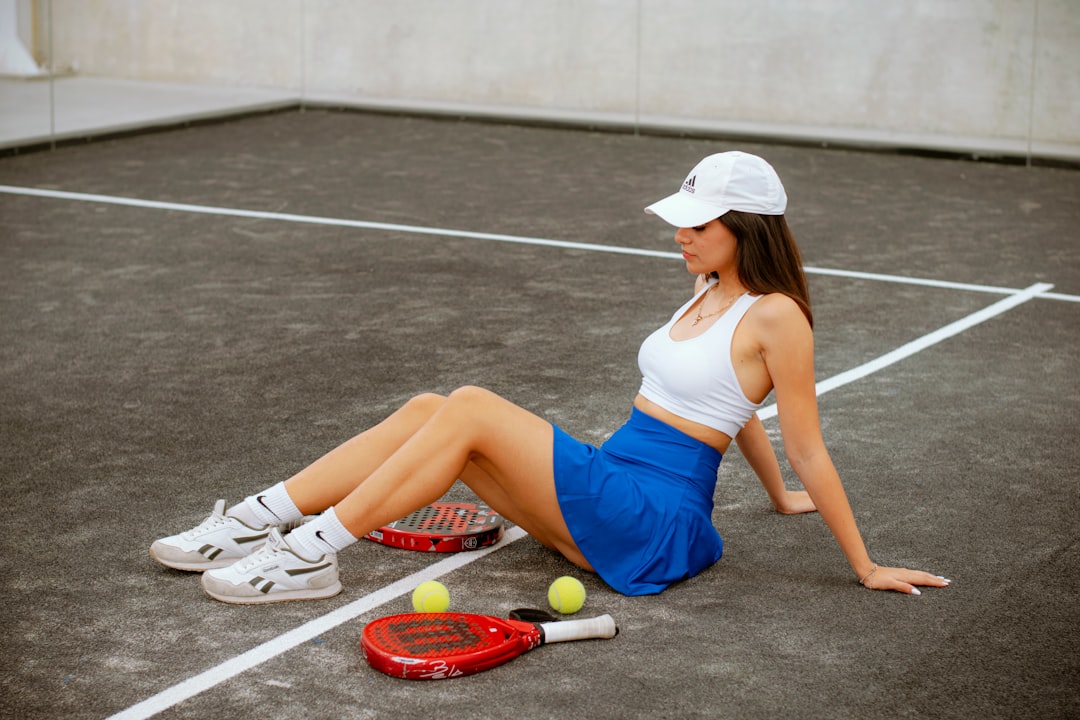
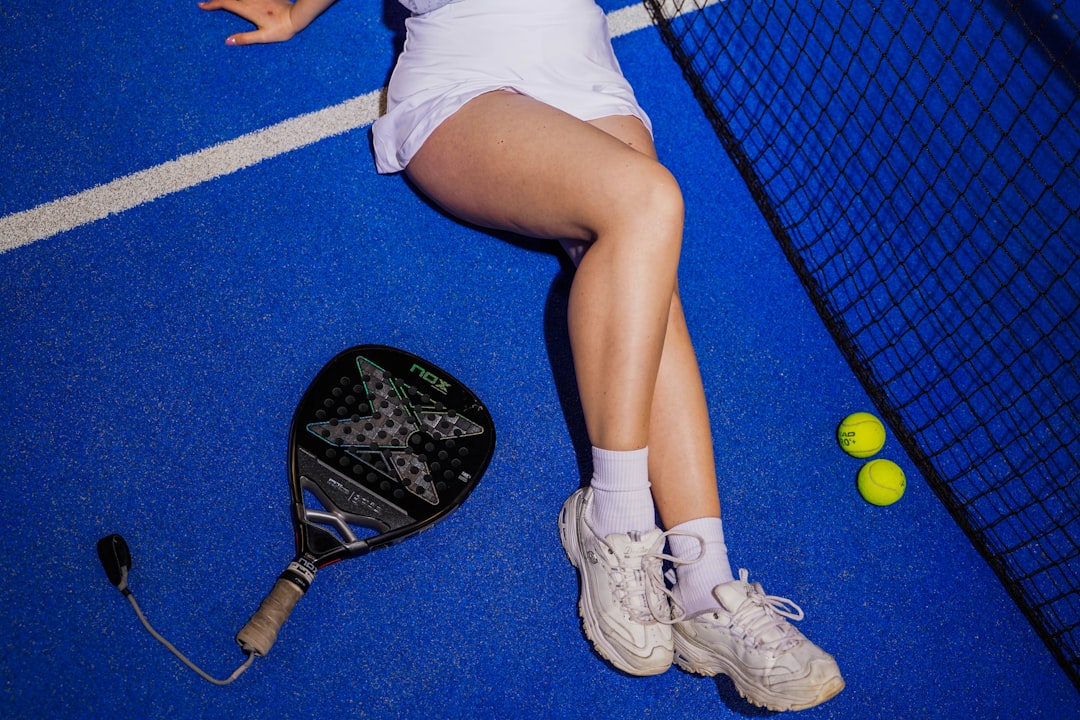
When comparing the two sports, it’s essential to consider the equipment, court size, and rules. Padel courts are smaller than tennis courts, with a size of 20×10 meters, compared to tennis courts, which measure 23.77×10.97 meters for singles and 23.77×12.8 meters for doubles. The paddle used in padel is also smaller and more compact than a tennis racket, with a perforated surface that allows for more control and spin. These differences significantly impact the gameplay and the level of difficulty.
Physical Demands and Techniques: What Sets Padel and Tennis Apart
One of the primary factors that determine the difficulty of a sport is the physical demands it places on the player. Both padel and tennis require a good level of fitness, agility, and hand-eye coordination. However, tennis is generally considered a more physically demanding sport, especially when played at high levels. The faster-paced gameplay, longer rallies, and more extensive court coverage in tennis mean that players need to be in top physical condition to compete effectively.
In contrast, padel is often described as a more social and accessible sport, with a lower barrier to entry. The smaller court size and the use of a paddle with holes reduce the speed and bounce of the ball, making it easier for beginners to control and hit shots. Additionally, the walls surrounding the padel court allow for more strategic play and the ability to use the walls to your advantage, which can be both a blessing and a curse. While the physical demands of padel are lower, the strategic and technical aspects of the game can be just as challenging as those in tennis.
Strategy and Mental Toughness: The X-Factors in Padel and Tennis
Beyond the physical aspects, strategy and mental toughness play a significant role in determining the difficulty of a sport. In tennis, the emphasis is on individual strength, technique, and endurance, which can make it a more mentally demanding sport. Players need to develop a strong mental game to cope with the pressure of competing alone and to make tactical decisions quickly during matches.
Padel, on the other hand, is often played in doubles, which introduces a new dynamic to the game. The need for communication, coordination, and teamwork adds a layer of complexity to the sport. Players must be able to work together seamlessly, anticipating each other’s moves and strategizing to outmaneuver their opponents. This aspect of padel can be both more enjoyable and more challenging, as it requires a high level of social interaction and tactical awareness.
Conclusion: Is Padel Moeilijker dan Tennis?
So, is padel moeilijker dan tennis? The answer depends on your individual perspective, experience, and preferences. While tennis is generally considered a more physically demanding sport, padel offers its unique set of challenges, particularly in terms of strategy, teamwork, and adaptability. Both sports require a combination of technical skill, physical fitness, and mental toughness, making them equally rewarding and demanding in their own ways.
If you’re a beginner looking to choose between padel and tennis, consider your personal strengths, interests, and goals. If you enjoy the social aspect of sports and are looking for a more accessible, strategic game, padel might be the perfect choice. On the other hand, if you’re drawn to the individual challenge and physical demands of tennis, you may find that it suits your needs better.
Ultimately, the decision to play padel or tennis comes down to your personal preferences and what you’re looking for in a sport. Both options offer a fun, engaging, and rewarding experience, with opportunities to improve your skills, challenge yourself, and connect with like-minded players. So, grab a racket or paddle, and get ready to discover the exciting world of racket sports!

Laat een reactie achter