
Are you a tennis enthusiast considering switching to padel, or perhaps a padel enthusiast wondering how your skills will translate to the tennis court? The age-old debate about which sport is more challenging has sparked intense discussions among racket sports enthusiasts. In this article, we’ll delve into the world of padel and tennis, exploring the similarities and differences between these two popular sports. By the end of this post, you’ll have a better understanding of whether padel is indeed moeilijker (more difficult) than tennis.
Introduction to Padel and Tennis: Understanding the Basics
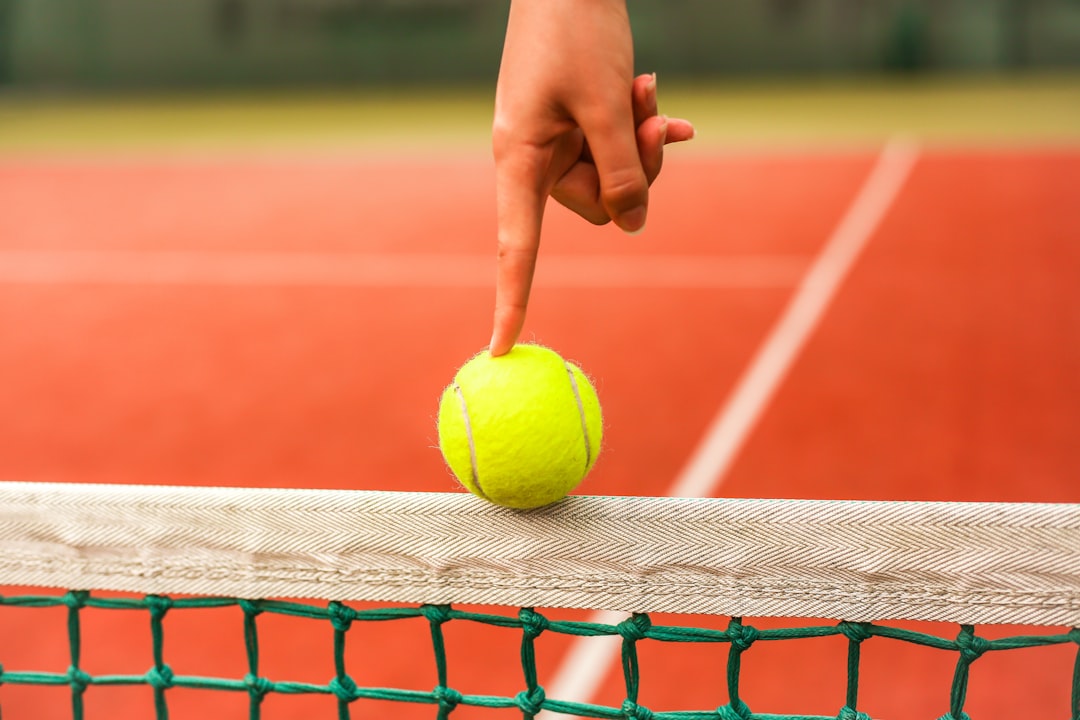
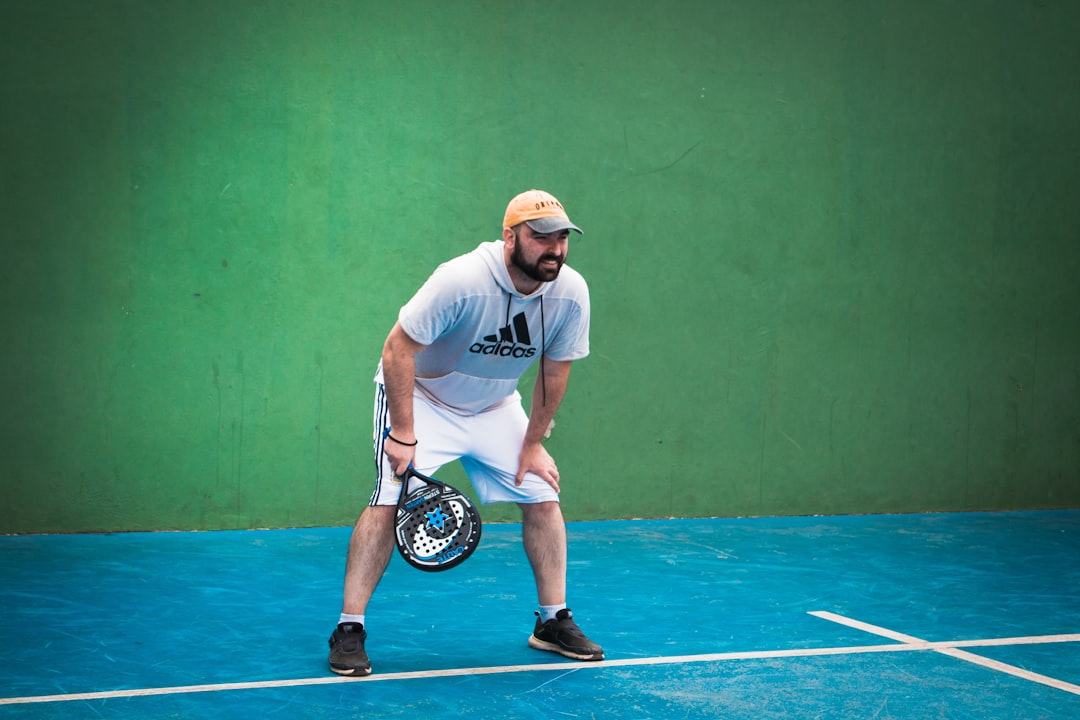
Before we dive into the nitty-gritty of which sport is more challenging, let’s cover the basics. Padel and tennis are both racket sports that involve hitting a ball over a net. However, there are some key differences in terms of equipment, court size, and gameplay. Padel is played on a smaller court with walls, using a solid paddle and a plastic ball with holes. Tennis, on the other hand, is played on a larger court without walls, using a strung racket and a pressurized ball. These differences significantly impact the gameplay and required skills.
In terms of popularity, tennis has been a well-established sport for centuries, with a massive global following and a wide range of professional tournaments. Padel, while still a relatively new sport, has been gaining popularity rapidly, especially in Europe and Latin America. As the sport continues to grow, more and more players are wondering whether padel is moeilijker dan tennis. To answer this question, we need to examine the technical and physical demands of each sport.
Technical Demands: Comparing Padel and Tennis
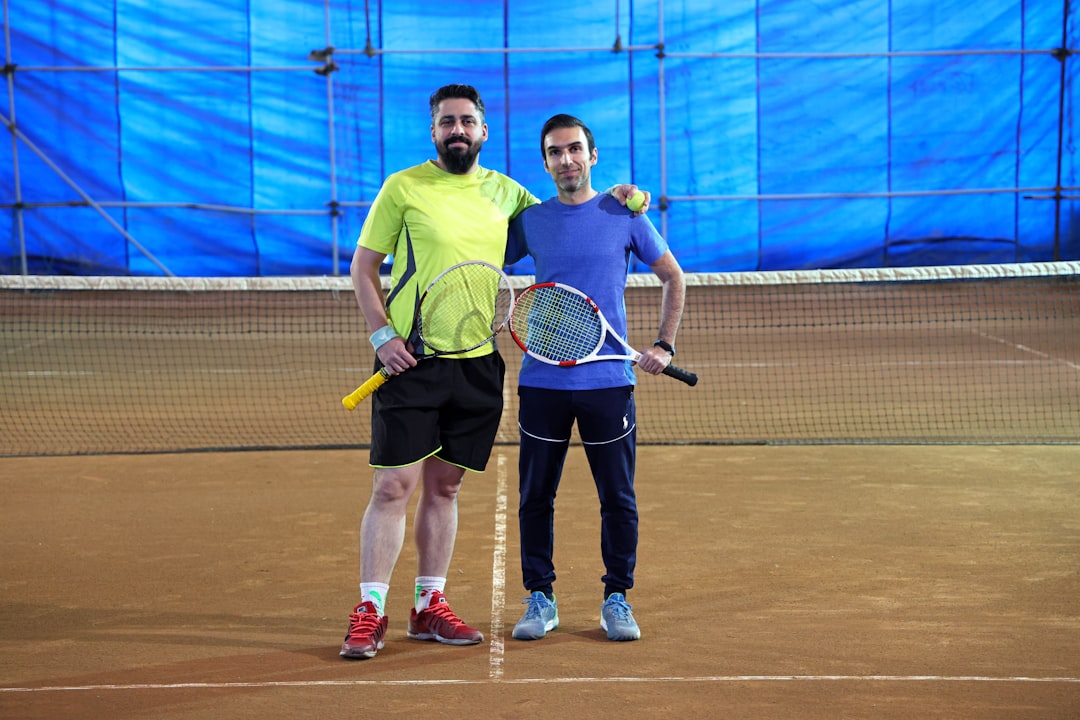
When it comes to technical demands, both padel and tennis require a high level of hand-eye coordination, agility, and racket control. However, the type of shots and gameplay strategies differ significantly between the two sports. In tennis, players need to master a wide range of shots, including forehand, backhand, serve, and volley. The sport also requires a high level of endurance, as players often need to cover large distances during a match.
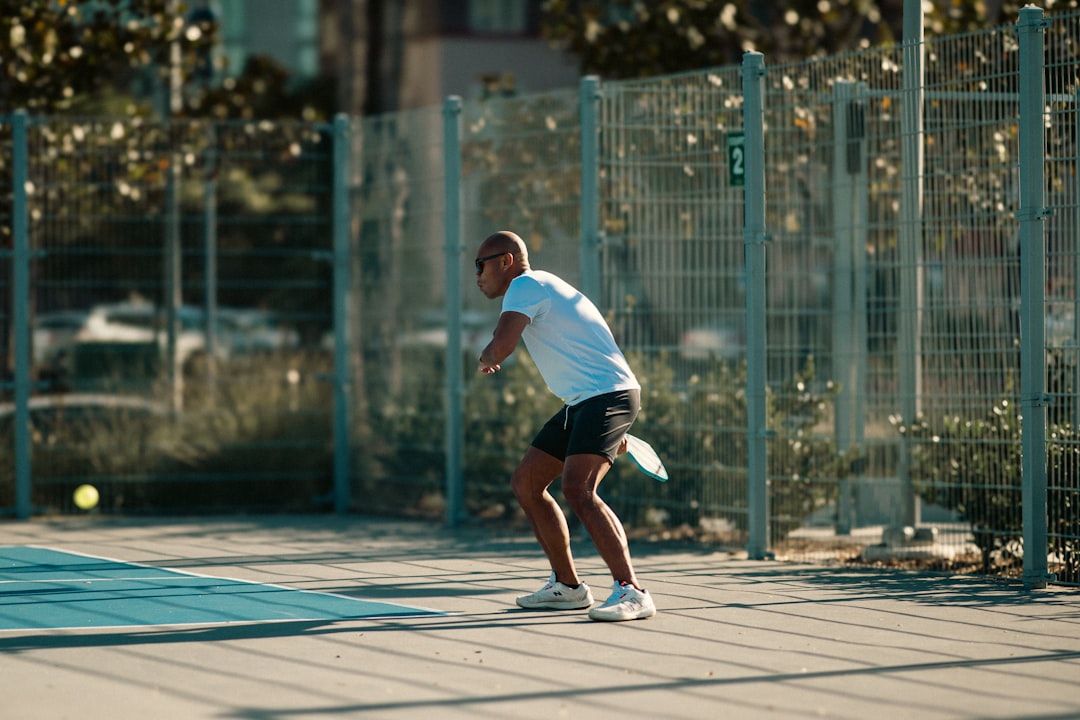
Padel, on the other hand, is a more compact sport, with a greater emphasis on strategy and teamwork. Players need to work together to outmaneuver their opponents, using the walls to their advantage. The sport requires quick reflexes, sharp instincts, and precise paddle control. While the technical demands of padel may be different from those of tennis, they are by no means less challenging.
In fact, many tennis players who switch to padel find that the sport requires a unique set of skills, including the ability to read the ball’s trajectory and use the walls to their advantage. This can be a challenging adjustment, especially for players who are used to the faster-paced and more individualistic nature of tennis.
Physical Demands: Comparing Padel and Tennis
In terms of physical demands, both padel and tennis are high-intensity sports that require a good level of cardiovascular fitness, strength, and agility. However, the physical demands of padel are often more compact and intense, with shorter bursts of energy required to cover the smaller court. Tennis, on the other hand, requires a higher level of endurance, as players need to sustain a high level of intensity over a longer period.
That being said, padel can be a more physically demanding sport in terms of quick changes of direction and rapid movements. The sport requires a high level of agility, flexibility, and reaction time, as players need to respond quickly to the ball’s trajectory and their opponents’ movements.
Mental Demands: The Psychological Aspect of Padel and Tennis
While the technical and physical demands of padel and tennis are significant, the mental aspect of the sport should not be underestimated. Both sports require a high level of focus, concentration, and mental toughness, as players need to stay motivated and composed under pressure.
In padel, the mental demands are often more pronounced, as players need to work together as a team and communicate effectively with their partner. The sport requires a high level of strategic thinking, as players need to outmaneuver their opponents and anticipate their movements.
In tennis, the mental demands are often more individualistic, as players need to stay focused and motivated over a longer period. The sport requires a high level of emotional control, as players need to manage their emotions and stay composed under pressure.
Conclusion: Is Padel Moeilijker dan Tennis?
So, is padel moeilijker dan tennis? The answer ultimately depends on your individual skills, experience, and preferences. While both sports have their unique challenges and demands, padel can be a more technically and physically demanding sport in certain aspects. The sport requires a high level of hand-eye coordination, agility, and strategic thinking, as well as quick reflexes and precise paddle control.
However, tennis has its own set of challenges, including the need to master a wide range of shots, cover large distances, and sustain a high level of intensity over a longer period. Ultimately, whether padel is moeilijker dan tennis is a matter of personal opinion and depends on your individual strengths and weaknesses.
If you’re a tennis enthusiast considering switching to padel, don’t be discouraged if you find the sport more challenging at first. With practice and patience, you can develop the skills and strategies needed to excel in padel. And if you’re a padel enthusiast wondering how your skills will translate to the tennis court, don’t worry – your experience in padel can provide a solid foundation for learning tennis.
In conclusion, the debate about whether padel is moeilijker dan tennis is a complex one, with no clear-cut answer. Both sports have their unique challenges and demands, and the key to success lies in understanding and mastering these demands. Whether you prefer the fast-paced and strategic nature of padel or the individualistic and endurance-based nature of tennis, one thing is clear – both sports offer a fun and rewarding experience for players of all levels. So why not give both sports a try and decide for yourself which one is more challenging? Your racket – and your body – will thank you.

Laat een reactie achter