
Are you a tennis enthusiast considering making the switch to padel, or perhaps a padel player wondering how your skills will translate to the tennis court? The debate about whether padel is harder than tennis has been ongoing, with proponents on both sides presenting compelling arguments. In this comprehensive guide, we’ll delve into the world of racket sports, exploring the similarities and differences between padel and tennis, and ultimately helping you decide which one is more challenging.
Introduction to Padel and Tennis: Understanding the Basics
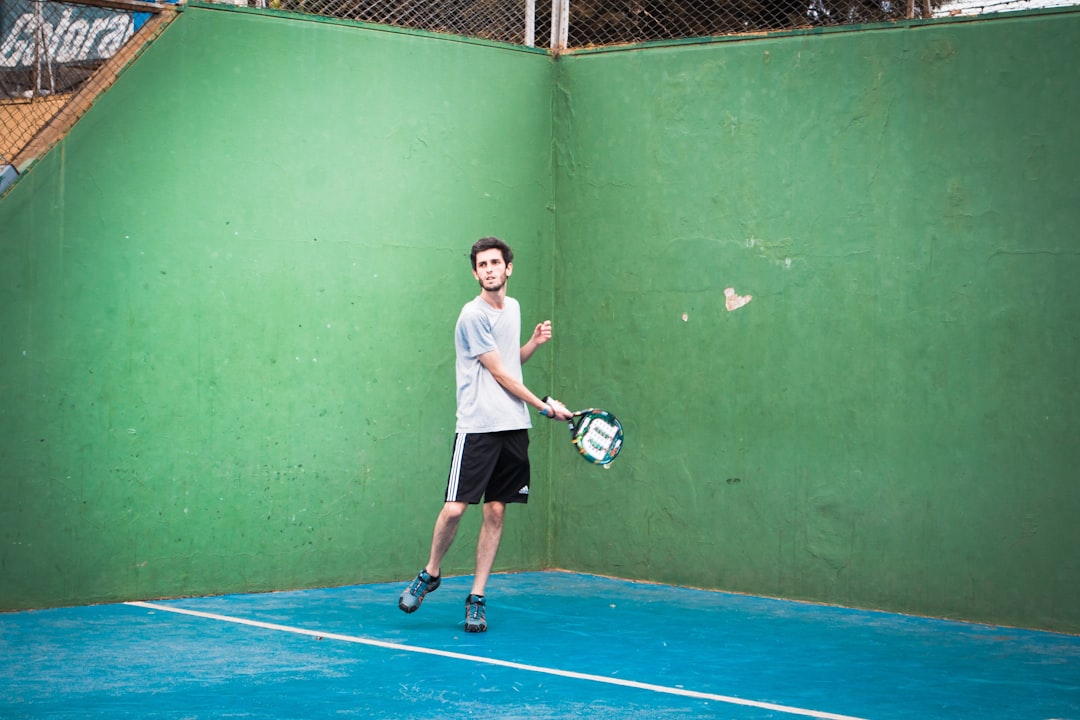
Before we dive into the nitty-gritty of which sport is more difficult, it’s essential to understand the fundamentals of both padel and tennis. Padel, a racquet sport originating from Mexico, is played on a smaller court with walls, using a solid paddle and a low-compression ball. The game is typically played in doubles, emphasizing strategy, communication, and quick reflexes. Tennis, on the other hand, is a more individualized sport, played on a larger court with a higher-bouncing ball, requiring a combination of strength, agility, and endurance.
While both sports share some similarities, the rules, equipment, and court dimensions differ significantly. Padel is often described as a more social and accessible sport, with a lower barrier to entry, whereas tennis is often seen as a more demanding and competitive activity. However, this doesn’t necessarily mean that padel is easier than tennis. In fact, the unique characteristics of padel, such as the smaller court and the use of walls, can make it a more challenging and tactical sport in its own right.
The Physical Demands of Padel and Tennis: A Comparison
One of the primary factors to consider when evaluating the difficulty of a sport is the physical demands it places on the player. Both padel and tennis require a good level of fitness, but the specific physical demands differ between the two sports. Tennis, for example, is a high-intensity sport that requires quick bursts of speed, agility, and endurance. Players need to cover a large court, hitting shots with precision and power, while also recovering quickly between points.
Padel, on the other hand, is a more compact sport, with a smaller court and a lower-bouncing ball. While the physical demands are still significant, the emphasis is more on quick reactions, hand-eye coordination, and strategic movement. Padel players need to be able to rapidly change direction, hit shots with precision, and work in tandem with their partner to outmaneuver their opponents. In terms of physical demands, padel can be seen as a more condensed version of tennis, with shorter rallies and a greater emphasis on strategy and teamwork.
The Technical and Tactical Aspects of Padel and Tennis
In addition to the physical demands, the technical and tactical aspects of padel and tennis also play a significant role in determining the difficulty of each sport. Tennis is a highly technical sport, requiring players to master a range of shots, including forehands, backhands, serves, and volleys. The sport also places a strong emphasis on strategy, with players needing to adapt to different opponents, surfaces, and conditions.
Padel, while also requiring technical skill, places a greater emphasis on tactical play. The smaller court and the use of walls mean that players need to be highly strategic in their shot selection, using the walls to their advantage and working in tandem with their partner to outmaneuver their opponents. Padel players need to be able to read the game, anticipate their opponents’ moves, and make quick decisions to execute effective shots. In terms of technical difficulty, tennis may have a slight edge, but the tactical demands of padel make it a more challenging sport in its own right.
The Mental and Emotional Aspects of Padel and Tennis
Finally, it’s essential to consider the mental and emotional aspects of both padel and tennis. Both sports require a high level of focus, concentration, and mental toughness, with players needing to manage their emotions, stay motivated, and perform under pressure. Tennis, with its individualized format, can be a highly intense and demanding sport, with players often facing intense scrutiny and pressure to perform.
Padel, on the other hand, is often seen as a more social and relaxed sport, with a greater emphasis on teamwork and camaraderie. While the mental and emotional demands are still significant, the team format can provide a sense of support and shared responsibility, making it easier for players to manage their emotions and stay motivated. However, the tactical nature of padel can also create a high level of mental intensity, with players needing to stay focused and adapt quickly to changing circumstances.
Conclusion: Is Padel Moeilijker dan Tennis?
So, is padel harder than tennis? The answer ultimately depends on your individual perspective and priorities. While tennis may be more physically demanding and technically challenging, padel presents its own unique set of difficulties, from the tactical demands of the game to the need for quick reactions and strategic movement. Ultimately, both sports offer a unique and rewarding experience, with the potential to improve your physical fitness, technical skills, and mental toughness.
Whether you’re a seasoned tennis player looking to try something new or a padel enthusiast wondering how your skills will translate to the tennis court, the most important thing is to find a sport that you enjoy and that challenges you in a way that feels rewarding. So, grab your racket, head to the court, and experience the thrill of padel and tennis for yourself. With practice, patience, and dedication, you’ll be well on your way to mastering the sport of your choice and enjoying the many benefits that come with it.

Laat een reactie achter