
Are you ready to serve up a new challenge on the court? If you’re a tennis enthusiast considering switching to padel or vice versa, you’re probably wondering: is padel moeilijker dan tennis? The answer lies in the unique characteristics of each sport, and understanding these differences is crucial to determining which one suits your skills and preferences. In this comprehensive guide, we’ll delve into the world of racket sports, exploring the techniques, strategies, and physical demands of both padel and tennis. By the end of this article, you’ll be equipped with the knowledge to decide which sport is right for you and how to improve your game.
Wat is Padel en Hoe Verschilt het van Tennis?
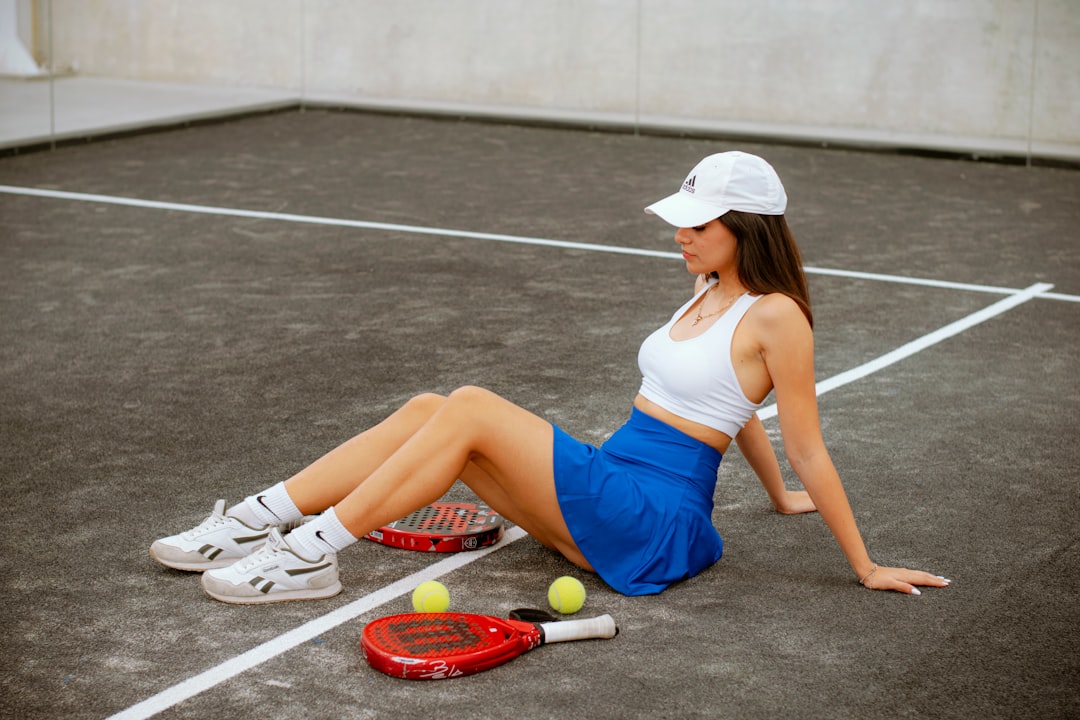
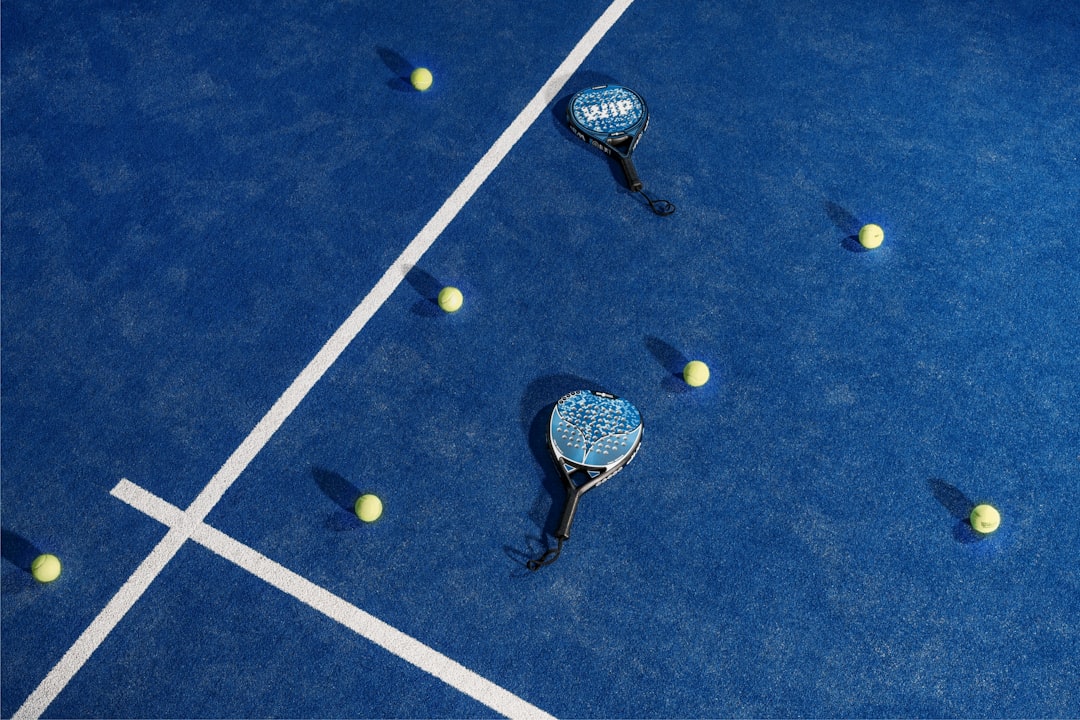
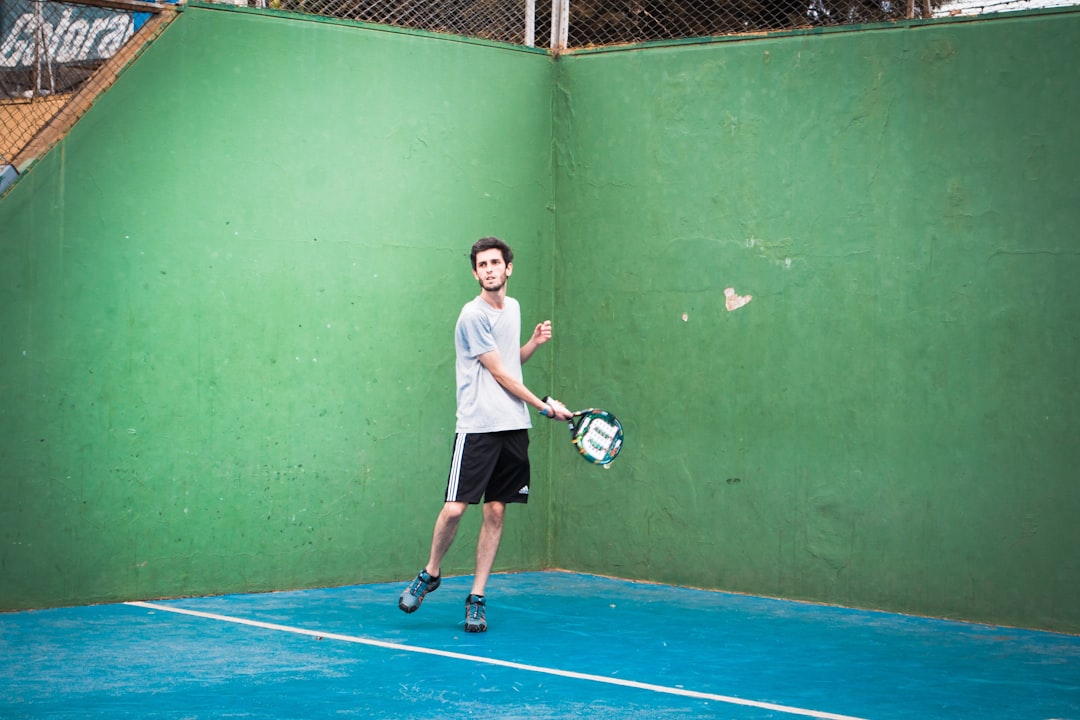
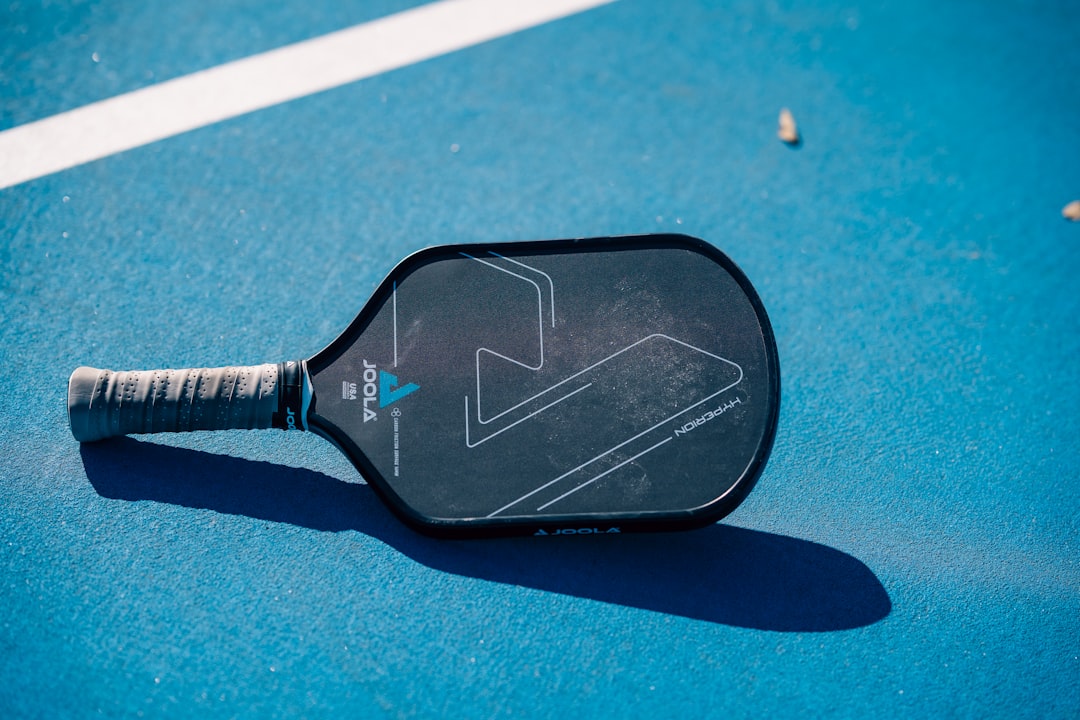
Padel is a rapidly growing sport that originated in Mexico in the 1960s. It’s played on a court with walls, similar to squash, but with a lower net and a unique set of rules. Padel is typically played in doubles, with an emphasis on strategy and teamwork. The paddle used in padel is made of lightweight materials and has holes to reduce wind resistance, allowing for more control over the ball. In contrast, tennis is a more individualized sport, with a larger court and a higher net. The rackets used in tennis are also more rigid and have a larger sweet spot, resulting in more powerful shots.
One of the primary differences between padel and tennis is the pace of the game. Padel is generally faster-paced, with an emphasis on quick reflexes and sharp angles. The ball used in padel is also less pressurized than a tennis ball, resulting in a slower bounce and more time to react. In tennis, the ball is pressurized, leading to faster bounces and a greater emphasis on raw power and endurance. Understanding these fundamental differences is essential to adapting your technique and strategy to the sport you choose.
Fysieke Eisen en Techniek
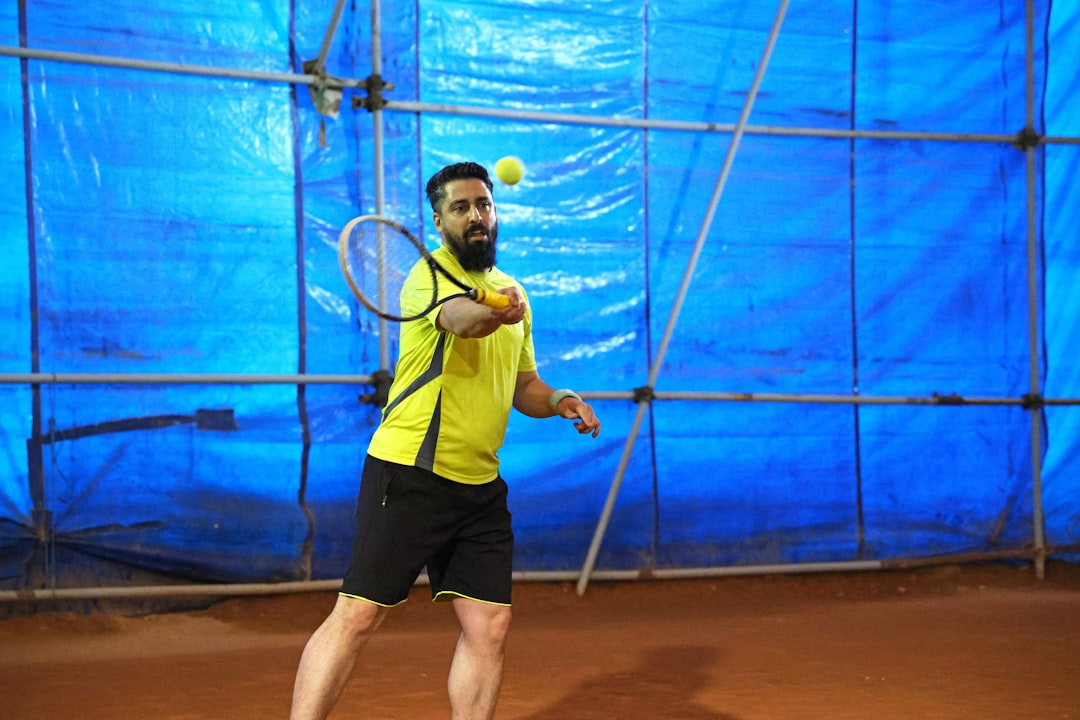
When it comes to physical demands, both padel and tennis require a high level of fitness, agility, and coordination. However, the specific requirements differ between the two sports. Padel players need to be quick and agile, with fast reaction times and the ability to change direction rapidly. The game also demands strong core muscles and good hand-eye coordination to control the paddle and track the ball. In tennis, players require more endurance and stamina, as matches can last for hours and involve extensive running and sprinting.
From a technical standpoint, padel and tennis share some similarities, but there are also distinct differences. In padel, the emphasis is on control and precision, with players using a variety of shots, including volleys, lobs, and smashes. The paddle’s unique design allows for a high level of spin and control, making it ideal for players who enjoy strategic gameplay. In tennis, the focus is on power and speed, with players using their rackets to generate massive amounts of force and spin. The techniques used in tennis, such as the serve and forehand, require a high level of strength, timing, and coordination.
Strategie en Teamwork
One of the most significant advantages of padel is the emphasis on strategy and teamwork. Played in doubles, padel requires communication, coordination, and a deep understanding of your partner’s strengths and weaknesses. Players must work together to outmaneuver their opponents, using a combination of shots and tactics to outscore them. In tennis, while strategy is still important, the focus is more on individual skill and technique. Singles players must rely on their own abilities to outmaneuver their opponents, while doubles teams require a high level of coordination and communication to succeed.
The strategic aspects of padel make it an attractive option for players who enjoy the social and tactical aspects of the game. The sport encourages players to think critically and work together, making it an excellent choice for those who value teamwork and camaraderie. In contrast, tennis is often seen as a more individualized sport, with a focus on personal achievement and competition. While both sports offer a unique set of challenges and rewards, understanding the strategic and social aspects of each is crucial to determining which one aligns with your preferences and goals.
Conclusie en Belangrijkste Inzichten
So, is padel moeilijker dan tennis? The answer ultimately depends on your individual skills, preferences, and goals. Both sports offer a unique set of challenges and rewards, and understanding the differences between them is crucial to improving your game and choosing the right sport for you. Whether you’re a seasoned tennis player looking for a new challenge or a beginner interested in trying padel, the key to success lies in mastering the techniques, strategies, and physical demands of your chosen sport.
In conclusion, the main takeaways from this article are:
- Padel and tennis are two distinct sports with unique characteristics, techniques, and strategies.
- Padel is generally faster-paced, with an emphasis on control, precision, and teamwork.
- Tennis is more individualized, with a focus on power, speed, and endurance.
- Understanding the physical demands, technical requirements, and strategic aspects of each sport is crucial to improving your game and choosing the right sport for you.
- Both padel and tennis offer a range of benefits, including improved fitness, social connections, and mental challenge, making them excellent choices for players of all levels and backgrounds.
By embracing the unique aspects of each sport and adapting your technique and strategy accordingly, you’ll be well on your way to becoming a skilled and confident player. So why not give padel or tennis a try? With the right mindset, training, and equipment, you’ll be serving up aces and smashing your way to victory in no time.


Laat een reactie achter