

Are you a tennis enthusiast considering switching to padel, or perhaps a newcomer to the world of racket sports wondering which one to pick? The debate about whether padel is harder than tennis has been a topic of discussion among sports enthusiasts, and it’s time to settle the score. In this article, we’ll delve into the world of padel and tennis, exploring their similarities and differences, and providing you with valuable insights to help you decide which sport is right for you.
Introduction to Padel and Tennis: Understanding the Basics
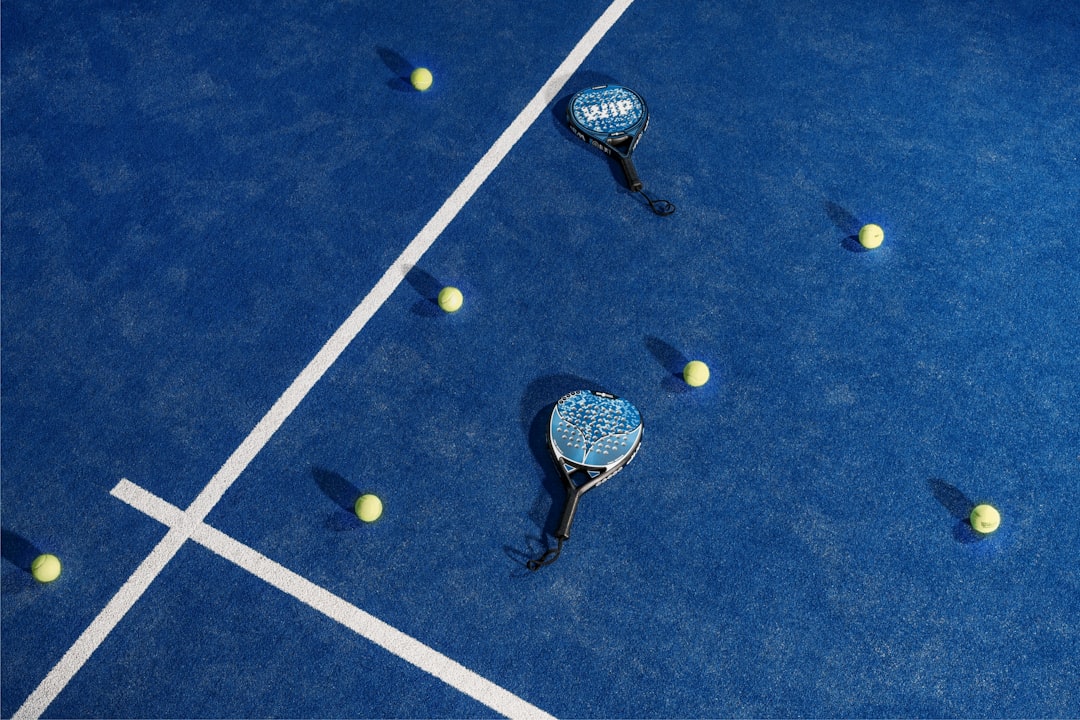
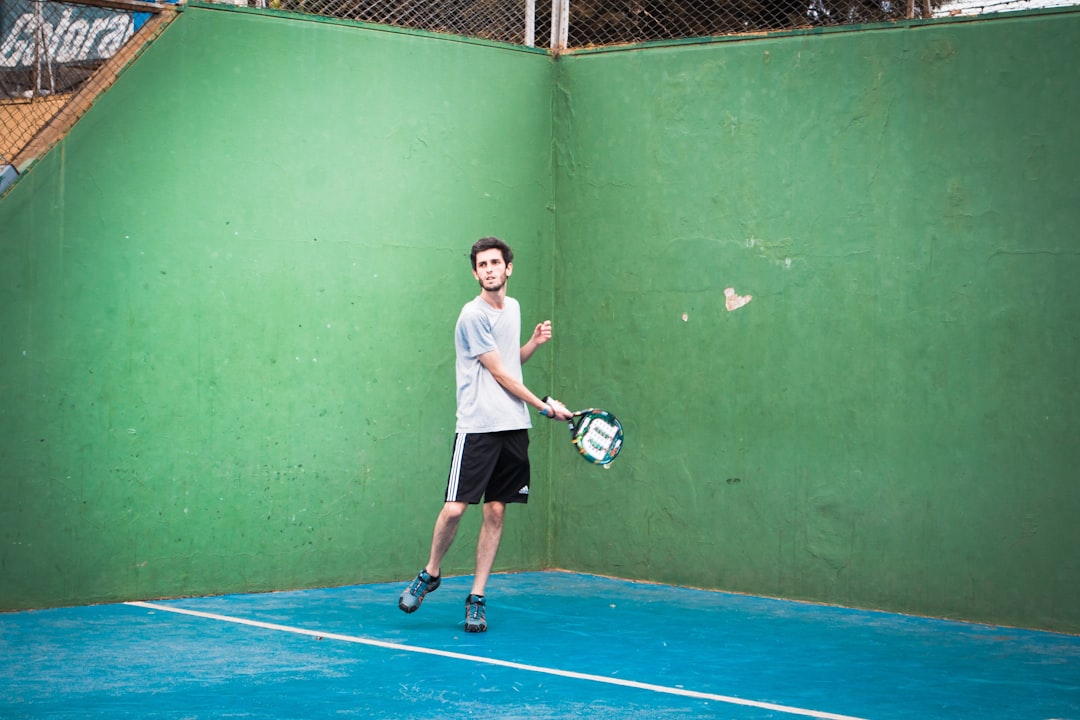
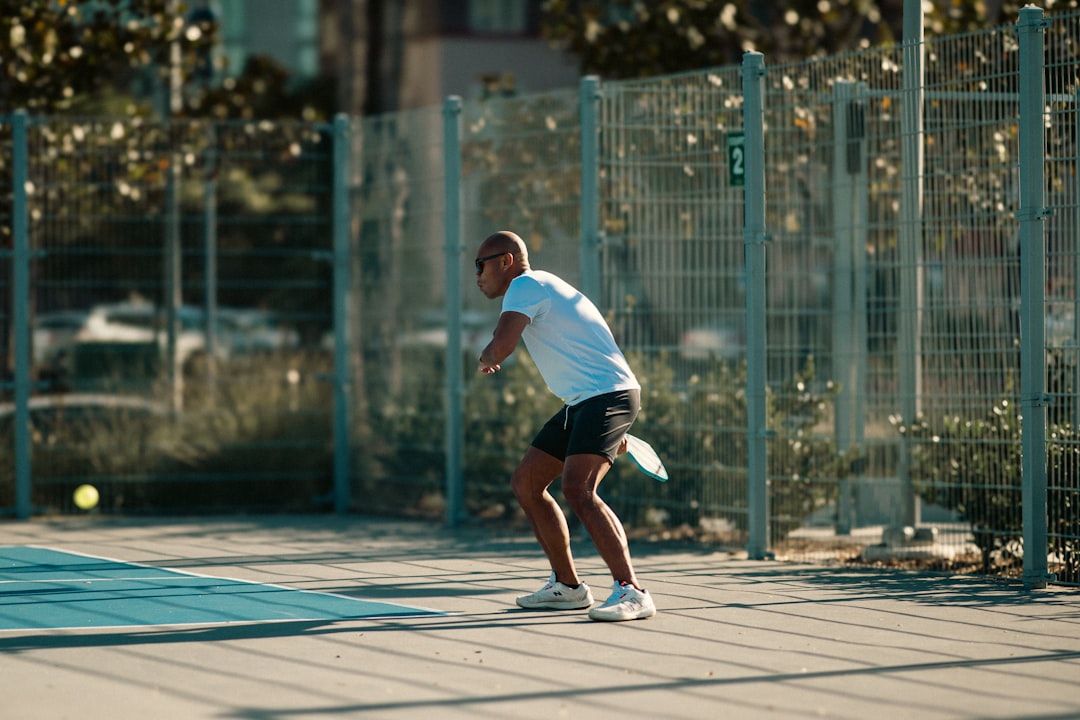
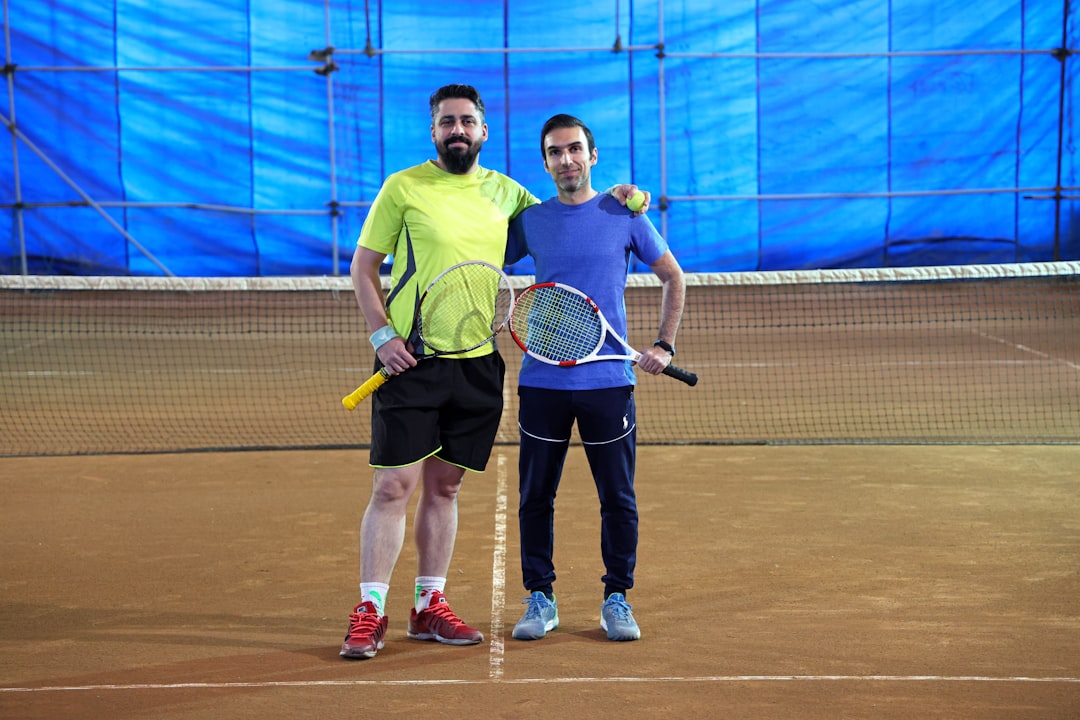
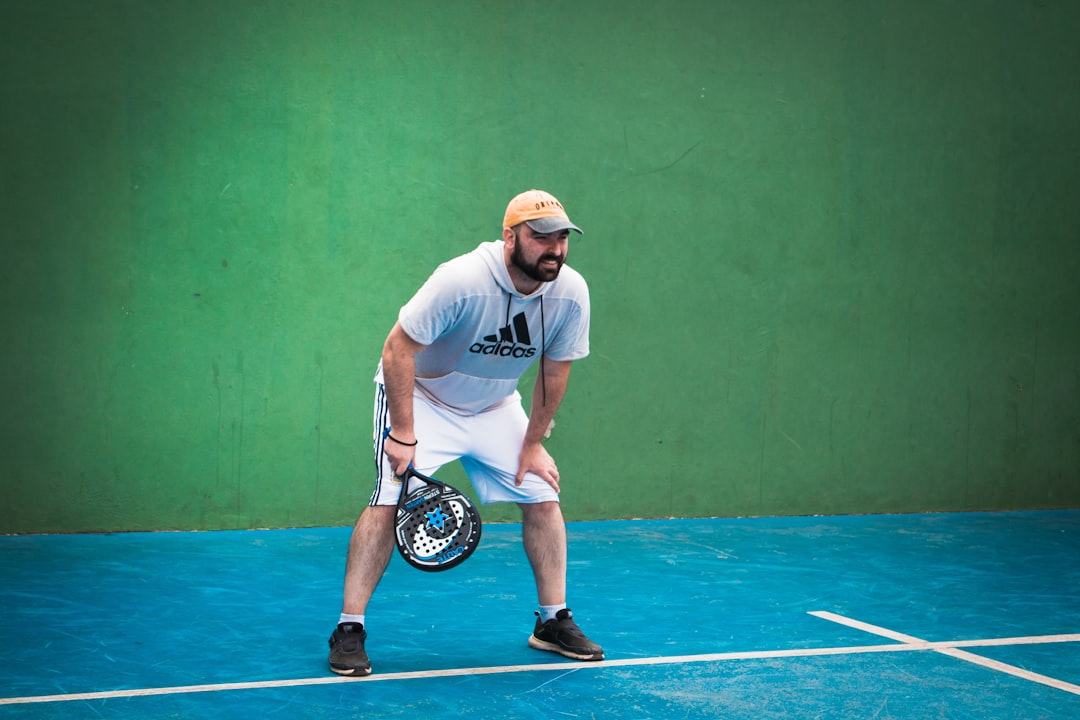
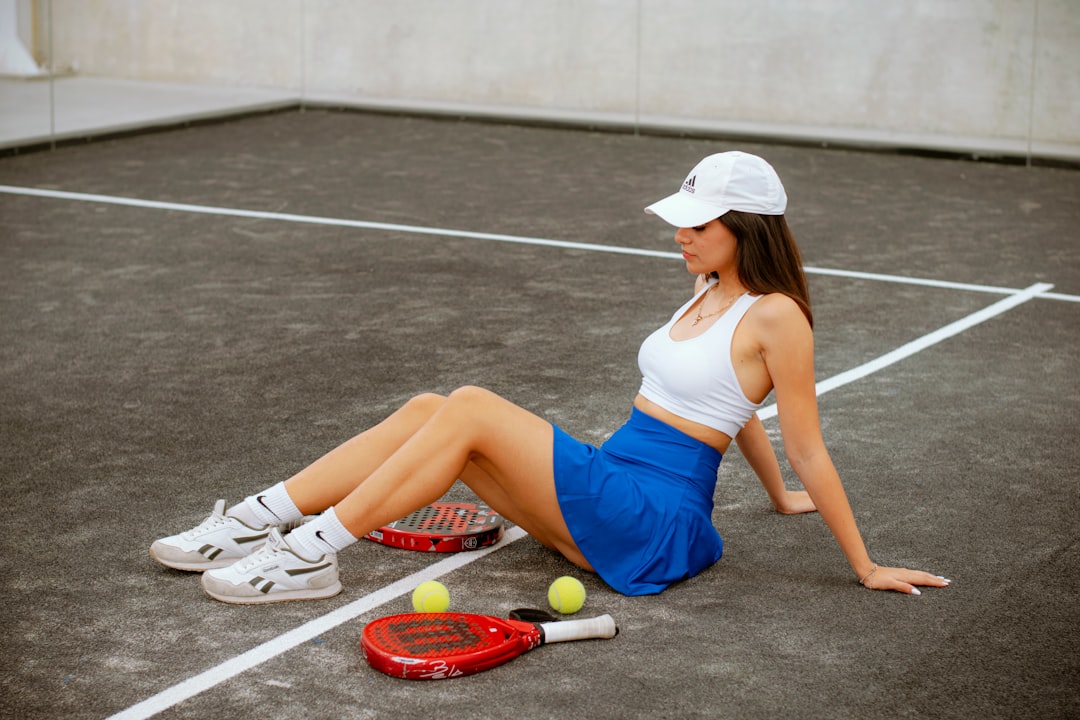
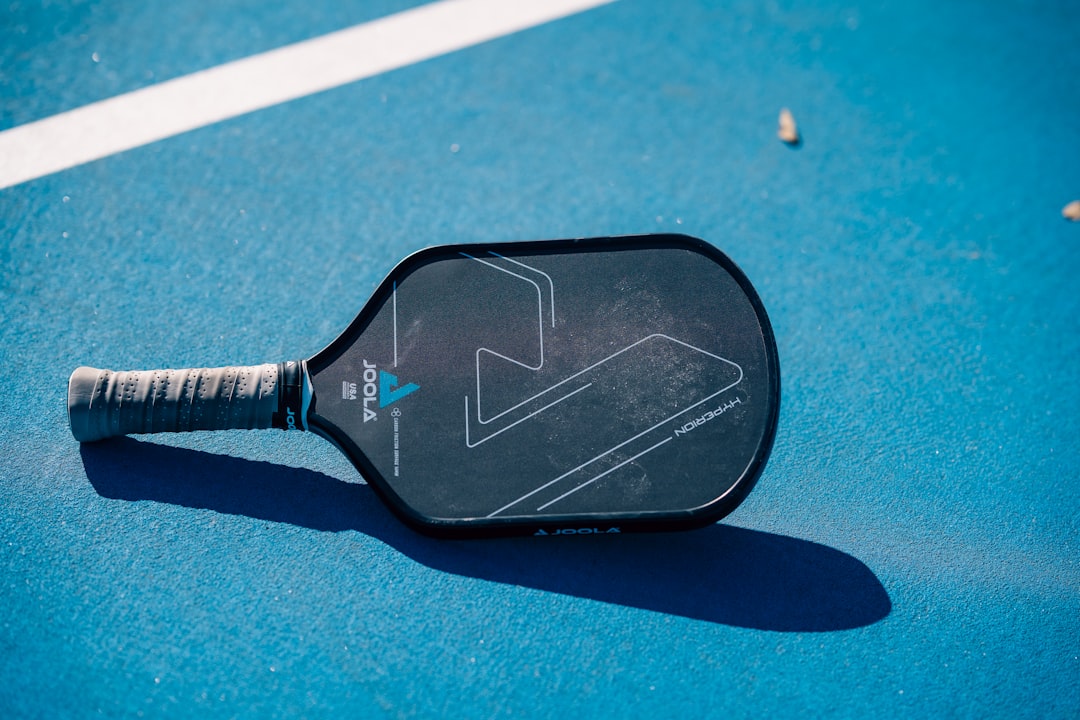
Before we dive into the comparison, let’s start with the basics. Padel and tennis are both racket sports that involve hitting a ball over a net. However, the equipment, rules, and gameplay differ significantly between the two sports. Padel is played on a smaller court with walls, using a paddle and a plastic ball with holes. The game is typically played in doubles, with an emphasis on strategy and teamwork. Tennis, on the other hand, is played on a larger court without walls, using a racket and a pressurized ball. Tennis can be played in both singles and doubles formats, with a focus on individual skill and technique.
When it comes to the question of whether padel is harder than tennis, it’s essential to consider the skills and physical demands required for each sport. Padel players need to have excellent hand-eye coordination, reaction time, and agility to navigate the smaller court and respond to the ball’s unpredictable bounces. Tennis players, while also requiring quick reflexes and agility, need to have a strong technical foundation, including powerful serves, precise volleys, and consistent groundstrokes.
The Physical Demands of Padel and Tennis: A Comparison
One of the primary differences between padel and tennis is the physical demands of each sport. Padel is often characterized as a more social and accessible sport, with a lower cardiovascular intensity compared to tennis. Padel players typically cover shorter distances during a match, with an average of 1-2 kilometers per hour, whereas tennis players can cover up to 5-6 kilometers per hour. However, padel players need to have quick bursts of speed and agility to respond to the ball’s rapid movements, which can be just as physically demanding as the endurance required in tennis.
In terms of injury risk, both sports have their unique concerns. Padel players are more likely to experience shoulder and elbow injuries due to the repetitive paddle movements, while tennis players are prone to knee and ankle injuries from the high-impact movements and quick changes of direction. It’s crucial for players of both sports to prioritize proper warm-up routines, stretching, and conditioning exercises to minimize the risk of injury.
Strategy and Technique: The Key to Success in Padel and Tennis
While physical fitness is essential for both sports, strategy and technique play a significant role in determining success. In padel, players need to develop a strong understanding of the game’s nuances, including the ball’s trajectory, spin, and bounce. Padel players must also be adept at communicating with their partner, anticipating their opponent’s moves, and executing precise shots to outmaneuver their opponents.
In tennis, technique is paramount, with players needing to master a range of shots, including serves, forehands, backhands, and volleys. Tennis players must also develop a strong tactical awareness, including understanding their opponent’s strengths and weaknesses, and adjusting their strategy accordingly. The mental aspect of tennis is also critical, with players requiring focus, discipline, and emotional control to perform at their best.
Learning Curve and Accessibility: Which Sport is More Beginner-Friendly?
So, is padel harder than tennis? The answer ultimately depends on your individual skills, experience, and preferences. Padel is often considered a more accessible sport for beginners, with a shorter learning curve and a more social atmosphere. The smaller court and slower-paced gameplay make it easier for newcomers to learn the basics and start playing with friends or family.
Tennis, on the other hand, can be more intimidating for beginners, with a steeper learning curve and a greater emphasis on technical skill. However, with the right instruction and practice, tennis can be a highly rewarding sport, offering a great workout, social opportunities, and a sense of personal achievement.
Conclusion: Key Takeaways and Recommendations
In conclusion, the debate about whether padel is harder than tennis is complex and multifaceted. Both sports offer unique challenges and rewards, and the choice between them ultimately depends on your personal preferences, skills, and goals. If you’re looking for a more social, accessible sport with a focus on strategy and teamwork, padel may be the perfect choice. If you’re seeking a more technically demanding sport with a strong emphasis on individual skill and endurance, tennis may be the way to go.
As you consider which sport to play, remember to prioritize your physical fitness, technique, and strategy. Whether you’re a seasoned athlete or a beginner, it’s essential to start with proper instruction, practice regularly, and listen to your body to minimize the risk of injury. With the right mindset and approach, you can enjoy the many benefits of padel and tennis, including improved physical fitness, social connections, and a sense of personal achievement.
Key takeaways:
- Padel and tennis have different equipment, rules, and gameplay, requiring unique skills and physical demands.
- Padel is often considered a more accessible sport for beginners, with a shorter learning curve and a more social atmosphere.
- Tennis is a more technically demanding sport, with a greater emphasis on individual skill and endurance.
- Both sports offer excellent physical and mental benefits, including improved cardiovascular fitness, coordination, and focus.
- Proper instruction, practice, and physical conditioning are essential for success and injury prevention in both padel and tennis.


Laat een reactie achter