
Are you a tennis enthusiast considering switching to padel or vice versa? Or perhaps you’re a beginner looking to choose between these two popular racket sports? Whatever your situation, you’re probably wondering: is padel moeilijker dan tennis? In this comprehensive guide, we’ll delve into the world of padel and tennis, exploring their differences, similarities, and difficulty levels. By the end of this article, you’ll have a clear understanding of which sport suits your skills and preferences.
Introduction to Padel and Tennis: Understanding the Basics
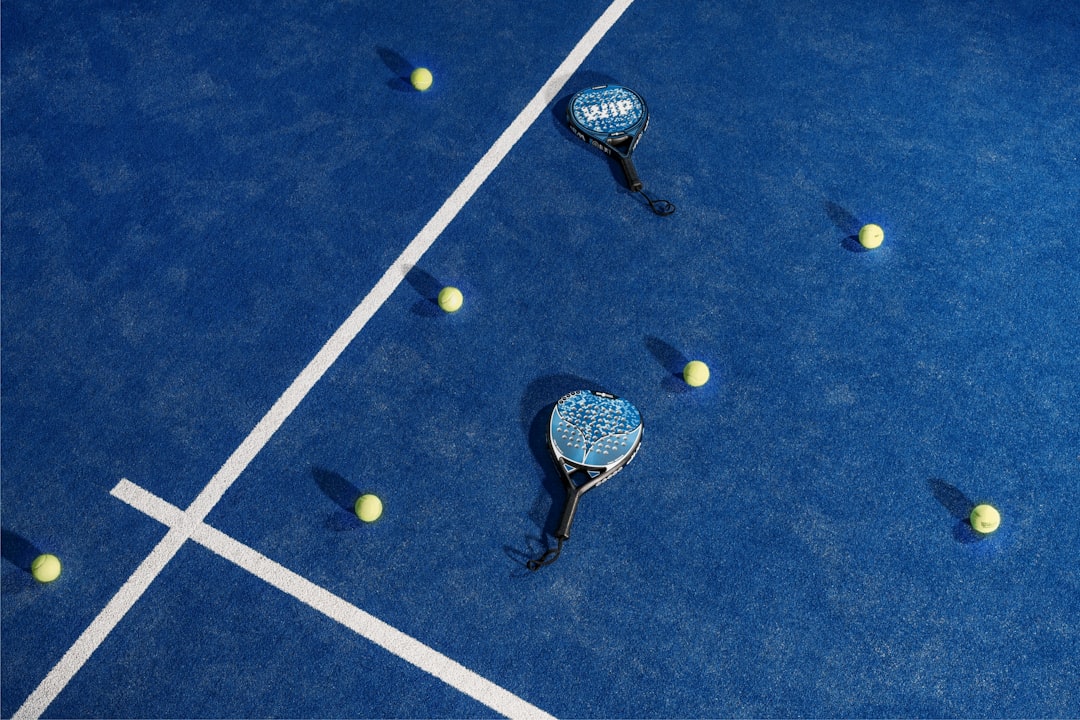
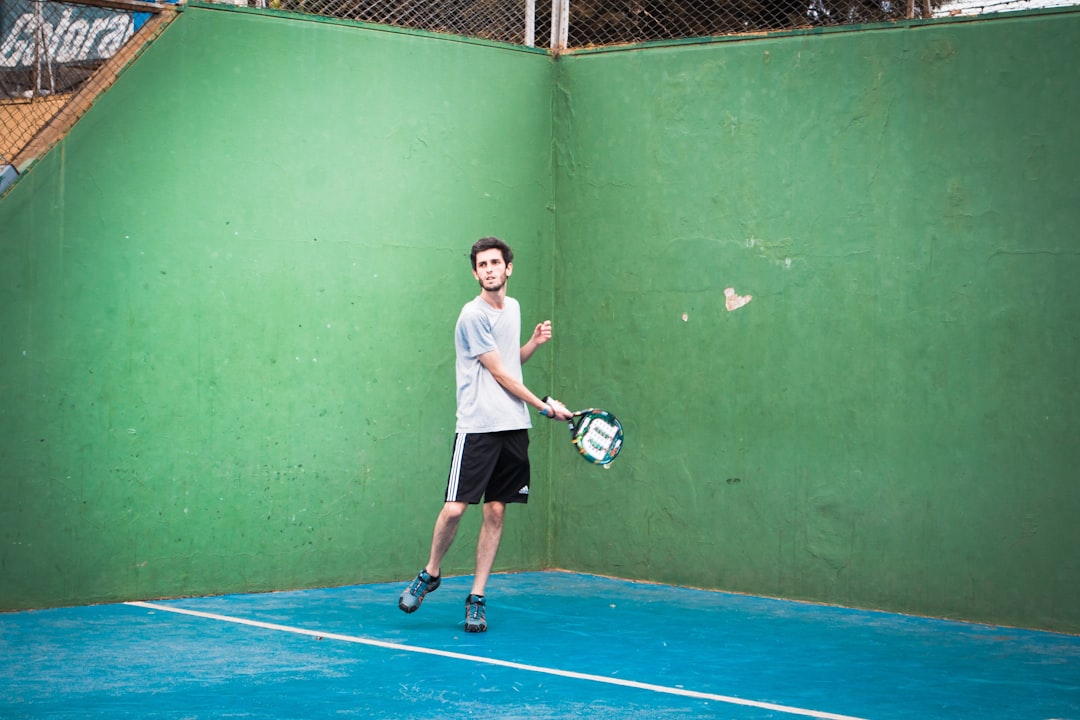
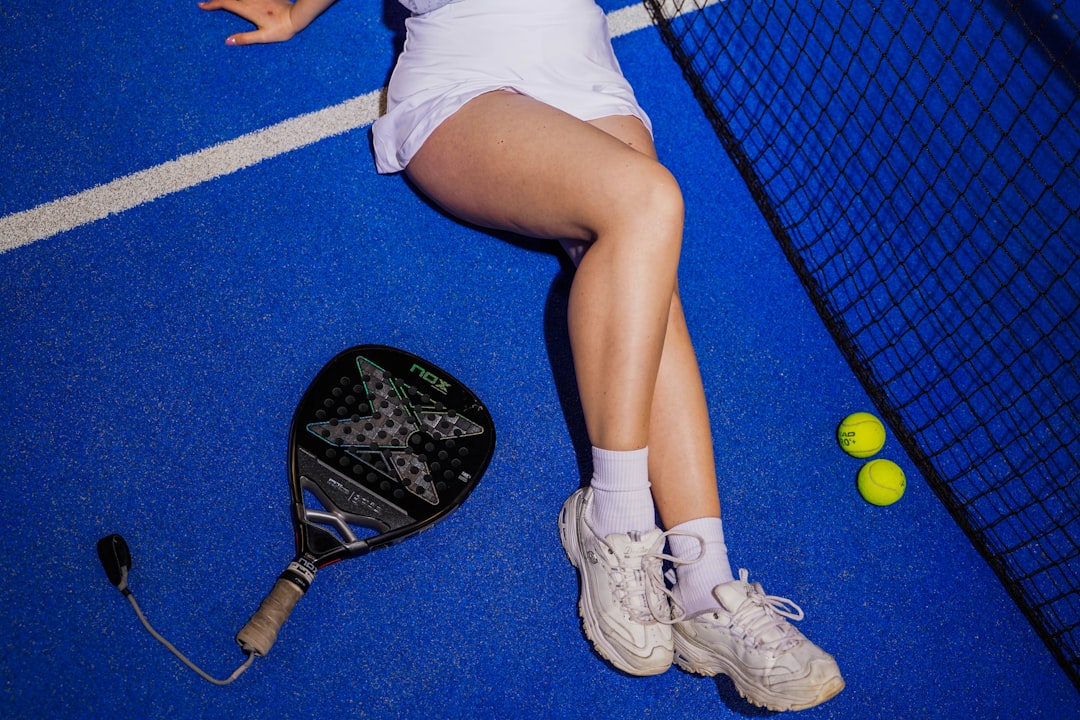
Before we dive into the difficulty levels, let’s start with the basics. Padel and tennis are both racket sports played on a court with a net. However, there are significant differences between the two. Padel is played on a smaller court (20×10 meters) with walls, using a paddle and a plastic ball with holes. Tennis, on the other hand, is played on a larger court (23.77×10.97 meters for singles and 23.77×12.8 meters for doubles) without walls, using a racket and a pressurized ball. These fundamental differences affect the gameplay, strategy, and physical demands of each sport.
Difficulty Level: Padel vs. Tennis
So, is padel moeilijker dan tennis? The answer lies in the unique characteristics of each sport. Padel is often considered more accessible and easier to learn than tennis, especially for beginners. The paddle used in padel is larger and has a softer surface, making it easier to hit the ball. Additionally, the walls in padel allow for longer rallies and more opportunities to retrieve the ball, reducing the need for sharp reflexes and quick movements. However, as players progress to higher levels, padel requires exceptional hand-eye coordination, strategy, and teamwork.
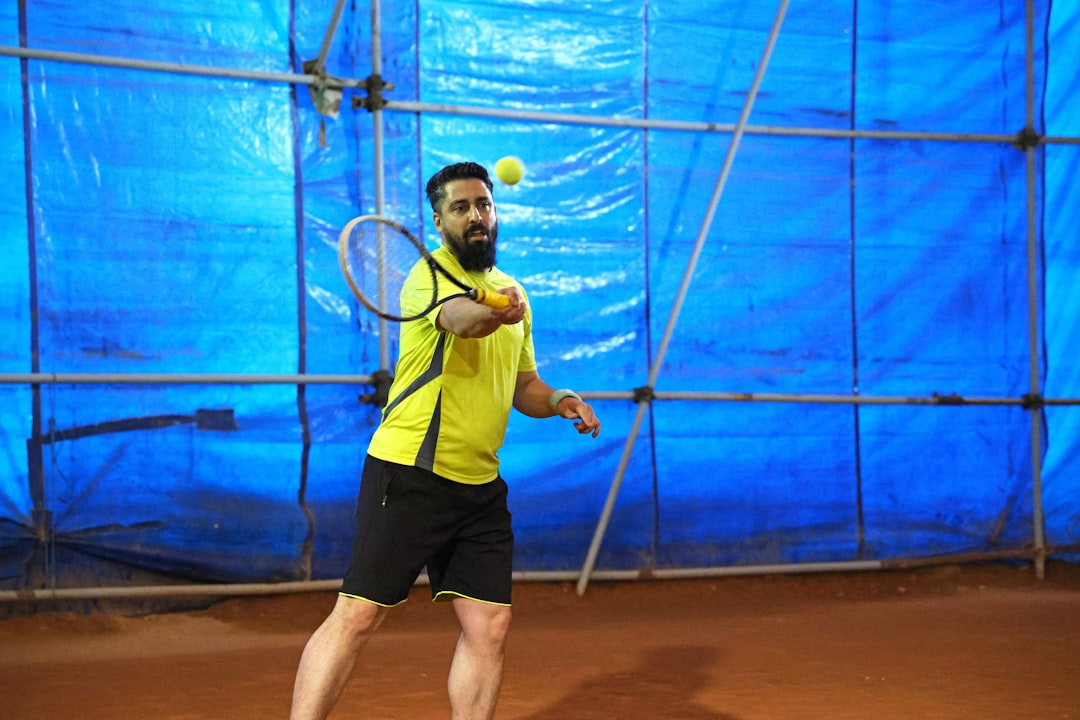
Tennis, on the other hand, demands a higher level of individual skill, speed, and agility. The larger court and faster ball require quick movements, sharp reflexes, and precise shots. Tennis players need to cover more ground, making it a more physically demanding sport. Nevertheless, the lack of walls in tennis means that players need to be more accurate and strategic with their shots, as there are fewer opportunities to retrieve the ball.
Physical Demands and Injury Risk
Another crucial aspect to consider when comparing padel and tennis is the physical demands and injury risk associated with each sport. Padel is generally considered a lower-impact sport, with less stress on the joints and muscles. The smaller court and slower ball reduce the need for explosive movements, making it an excellent option for players with mobility issues or those who are recovering from injuries. However, the repetitive overhead shots in padel can put strain on the shoulders and elbows, increasing the risk of injuries such as tendonitis.
Tennis, being a high-intensity sport, carries a higher risk of injuries, particularly to the knees, ankles, and shoulders. The rapid movements, quick changes of direction, and high-impact landings can lead to acute injuries, such as sprains and strains, as well as chronic conditions like tendonitis and stress fractures. Nevertheless, with proper training, warm-up routines, and equipment, tennis players can minimize their injury risk and enjoy a long, healthy career.
Strategies and Techniques: Mastering the Game
To become proficient in either padel or tennis, it’s essential to develop effective strategies and techniques. In padel, players need to focus on hand-eye coordination, reaction time, and teamwork. They should practice volleying, overhead shots, and lobs, as well as develop strategies for playing at the net and using the walls to their advantage. Padel players should also work on their communication and coordination with their partner, as this is a crucial aspect of the game.
In tennis, players need to develop a strong technical foundation, including forehand, backhand, serve, and volley. They should practice footwork drills, agility exercises, and conditioning routines to improve their speed, agility, and endurance. Tennis players should also focus on developing a strategic mindset, including shot selection, court positioning, and opponent analysis.
Conclusion: Choosing the Right Sport for You
So, is padel moeilijker dan tennis? The answer ultimately depends on your individual skills, preferences, and goals. Padel is an excellent option for those looking for a social, accessible, and strategic sport, while tennis is ideal for players who enjoy high-intensity competition and individual challenge. By understanding the unique characteristics, difficulty levels, and physical demands of each sport, you can make an informed decision and choose the racket sport that suits you best.
Whether you’re a seasoned athlete or a beginner, both padel and tennis offer a fun, engaging, and rewarding experience. With practice, patience, and dedication, you can master the techniques, strategies, and physical demands of your chosen sport. So, grab your racket or paddle, head to the court, and discover the excitement of padel and tennis for yourself. Remember to always warm up, stretch, and cool down to prevent injuries and ensure a long, healthy career in your chosen sport. Happy playing!

Laat een reactie achter