
Are you a tennis enthusiast considering switching to padel, or perhaps a padel player wondering how your skills translate to the tennis court? The debate about which sport is more challenging has sparked a lot of discussion among racket sports fans. In this article, we’ll delve into the world of padel and tennis, exploring the key differences, similarities, and challenges that come with each sport. By the end of this post, you’ll have a better understanding of whether padel is indeed moeilijker (more difficult) than tennis.
Introduction to Padel and Tennis: Understanding the Basics
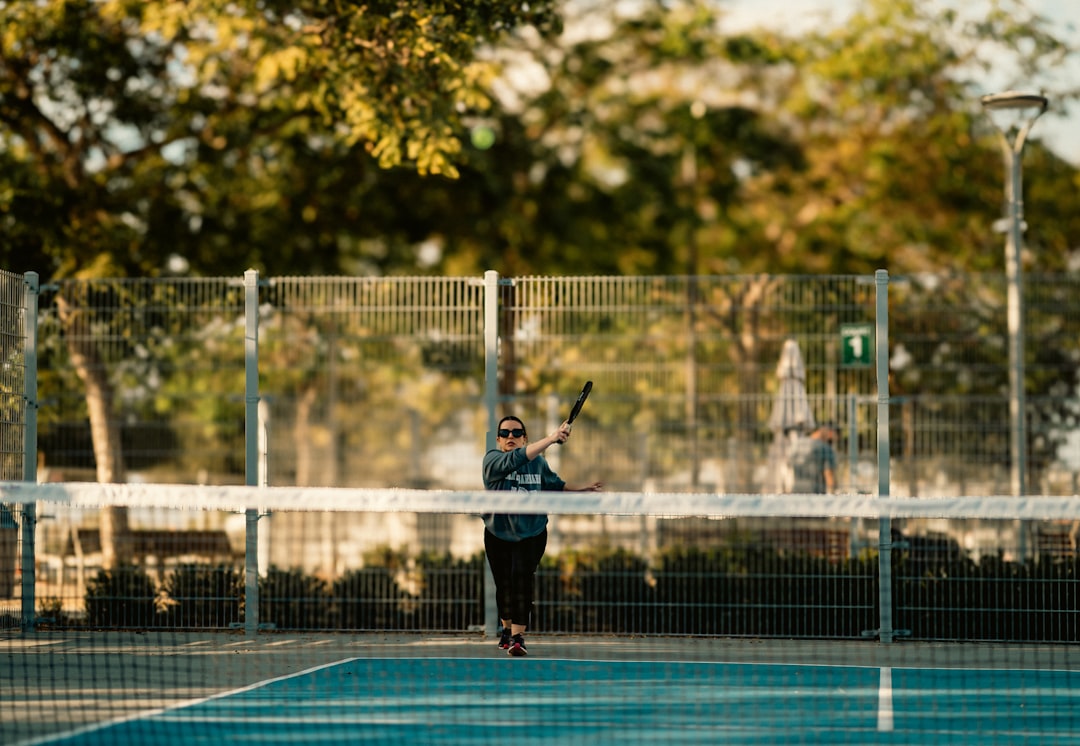
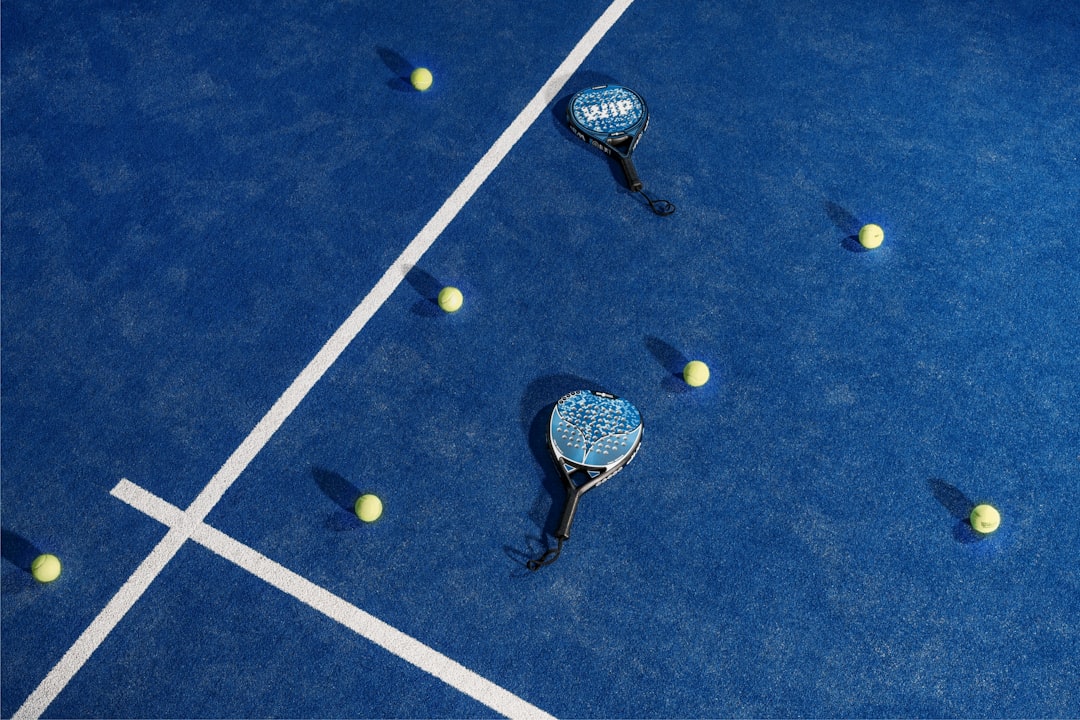
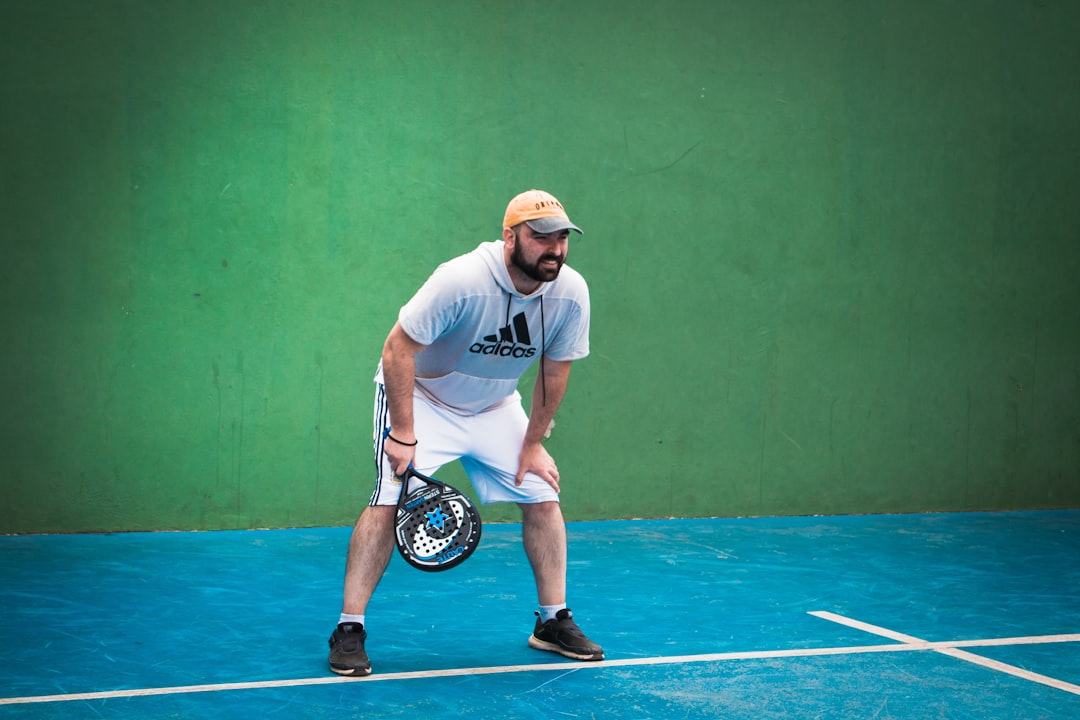
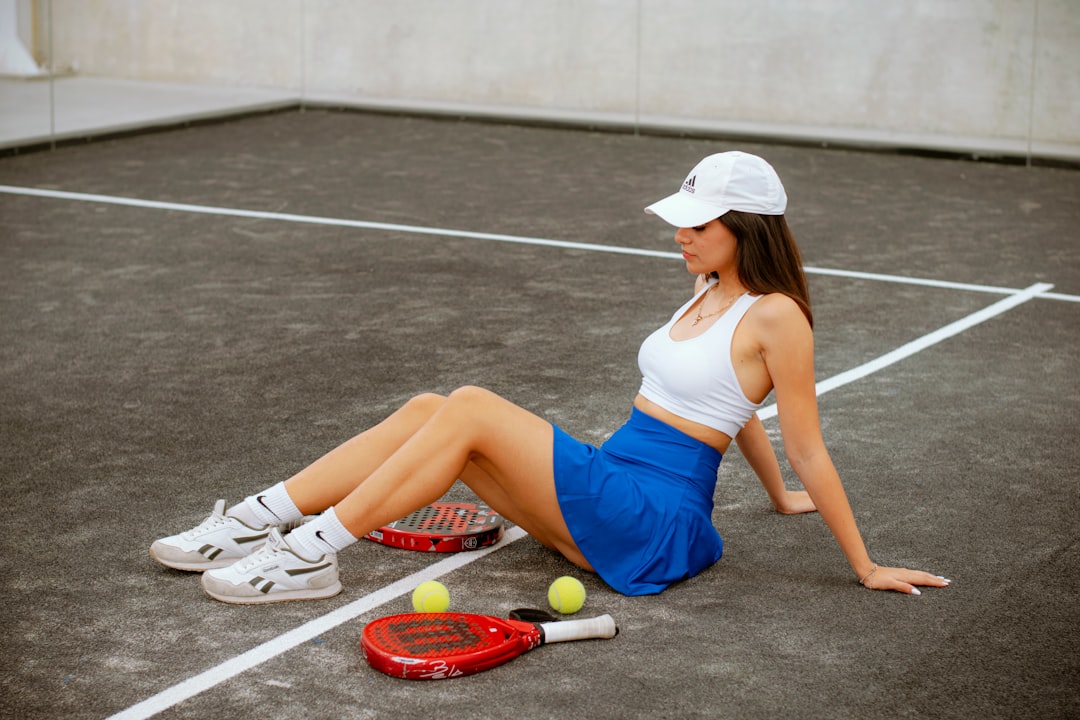
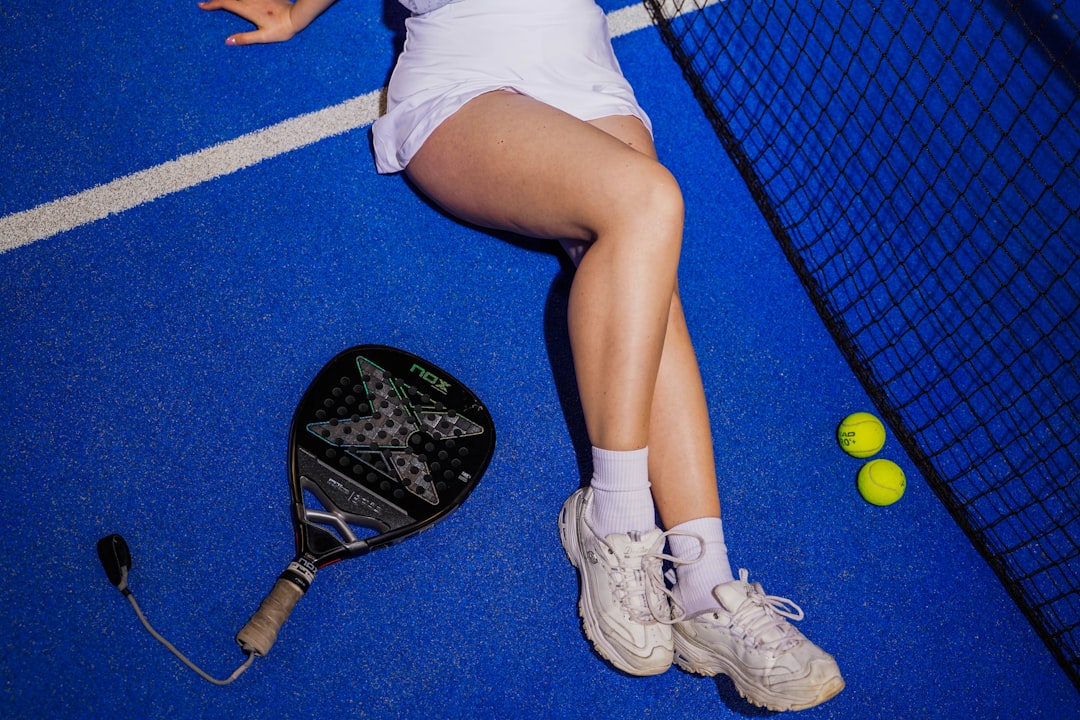
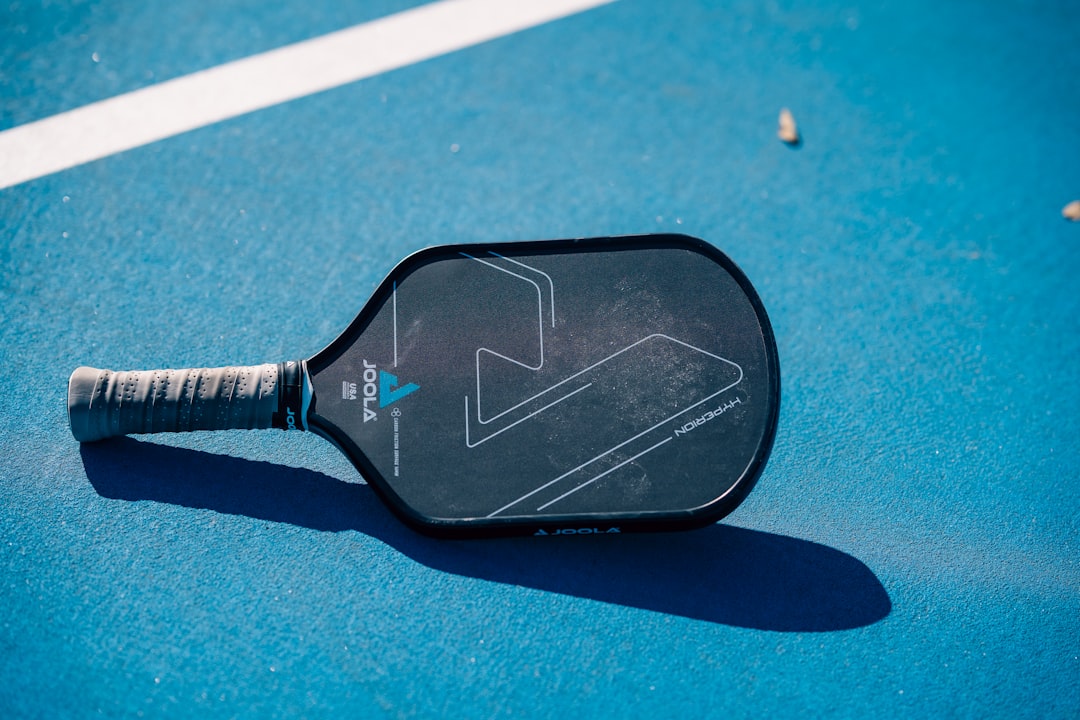
Before we dive into the comparison, let’s start with the basics. Padel and tennis are both racket sports that involve hitting a ball over a net. However, the equipment, court dimensions, and rules differ significantly between the two. Padel is played on a smaller court with walls, using a solid paddle and a plastic ball with holes. Tennis, on the other hand, is played on a larger court with rackets and a pressurized ball. The scoring system and game duration also vary between the two sports.
Key Differences: Padel vs. Tennis
So, what makes padel potentially more challenging than tennis? Here are a few key differences to consider:
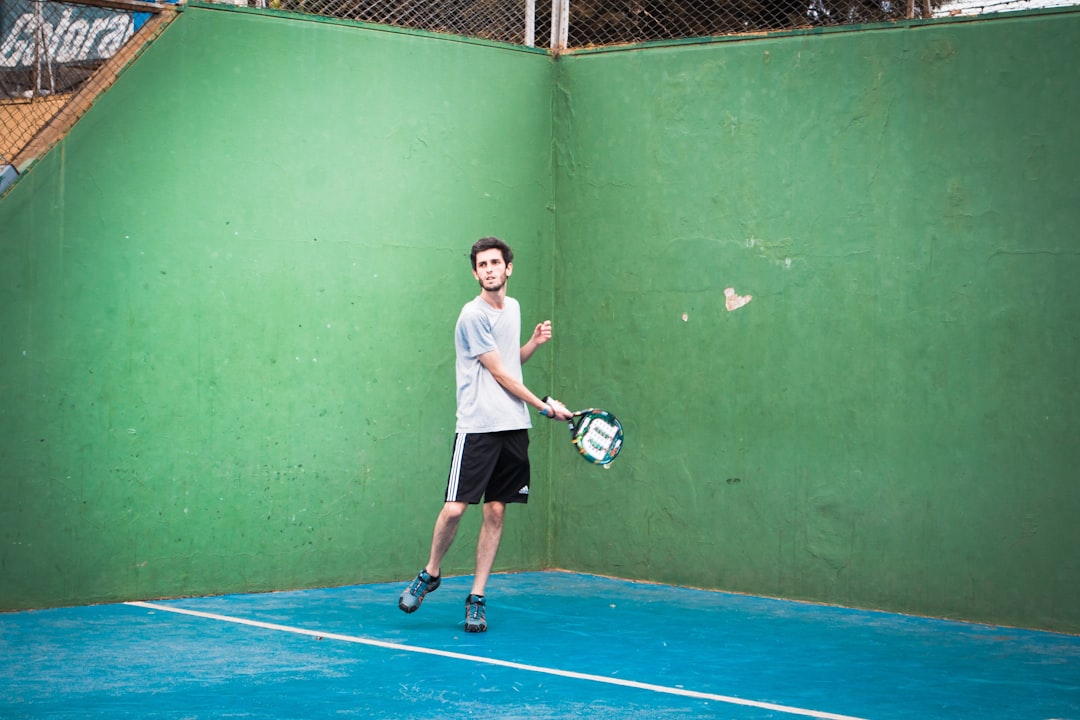
- Court size and walls: Padel courts are smaller than tennis courts, but the presence of walls adds a new level of complexity to the game. Players need to be able to hit shots that bounce off the walls, which requires excellent hand-eye coordination and spatial awareness.
- Paddle vs. racket: The solid paddle used in padel is heavier and more forgiving than a tennis racket. However, it also requires more strength and control to maneuver, particularly when hitting shots with precision.
- Ball characteristics: The plastic ball used in padel has a slower bounce and less spin than a tennis ball. This means that padel players need to be able to generate power and speed without relying on spin, which can be a challenging adjustment for tennis players.
- Footwork and agility: Both padel and tennis require quick movements and rapid changes of direction. Developing your footwork and agility through practice drills and exercises can help you stay ahead of the game.
- Shot selection and placement: In both sports, it’s essential to choose the right shot for the situation and place it strategically on the court. This requires a deep understanding of the game, your opponents, and your own strengths and weaknesses.
- Mental toughness and focus: Racket sports can be mentally demanding, particularly when playing at a high level. Cultivating mental toughness and focus through techniques like meditation and visualization can help you stay calm under pressure and perform at your best.
- Start with the basics: Regardless of your tennis experience, it’s essential to start with the fundamentals of padel, including grip, stance, and basic shots.
- Focus on paddle control: Developing control and precision with the paddle is critical in padel. Practice drills that focus on paddle control, such as hitting shots with different grips and angles.
- Play with experienced players: Playing with experienced padel players can help you learn new strategies and techniques, as well as adapt to the faster pace of the game.
- Padel and tennis are both challenging sports that require unique skills and strategies.
- The smaller court and solid paddle in padel present distinct challenges, including hand-eye coordination and spatial awareness.
- Tennis requires a different set of skills, including spin and racket control.
- Adapting to padel or tennis requires a focus on the basics, paddle control, and playing with experienced players.
Challenges and Strategies: Mastering Padel and Tennis
Whether you’re playing padel or tennis, there are certain challenges and strategies that can help you improve your game. Here are a few tips to keep in mind:
Training and Practice: Bridging the Gap between Padel and Tennis
If you’re looking to transition from tennis to padel or vice versa, it’s essential to understand how to adapt your training and practice routine. Here are a few tips to help you bridge the gap:
Conclusion: Is Padel Moeilijker dan Tennis?
So, is padel moeilijker dan tennis? The answer ultimately depends on your individual skills, experience, and preferences. While padel presents unique challenges, such as the smaller court and solid paddle, tennis requires a different set of skills, including spin and racket control. By understanding the key differences and similarities between the two sports, you can develop a more nuanced appreciation for the challenges and rewards of each game.
Key takeaways:
Whether you’re a seasoned tennis player or a padel enthusiast, there’s no denying the excitement and challenge of racket sports. By embracing the unique demands of each game, you can improve your skills, stay active, and enjoy the thrill of competition. So, which sport is moeilijker? The answer is up to you – grab a paddle or racket, and find out for yourself!

Laat een reactie achter