
As the world of racket sports continues to evolve, two games have been gaining immense popularity: padel and tennis. Both require skill, strategy, and a good dose of physical fitness, but the question on every enthusiast’s mind is: is padel moeilijker dan tennis? In this comprehensive guide, we’ll delve into the similarities and differences between these two sports, exploring the techniques, rules, and physical demands that set them apart. Whether you’re a seasoned pro or a beginner looking to pick up a new racket sport, this article will provide you with the insights you need to decide which game is right for you.
Introduction to Padel and Tennis: Understanding the Basics
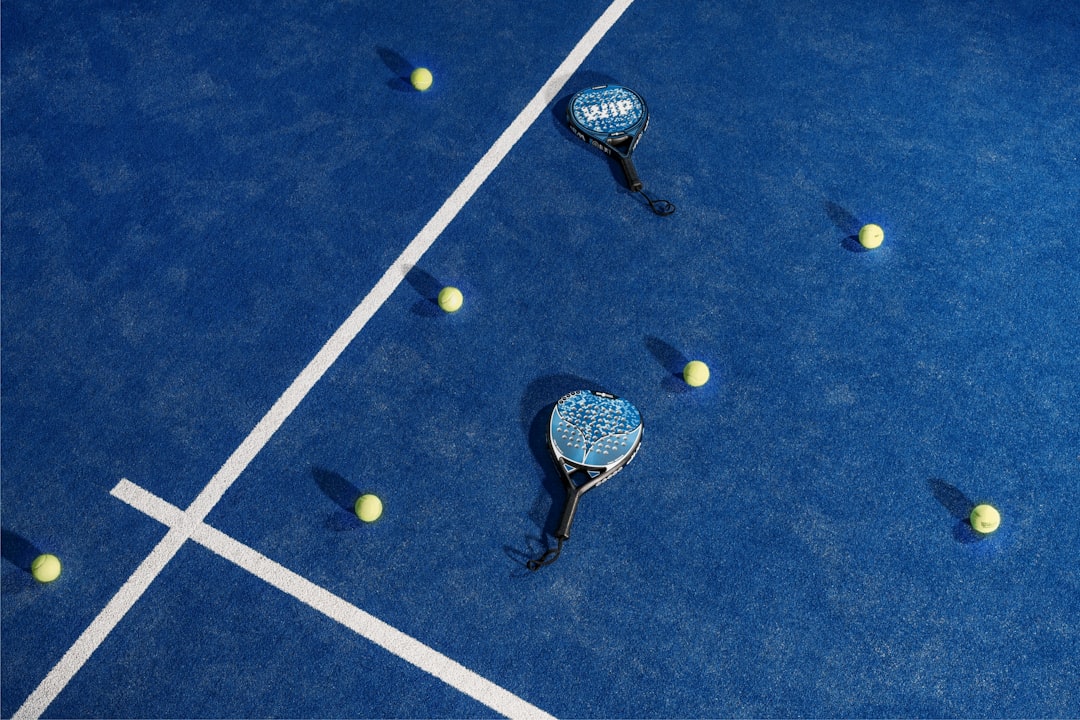
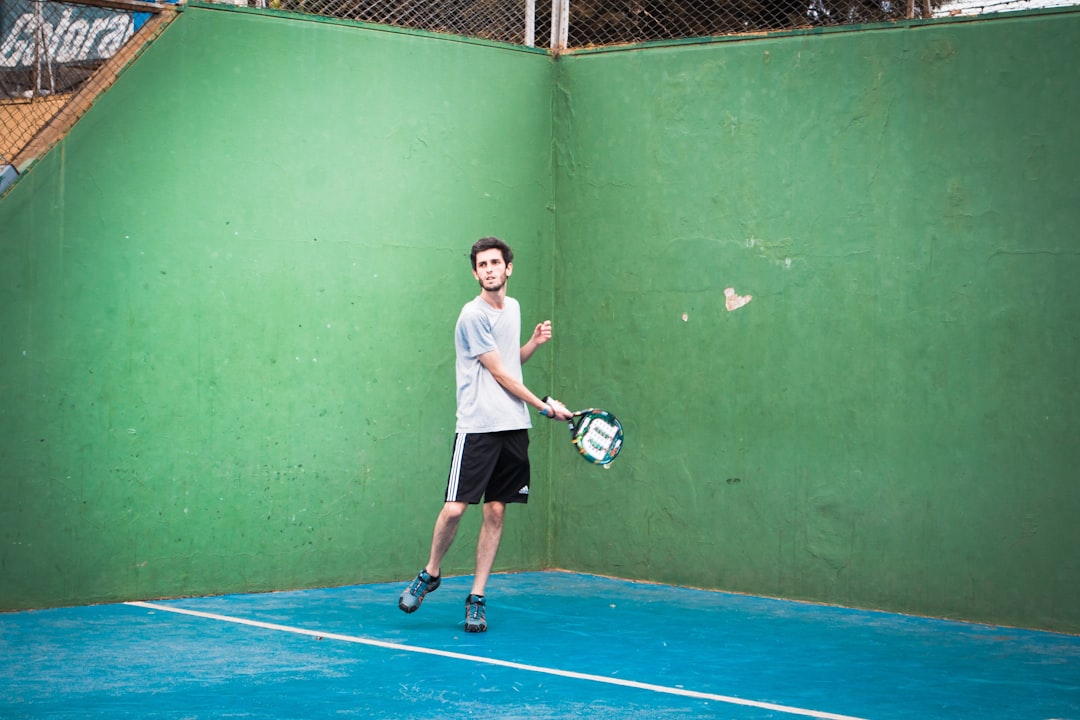
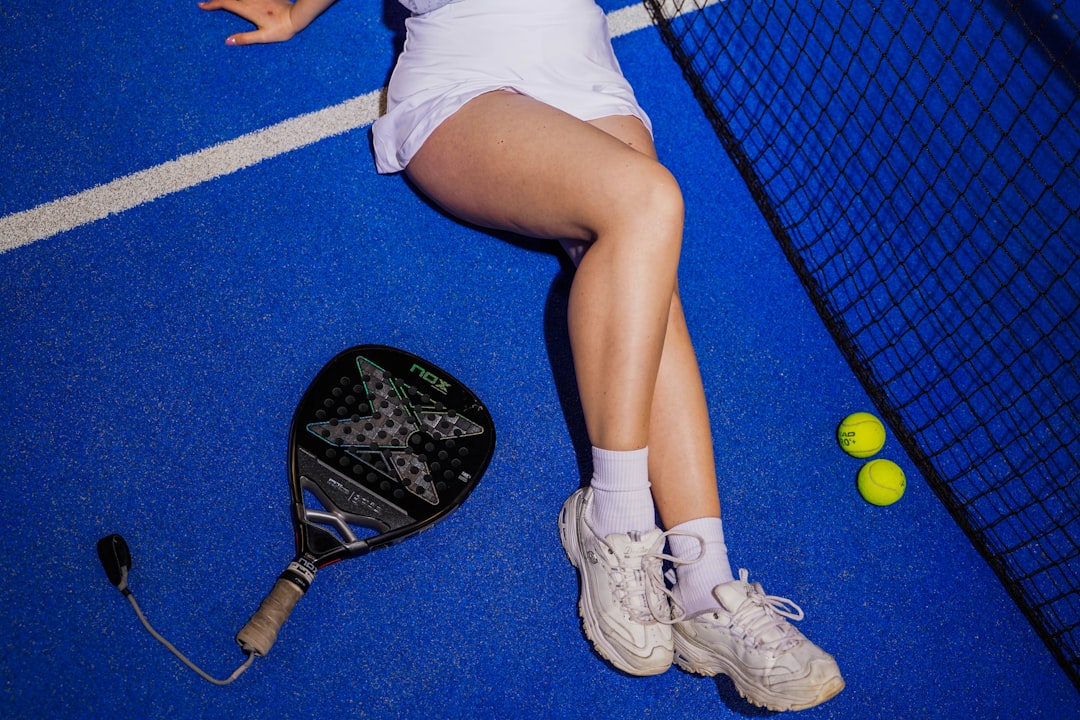
Before we dive into the complexities of each sport, let’s start with the basics. Padel, a relatively new sport, originated in Mexico in the 1960s and has since gained a massive following in Europe and beyond. It’s played on a court that’s smaller than a tennis court, with walls on all sides, and the ball can bounce off these walls, similar to squash. The game is typically played in doubles, with a lower net than tennis, and the racket used is solid, without strings. On the other hand, tennis, one of the world’s most popular sports, is played on a larger court, with a higher net, and the racket has strings. Tennis can be played in both singles and doubles formats.
Understanding the rules and equipment of both sports is essential to appreciate their differences. For instance, in padel, the serve is underhand, and volleys are a crucial part of the game due to the smaller court size. In contrast, tennis serves are overhand, and the larger court allows for more emphasis on powerful groundstrokes and serves. The type of racket used also significantly affects the gameplay. The solid padel racket provides less power but more control, whereas the strung tennis racket can generate more power but requires precise string tension for optimal performance.
Physical Demands: Comparing the Fitness Requirements
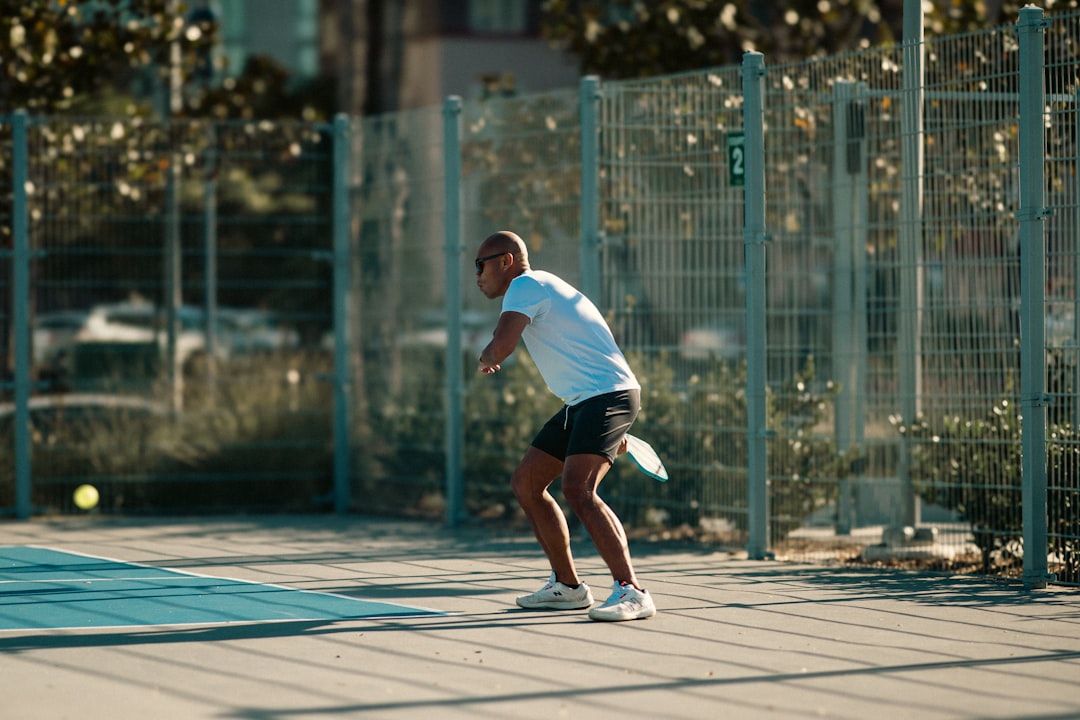
Both padel and tennis are physically demanding sports that require a combination of endurance, strength, agility, and speed. However, the nature of these demands differs between the two sports. Padel, due to its smaller court and the fact that the ball can bounce off the walls, involves a lot of quick movements and fast reactions. Players need to be highly agile and able to cover the court rapidly to return shots. The shorter rallies in padel compared to tennis also mean players have less time to recover between points, making cardiovascular endurance crucial.
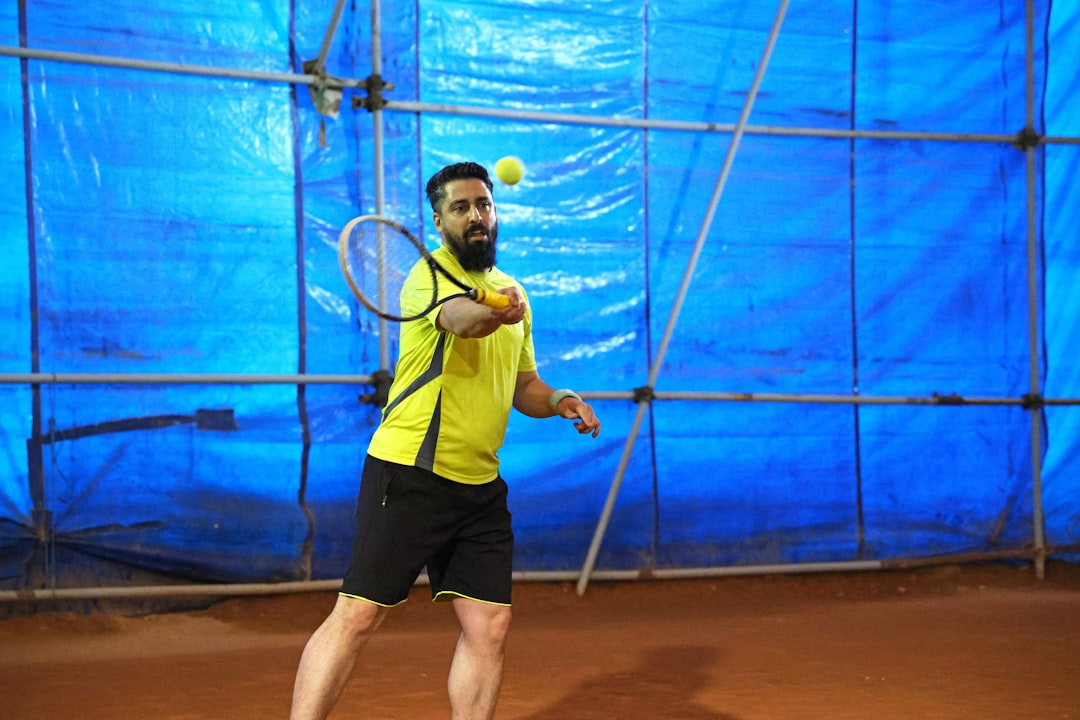
Tennis, on the other hand, requires a broader range of physical attributes. The larger court size means players have to cover more ground, which demands higher levels of endurance and speed. Tennis also involves more powerful movements, such as serving and smashing, which require significant strength and technique. The longer rallies in tennis can be both physically and mentally demanding, as players need to sustain a high level of performance over an extended period.
Techniques and Strategies: Mastering the Skills
The techniques and strategies employed in padel and tennis are also distinct. In padel, because the ball can bounce off the walls, players use a lot of shots that aim to utilize these walls to their advantage, such as the “lob” which sends the ball high and deep into the opponent’s court, using the back wall to make it difficult for the opponents to return. The volley is also a key shot in padel, given the smaller court size and the lower net, which allows players to finish points quickly at the net.
In tennis, the strategy is often more focused on exploiting the opponent’s weaknesses, whether it be their forehand, backhand, or volleys. Players use a variety of shots, including topspin, slice, and drop shots, to control the point and push their opponent back. The serve in tennis is also a critical shot, as it can be used to gain an immediate advantage in the point. Players often spend a lot of time perfecting their serve technique to achieve the right balance between power and precision.
Mental Preparation: The Psychological Aspect
Beyond the physical and technical aspects, the mental preparation required for padel and tennis also differs. Padel, with its fast-paced and often unpredictable gameplay due to the walls, demands quick decision-making and the ability to adapt rapidly to changing situations. Players need to be highly focused and able to manage their emotions effectively to perform at their best under pressure.
Tennis, especially at the professional level, is as much a mental game as it is physical. The individual nature of the sport (in singles) means that players have to handle the pressure and responsibility of performing alone. The ability to stay motivated, manage nerves, and maintain a positive mindset throughout a match is crucial. Tennis players often work with sports psychologists to develop strategies for handling the mental aspects of the game, such as overcoming fear of failure, building confidence, and developing a pre-serve or pre-shot routine to stay focused.
Conclusion: Is Padel Moeilijker dan Tennis?
So, is padel moeilijker dan tennis? The answer depends on your personal preferences, skills, and what you’re looking for in a racket sport. Both padel and tennis offer unique challenges and rewards. Padel’s fast-paced, tactical gameplay and emphasis on quick reactions might appeal to those who enjoy strategy and teamwork, as it’s typically played in doubles. Tennis, with its broader range of physical demands, variety of shots, and mental challenges, might suit individuals who enjoy the test of endurance, strategy, and personal competition that comes with singles play.
Ultimately, whether padel is harder than tennis or vice versa is subjective. What’s most important is finding a sport that you enjoy and that challenges you in ways that keep you engaged and motivated. Whether you’re a fan of padel, tennis, or both, the racket sports community welcomes players of all levels, offering a platform to improve your fitness, develop new skills, and make lasting connections with fellow enthusiasts. So, grab a racket, head to your nearest court, and discover the joy of racket sports for yourself.

Laat een reactie achter