
Are you a tennis enthusiast considering switching to padel, or perhaps a padel player wondering how your skills would translate to the tennis court? The debate about which sport is more challenging has been a longstanding one, with proponents on both sides presenting compelling arguments. In this article, we’ll delve into the world of racket sports, exploring the similarities and differences between padel and tennis, and ultimately answering the question: is padel moeilijker dan tennis?
Introduction to Padel and Tennis: Understanding the Basics
Before we dive into the comparison, it’s essential to understand the fundamental rules and objectives of both sports. Tennis is a well-known individual or doubles sport played on a rectangular court with a net in the center. The objective is to hit the ball over the net into the opponent’s court while preventing the opponent from doing the same. Padel, on the other hand, is a doubles sport played on a smaller court with walls on all sides, similar to squash. The objective is the same as tennis, but the court’s dimensions and the presence of walls significantly alter the gameplay dynamics.
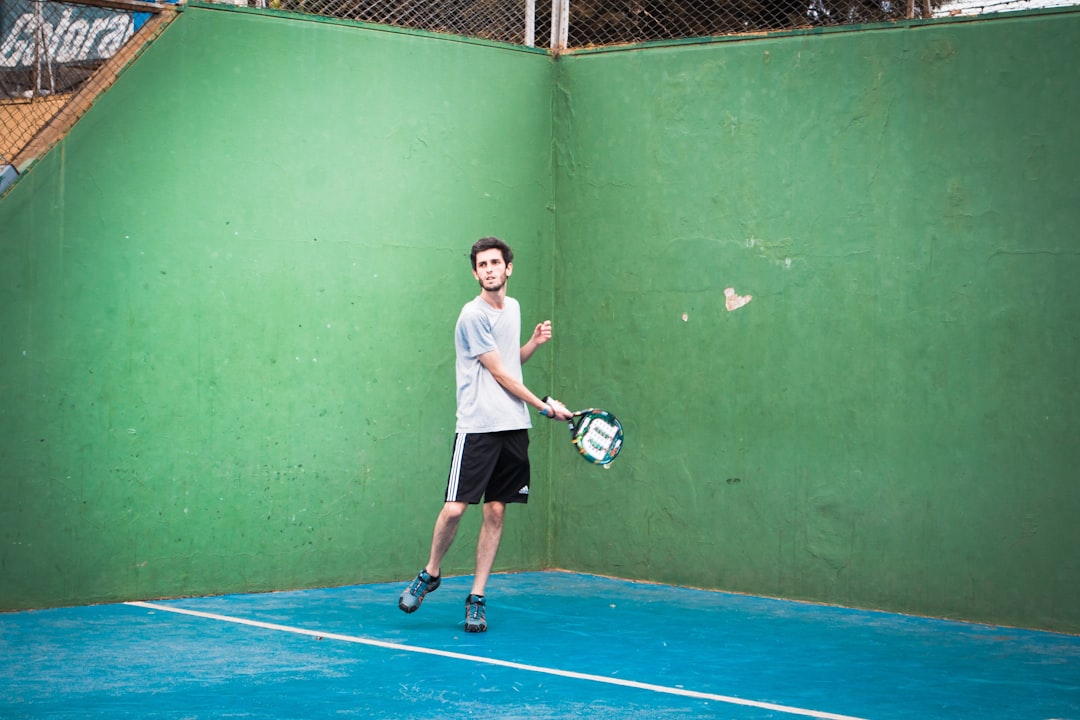
Padel is often described as a more social and accessible version of tennis, with a lower learning curve due to the use of paddles instead of rackets and the fact that the ball can bounce off the walls. However, this doesn’t necessarily mean that padel is easier than tennis. The reduced court size and the need to adapt to the ball’s unpredictable bounces off the walls introduce unique challenges that require quick reflexes, strategic thinking, and excellent hand-eye coordination.
Key Differences: Court Size, Equipment, and Gameplay
One of the most significant differences between padel and tennis is the court size. A tennis court is 78 feet (23.77 meters) long for singles and 78 feet (23.77 meters) long for doubles, with a net standing at 3 feet 6 inches (1.07 meters) high at the center. In contrast, a padel court is 60 feet (20×10 meters) long and 30 feet (20×10 meters) wide, with a net that stands at 3 feet 3 inches (0.97 meters) high. This smaller court size means that points in padel are often shorter, and players need to be highly adept at volleying and reacting quickly to the ball’s movement.
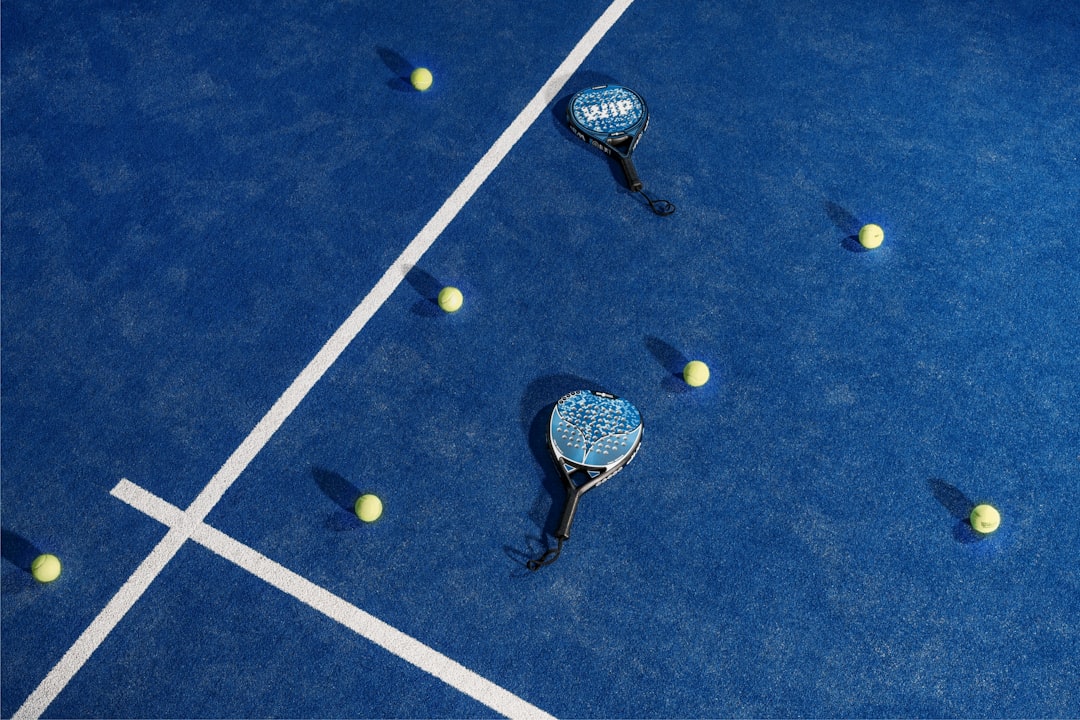
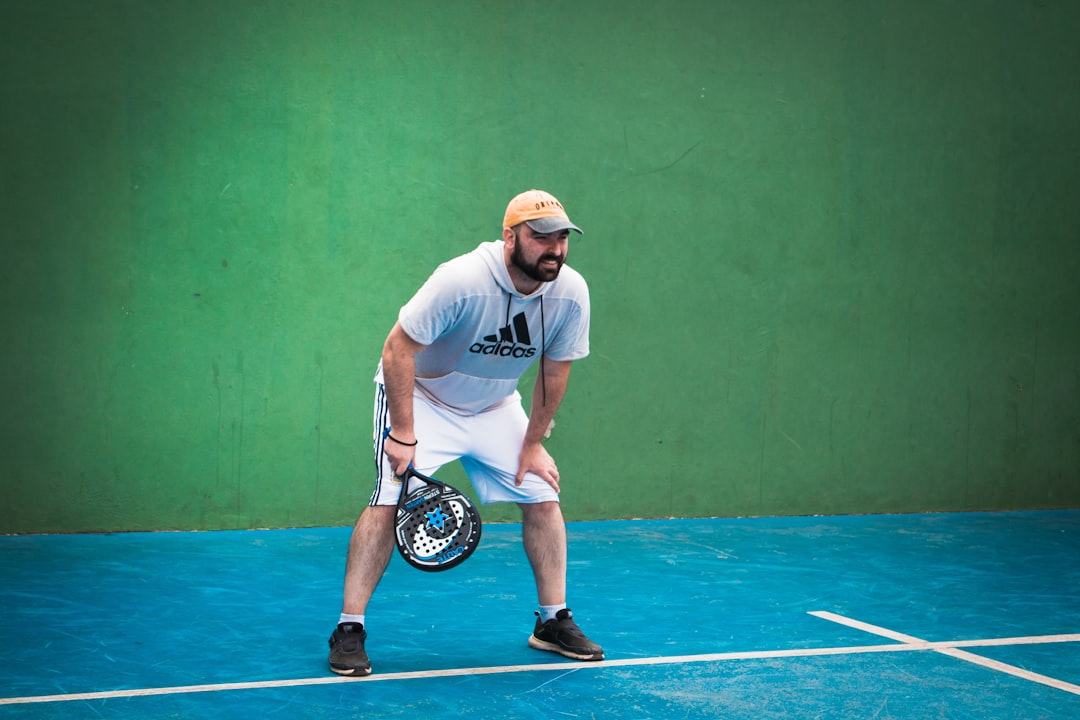
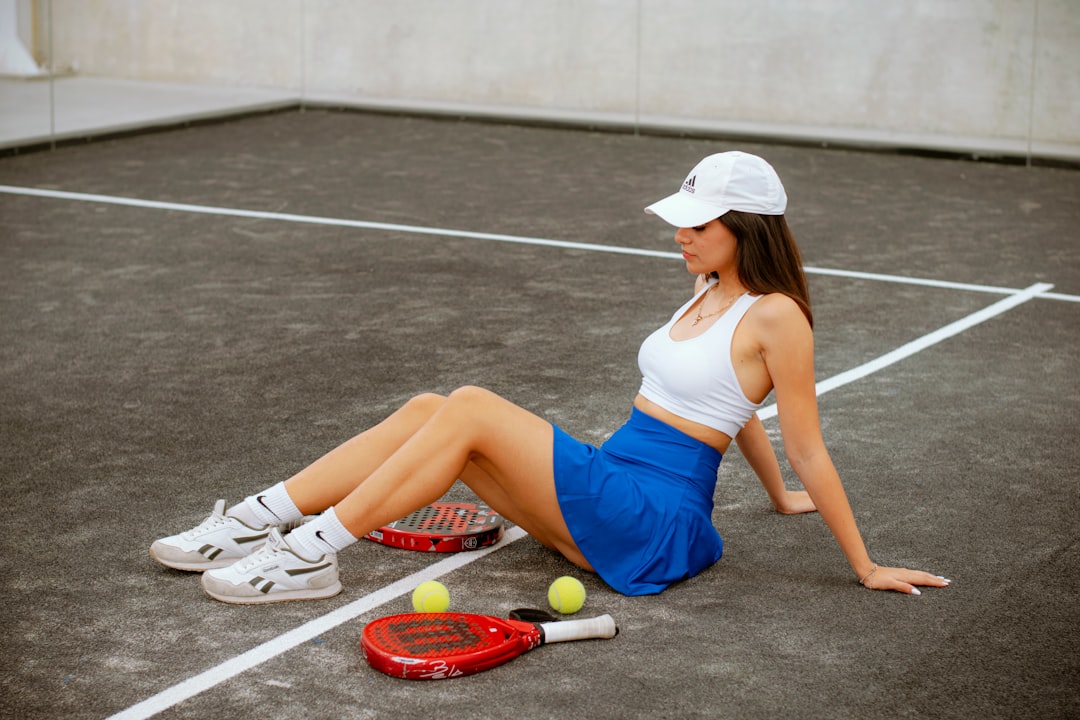
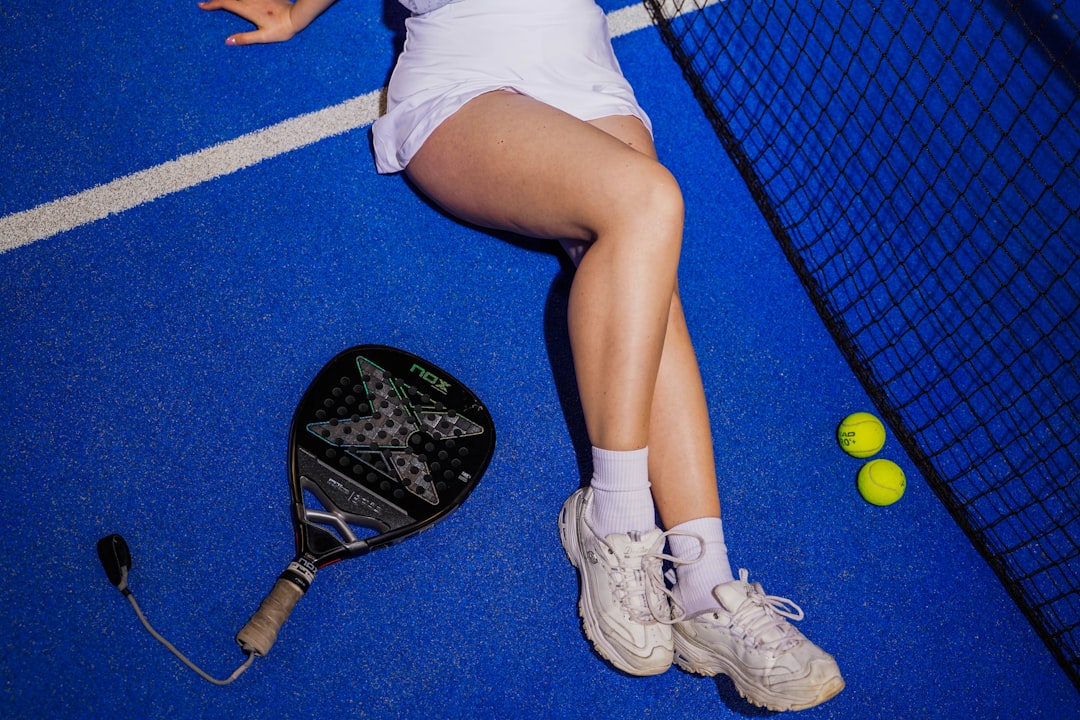
The equipment used in padel and tennis also varies significantly. Tennis players use rackets with strings, which allow for a wide range of shots, including powerful serves and precise volleys. Padel players, however, use solid paddles, which are more akin to squash rackets but without the strings. These paddles are designed to withstand the high-speed impacts of the ball bouncing off the court’s walls, and they require a different gripping and swinging technique compared to tennis rackets.
Physical and Mental Demands: Which Sport Requires More?
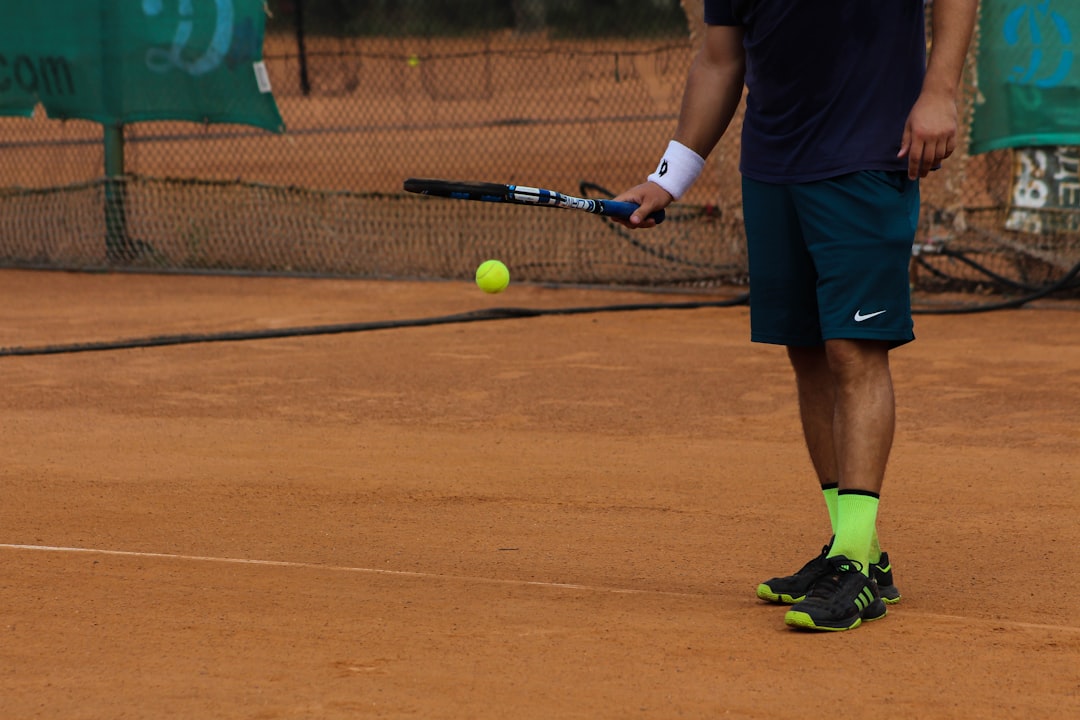
Both padel and tennis are physically demanding sports that require a good level of fitness, flexibility, and stamina. However, the nature of the physical demands differs between the two. Tennis, especially when played at a high level, requires explosive power for serves, quick sprints across the court, and the endurance to maintain a high intensity over several hours. Padel, while still physically demanding, tends to focus more on quick bursts of speed, agility, and rapid hand movements to react to the ball’s unpredictable trajectories.
Mentally, both sports require focus, strategy, and the ability to manage pressure, especially in competitive matches. However, the social aspect of padel, played exclusively in doubles, adds a teamwork element that can either enhance the mental challenge or provide support, depending on the player’s perspective. The fast-paced and unpredictable nature of padel can be mentally taxing, as players need to be constantly alert and adaptable to the changing situation on the court.
Learning Curve and Accessibility: Which Sport is More Beginner-Friendly?
For beginners, padel is often considered more accessible than tennis. The use of paddles instead of rackets makes it easier for new players to generate power and control, and the smaller court size reduces the amount of running required. Additionally, the walls in padel allow for a higher margin of error, as the ball can be played off them, giving beginners more time to react and making the game more forgiving.
Tennis, while rewarding for those who master it, has a steeper learning curve. The technique required for serves, forehands, backhands, and volleys can take time to develop, and the larger court size means that players need to be prepared to cover more ground. However, with practice and patience, tennis can be just as enjoyable for beginners, offering a sense of accomplishment as skills improve.
Conclusion: Is Padel Moeilijker dan Tennis?
So, is padel moeilijker dan tennis? The answer depends on your perspective and what aspects of the sports you prioritize. If you value the speed, agility, and strategic teamwork of a fast-paced, wall-bouncing ball game, then padel might be the more challenging and appealing choice. On the other hand, if you enjoy the individuality, the variety of shots, and the endurance challenge of covering a larger court, then tennis might be where you find your greatest tests and rewards.
Ultimately, both padel and tennis offer unique challenges and benefits, catering to different preferences and skill sets. Whether you’re a seasoned athlete or a beginner looking to get into racket sports, understanding the differences and similarities between padel and tennis can help you choose the sport that best fits your interests, abilities, and fitness goals. So, grab a racket or paddle, and get ready to serve up some fun and competition on the court!

Laat een reactie achter