
Are you a tennis enthusiast considering trying out padel, or perhaps a padel player wondering how your skills will translate to the tennis court? The debate about which sport is more challenging has sparked intense discussions among players and fans alike. In this article, we’ll delve into the world of padel and tennis, exploring the key differences and similarities between the two sports. By the end of this post, you’ll have a better understanding of whether padel is indeed harder than tennis, and what you can do to improve your game in either sport.
Introduction to Padel and Tennis: Understanding the Basics
Before we dive into the nitty-gritty of which sport is more challenging, it’s essential to understand the fundamental rules and gameplay of both padel and tennis. Padel, a relatively new sport, originated in Mexico in the 1960s and has since gained immense popularity worldwide. It’s played on a court with walls, using a solid paddle and a plastic ball with holes. The game is typically played in doubles, with the objective of hitting the ball in such a way that your opponents cannot return it. Tennis, on the other hand, is a more traditional sport with a long history, played on a variety of surfaces, including grass, clay, and hard courts. The game can be played in both singles and doubles formats, with the aim of hitting the ball over the net into your opponent’s court.
Key Differences Between Padel and Tennis: What Sets Them Apart
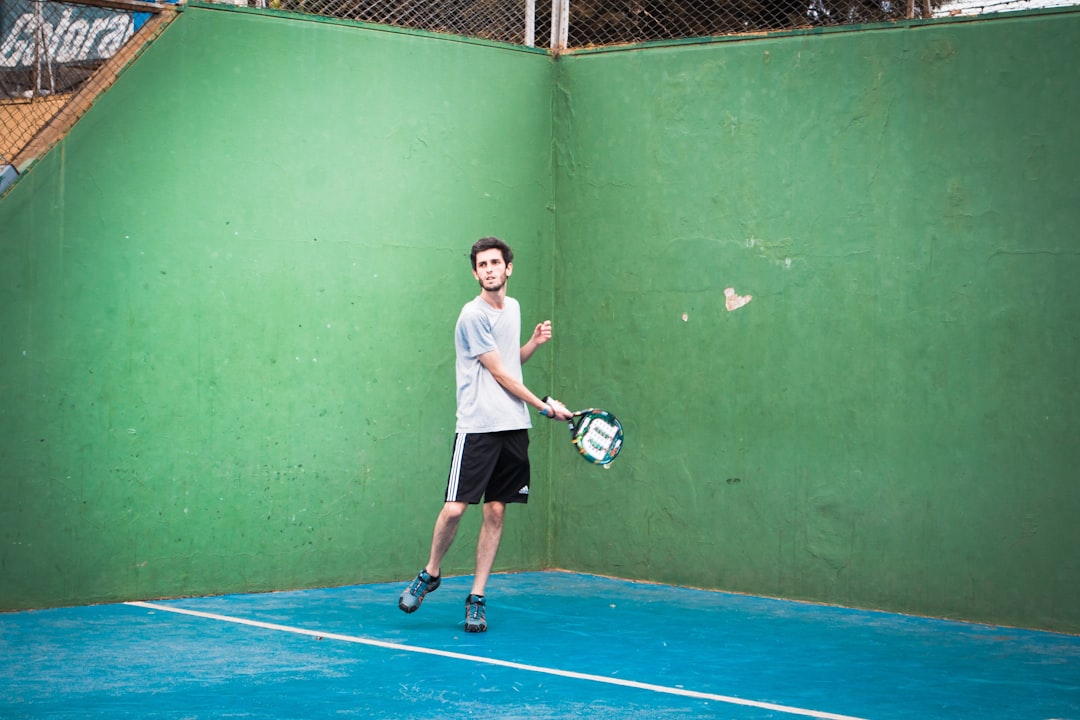
So, what makes padel different from tennis, and how do these differences impact the level of difficulty? One of the primary distinctions between the two sports is the court size and layout. A padel court is significantly smaller than a tennis court, measuring 20×10 meters, compared to a tennis court which measures 23.77×10.97 meters for singles and 23.77×12 meters for doubles. The walls surrounding a padel court also play a crucial role in the game, as players can use them to their advantage by hitting the ball against the walls to create complex angles and shots. In contrast, tennis courts have no walls, and players must rely solely on their skills and strategy to outmaneuver their opponents.
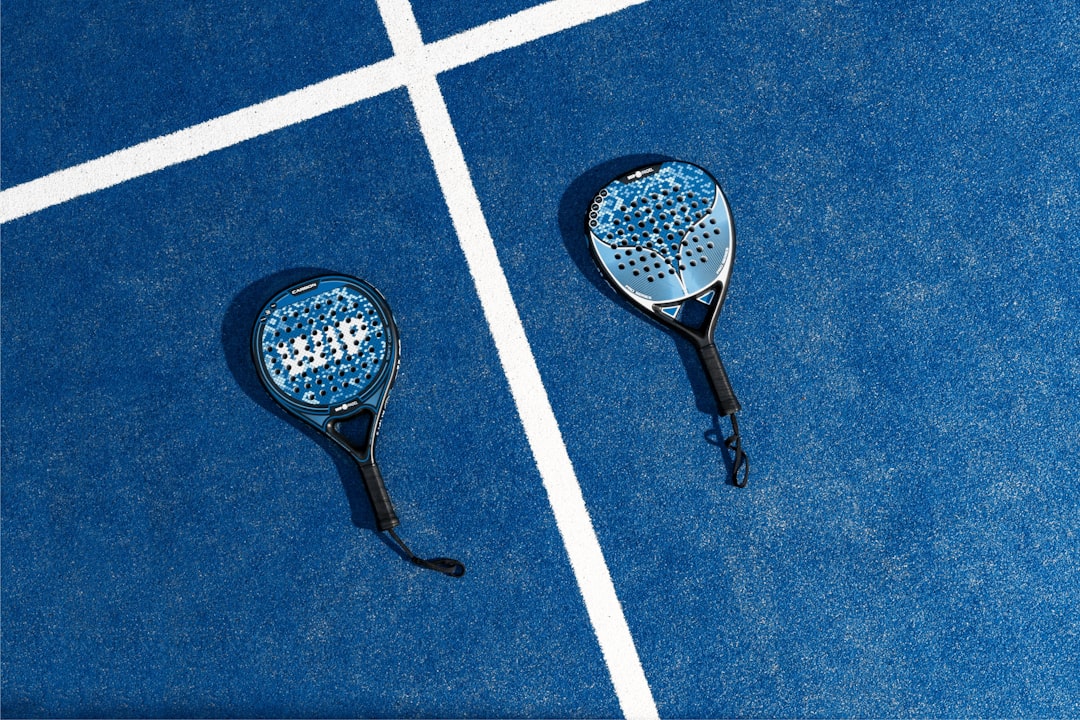
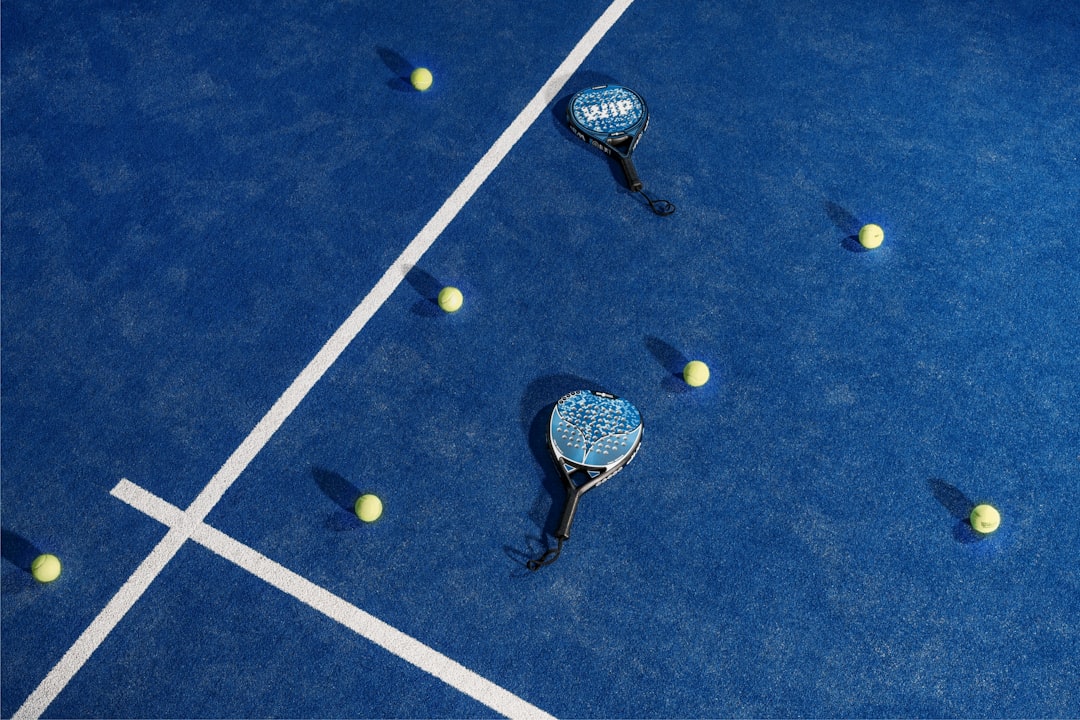
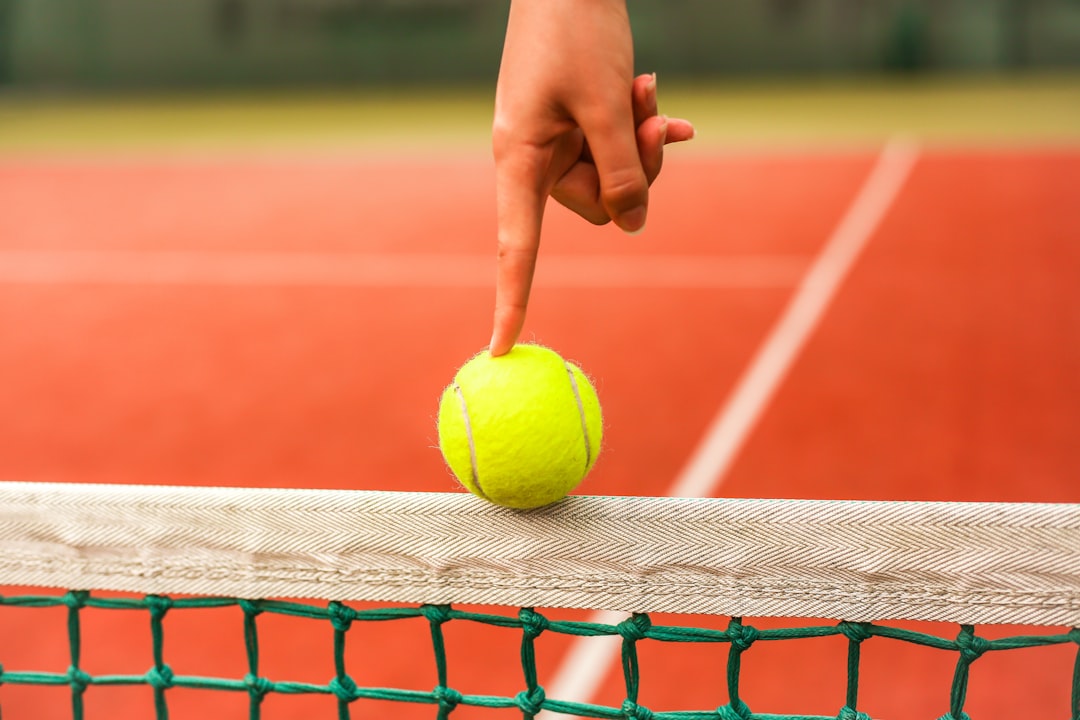
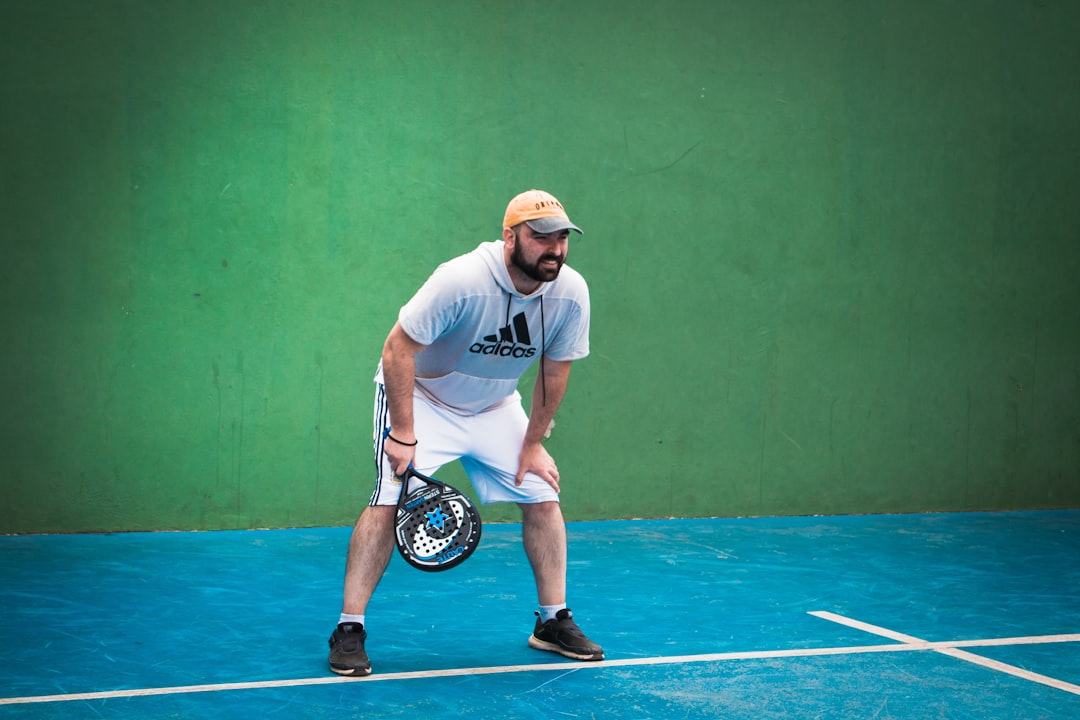
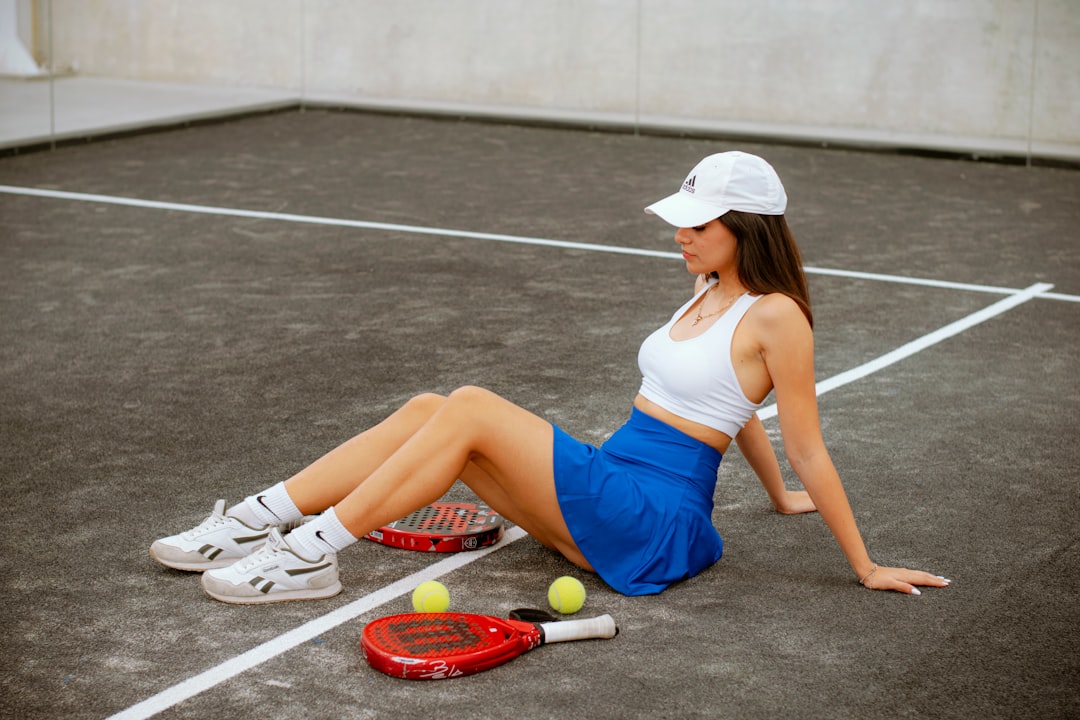
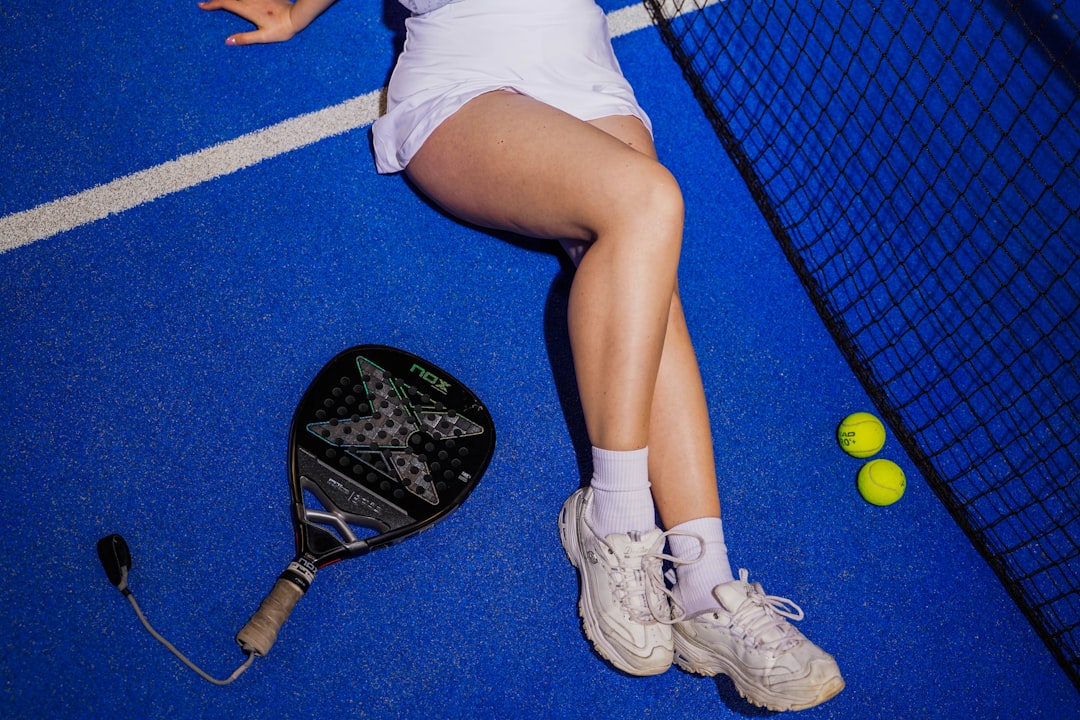
Another significant difference between padel and tennis is the equipment used. Padel players use a solid paddle, which is smaller and lighter than a tennis racket. The plastic ball used in padel also has holes, which affect its aerodynamics and make it more unpredictable than a tennis ball. In tennis, players use a racket with strings, and the ball is made of felt and hollow rubber, allowing for more control and precision.
The Difficulty Factor: Is Padel Harder Than Tennis?
Now that we’ve explored the key differences between padel and tennis, let’s address the question on everyone’s mind: is padel harder than tennis? The answer, unfortunately, is not a simple one. Both sports require a unique set of skills, strategy, and physical fitness, making it challenging to declare one sport as definitively harder than the other. However, we can examine some aspects of each sport that may contribute to their level of difficulty.
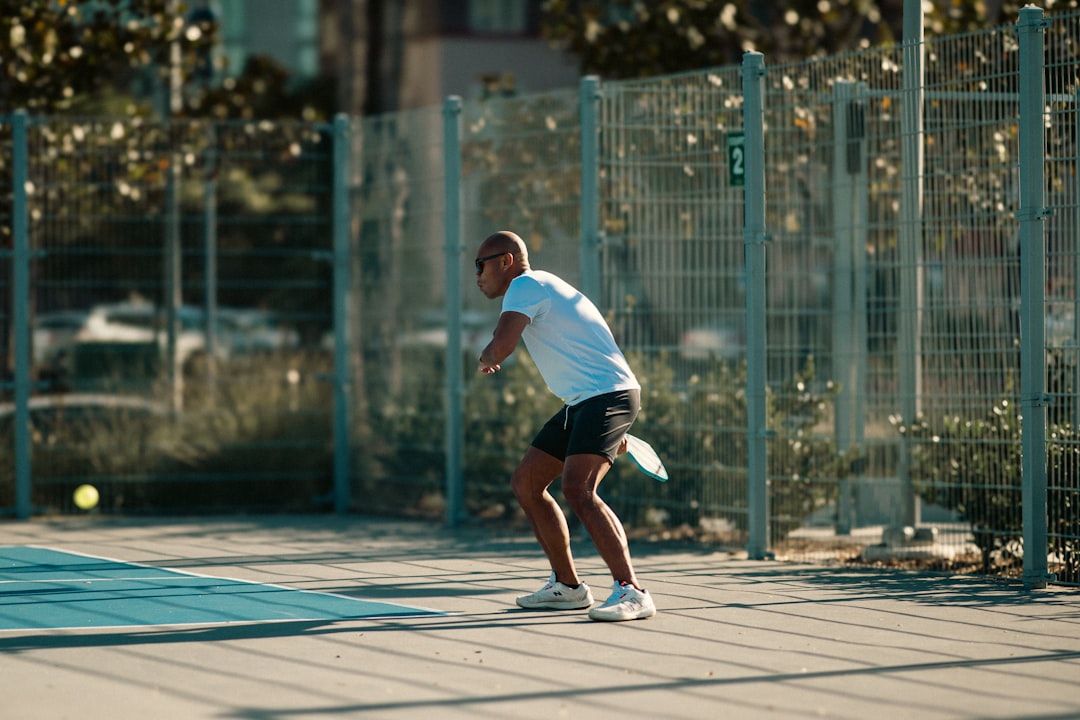
In padel, the smaller court size and the presence of walls can make the game more fast-paced and intense. Players need to be highly agile and reactive, as the ball can bounce off the walls and change direction quickly. The solid paddle used in padel also requires a different technique than a tennis racket, as players must use their wrists and arms to generate power and control. On the other hand, tennis players need to cover more ground on the larger court, which can be physically demanding, especially in singles matches. The variety of surfaces used in tennis also requires players to adapt their game, as the ball behaves differently on each surface.
Training and Improvement: Tips for Padel and Tennis Players
Whether you’re a seasoned tennis player looking to transition to padel or a padel enthusiast seeking to improve your skills, there are several tips and strategies that can help you enhance your game. For padel players, it’s essential to focus on developing your hand-eye coordination, agility, and reaction time. Practicing shots against the walls, such as the “bandeja” (a shot that hits the wall and then the opponent’s side of the court), can help you master the unique aspects of padel. Tennis players, on the other hand, should concentrate on building their endurance, speed, and strength, as these factors are critical in covering the larger court and sustaining long rallies.
For those looking to transition from tennis to padel, it’s crucial to adjust to the smaller court size and the solid paddle. Start by practicing your shots and movements in a padel court, focusing on using the walls to your advantage. You may also need to adapt your strategy, as padel is often more focused on teamwork and communication in doubles matches. Conversely, padel players transitioning to tennis should be prepared to cover more ground and adapt to the different surfaces and ball behavior.
Conclusion: Uncovering the Truth Behind Padel and Tennis
In conclusion, the question of whether padel is harder than tennis is a complex one, with no straightforward answer. Both sports require a unique set of skills, strategy, and physical fitness, making them challenging in their own ways. By understanding the key differences between padel and tennis, including court size, equipment, and gameplay, players can better appreciate the nuances of each sport and develop their skills accordingly. Whether you’re a seasoned pro or a beginner, the most important thing is to enjoy the game, challenge yourself, and have fun. So, grab your paddle or racket, and get ready to experience the excitement of padel and tennis!
Key takeaways:
- Padel and tennis are two distinct sports with different rules, equipment, and gameplay.
- The smaller court size and walls in padel make the game more fast-paced and intense, while the larger court size in tennis requires more endurance and speed.
- Both sports require a unique set of skills, strategy, and physical fitness, making them challenging in their own ways.
- Players transitioning from tennis to padel or vice versa should be prepared to adapt to the different court size, equipment, and gameplay.
- Focus on developing your hand-eye coordination, agility, and reaction time in padel, and build your endurance, speed, and strength in tennis.

Laat een reactie achter