
Are you a tennis enthusiast considering trying padel, or perhaps a padel player wondering how your skills will translate to the tennis court? If so, you’re probably asking yourself: is padel moeilijker dan tennis? The answer isn’t a simple yes or no, as both sports have their unique challenges and requirements. In this comprehensive guide, we’ll delve into the world of padel and tennis, exploring the differences, similarities, and what makes each sport more or less difficult than the other.
Introduction to Padel and Tennis: Understanding the Basics
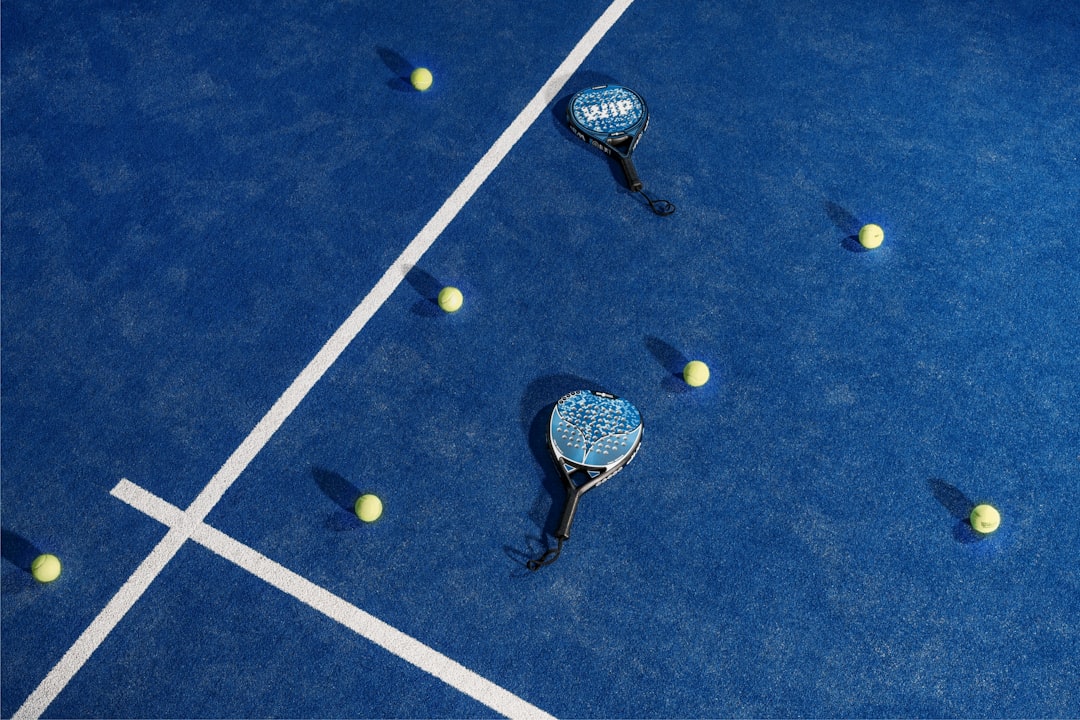
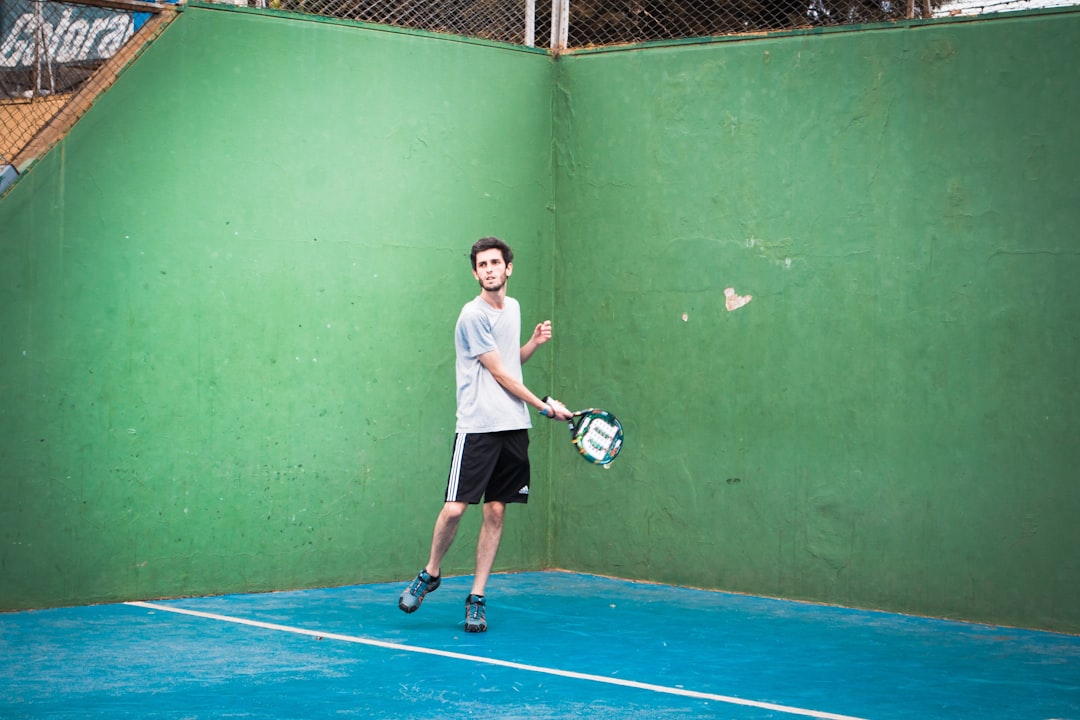
Before we dive into the complexities of each sport, it’s essential to understand the basics. Padel, a racquet sport originating from Mexico, is played on a court with walls, similar to squash. The game is typically played in doubles, with a lower net and a unique serving style. Tennis, on the other hand, is a well-known individual sport played on a larger court with a higher net. The objective of both games is to hit the ball over the net and into your opponent’s court, but the rules, strategies, and techniques differ significantly.
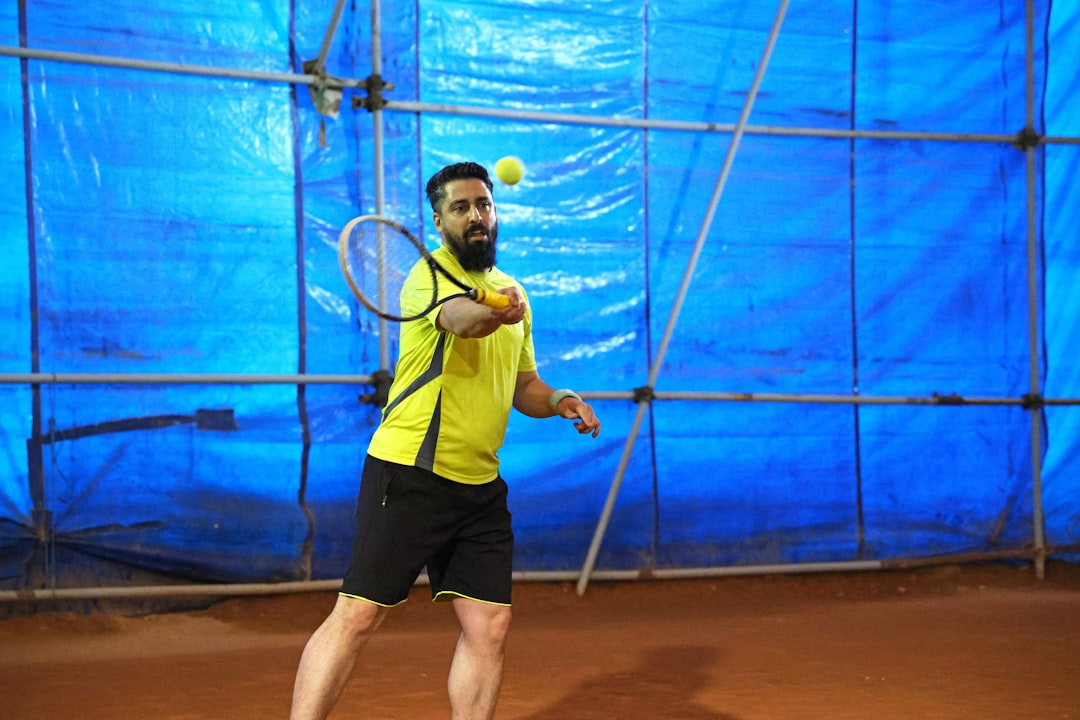
Tennis is often considered a more physically demanding sport, requiring quick sprints, sharp turns, and powerful shots. Padel, while still a great workout, tends to focus more on strategy and hand-eye coordination. The smaller court and lower net in padel result in a faster-paced game with an emphasis on volleys and smashes. In contrast, tennis players need to cover more ground, generating power and speed to outmaneuver their opponents.
Key Differences: What Makes Padel Easier or Harder Than Tennis?
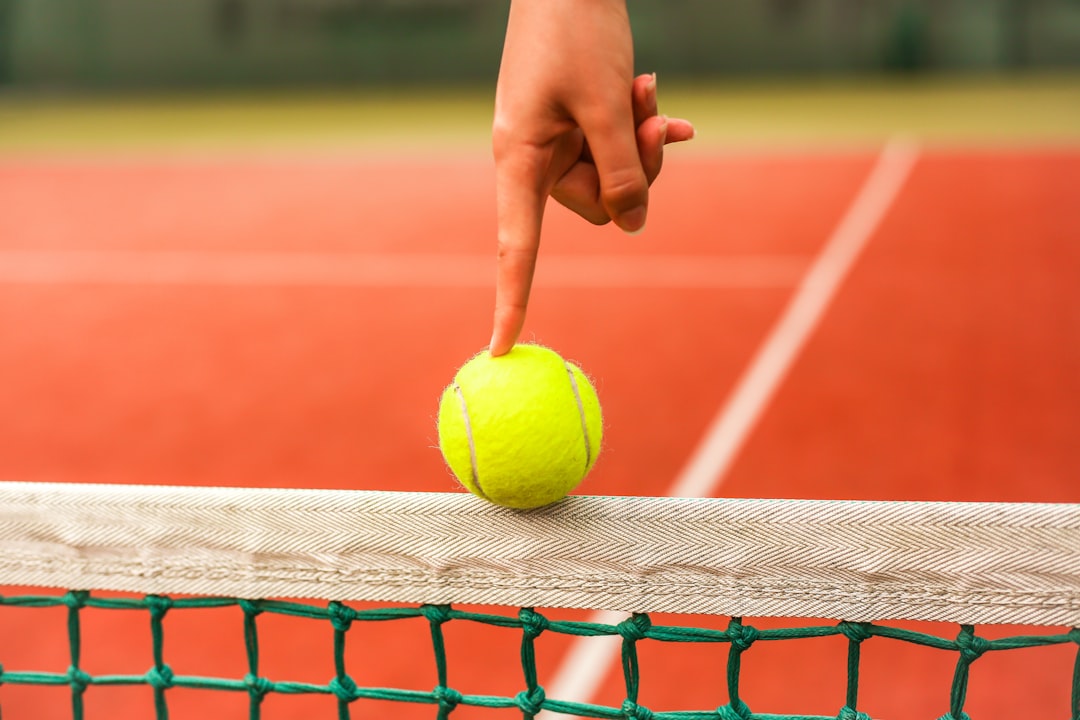
Several key differences between padel and tennis can affect the level of difficulty for players. One significant factor is the court size and net height. Padel courts are smaller, with a net height of approximately 88 cm, compared to tennis courts, which have a net height of 107 cm at the center. The lower net in padel makes it easier for players to clear the net, but the walls surrounding the court can also lead to unpredictable bounces, adding an extra layer of complexity to the game.
Another critical difference is the type of ball used. Padel balls are made of plastic, with holes, similar to those used in squash, while tennis balls are pressurized and made of hollow rubber with a felt coating. The texture and weight of the balls affect their bounce, speed, and overall playability. Padel balls tend to have a slower bounce, making them easier to control, but the unique serving style in padel, which involves throwing the ball upwards and hitting it with the racquet, can be challenging for beginners to master.
Technique and Strategy: Mastering the Skills of Padel and Tennis
Mastering the techniques and strategies of padel and tennis requires dedication and practice. In tennis, players need to develop a strong serve, forehand, backhand, and volley. The sport demands a high level of athleticism, with an emphasis on footwork, agility, and endurance. Padel, on the other hand, focuses more on hand-eye coordination, reaction time, and strategy. Players need to work together as a team, communicating effectively to outmaneuver their opponents.
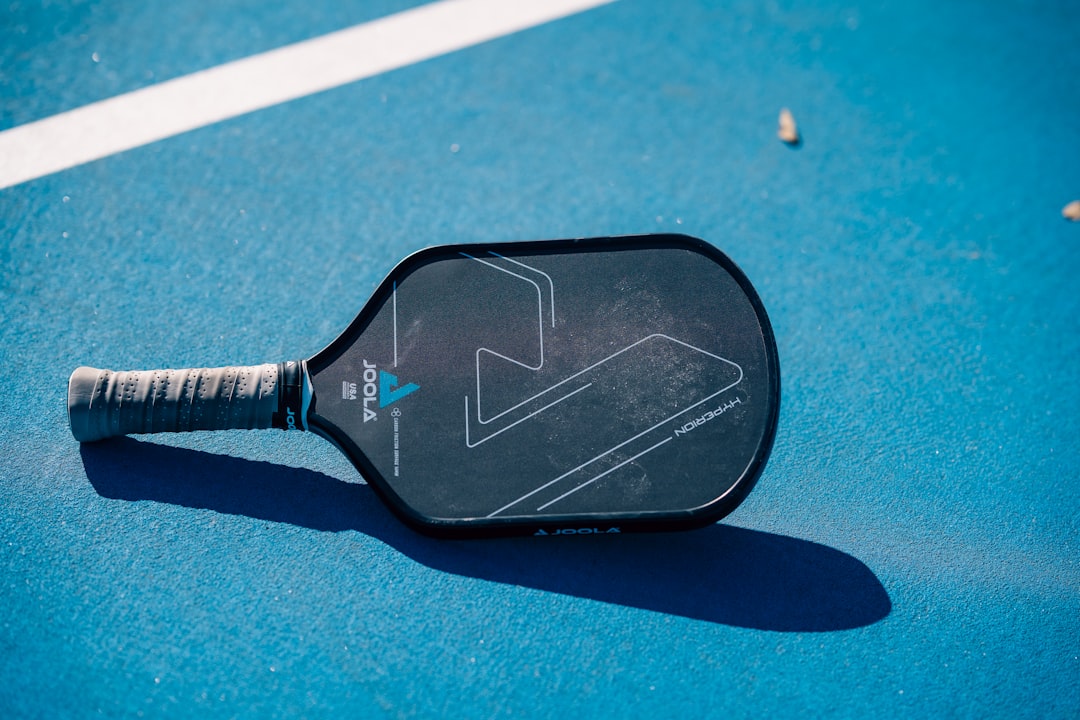
The technique used in padel is distinct from tennis, with a greater emphasis on wrist movements and soft hands. The racquet, or paddle, used in padel is also unique, with a solid, perforated face and no strings. This design allows for more control over the ball, but it can also lead to a lack of power and spin, making it more challenging to hit precise shots. In contrast, tennis racquets are designed to generate power and speed, with a focus on string patterns and tensions that can greatly affect the player’s performance.
Physical and Mental Demands: Which Sport is More Challenging?
Both padel and tennis are physically and mentally demanding sports, but in different ways. Tennis is often considered a more physically demanding sport, requiring quick bursts of speed, agility, and endurance. The larger court size and higher net result in longer rallies and more intense physical exertion. Padel, while still a great workout, tends to focus more on strategy and mental toughness. The faster-paced game and unpredictable bounces can be mentally challenging, requiring players to stay focused and adapt quickly to changing situations.
In terms of physical demands, padel players need to have good hand-eye coordination, reaction time, and agility. The sport also requires a high level of cardiovascular fitness, as players need to be able to sustain a fast-paced game over an extended period. Tennis players, on the other hand, need to have a strong overall fitness level, with a focus on speed, agility, and endurance. The sport also requires a high level of mental toughness, with players needing to manage their emotions and stay focused under pressure.
Conclusion: Is Padel Moeilijker dan Tennis?
So, is padel moeilijker dan tennis? The answer ultimately depends on the individual player’s skills, experience, and preferences. Both sports have their unique challenges and requirements, and what may be more difficult for one player may be easier for another. Padel’s faster-paced game, unpredictable bounces, and unique serving style can be challenging for beginners, but the sport’s emphasis on strategy and hand-eye coordination can also make it more accessible to players who enjoy a more cerebral approach to racquet sports.
Tennis, on the other hand, is a more physically demanding sport that requires a high level of athleticism and endurance. The larger court size and higher net result in longer rallies and more intense physical exertion, making it a great workout for players who enjoy a challenging and fast-paced game. Ultimately, whether padel is moeilijker dan tennis depends on the player’s individual strengths, weaknesses, and preferences. By understanding the unique challenges and requirements of each sport, players can make an informed decision about which game is right for them and enjoy the many benefits that both padel and tennis have to offer.


Laat een reactie achter