
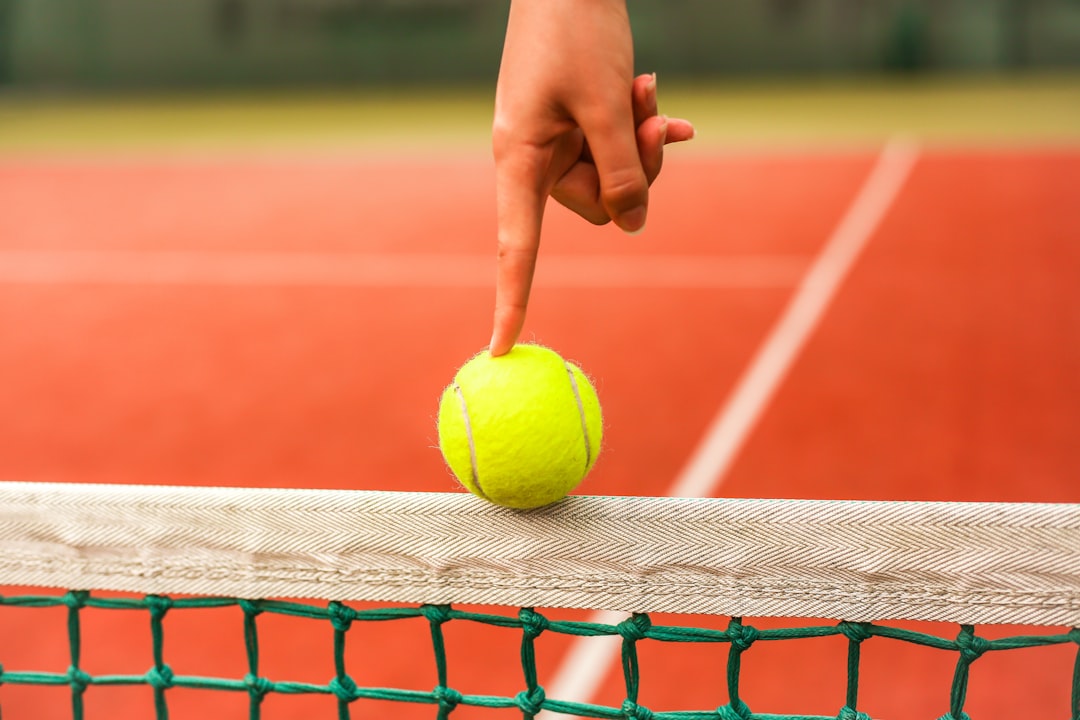
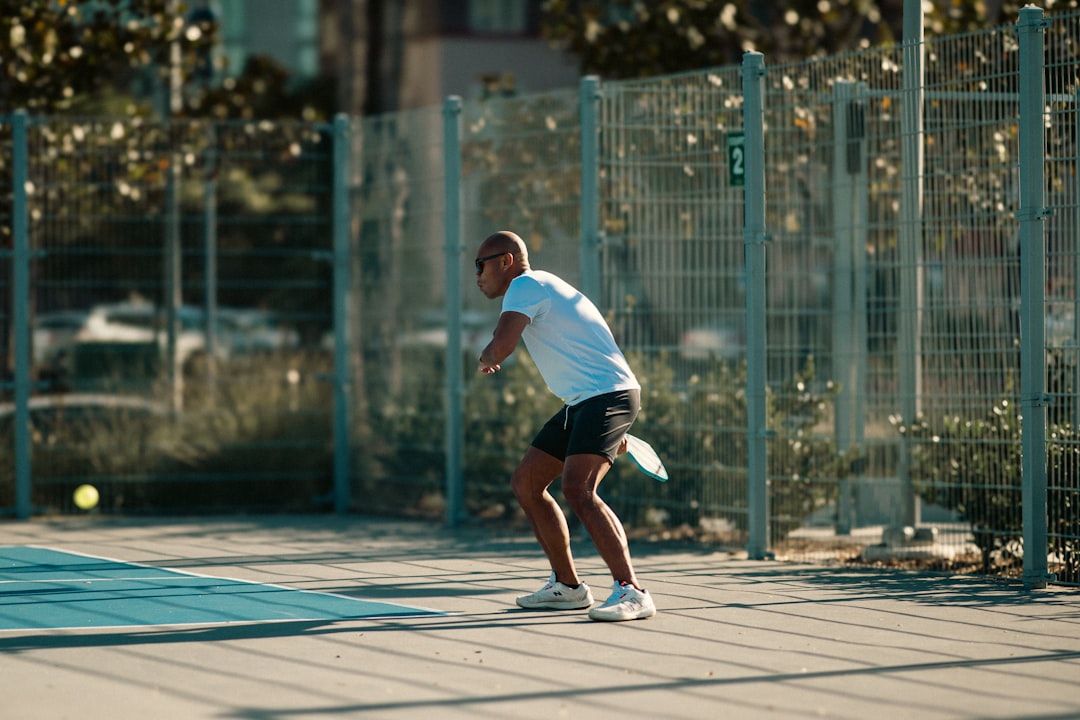
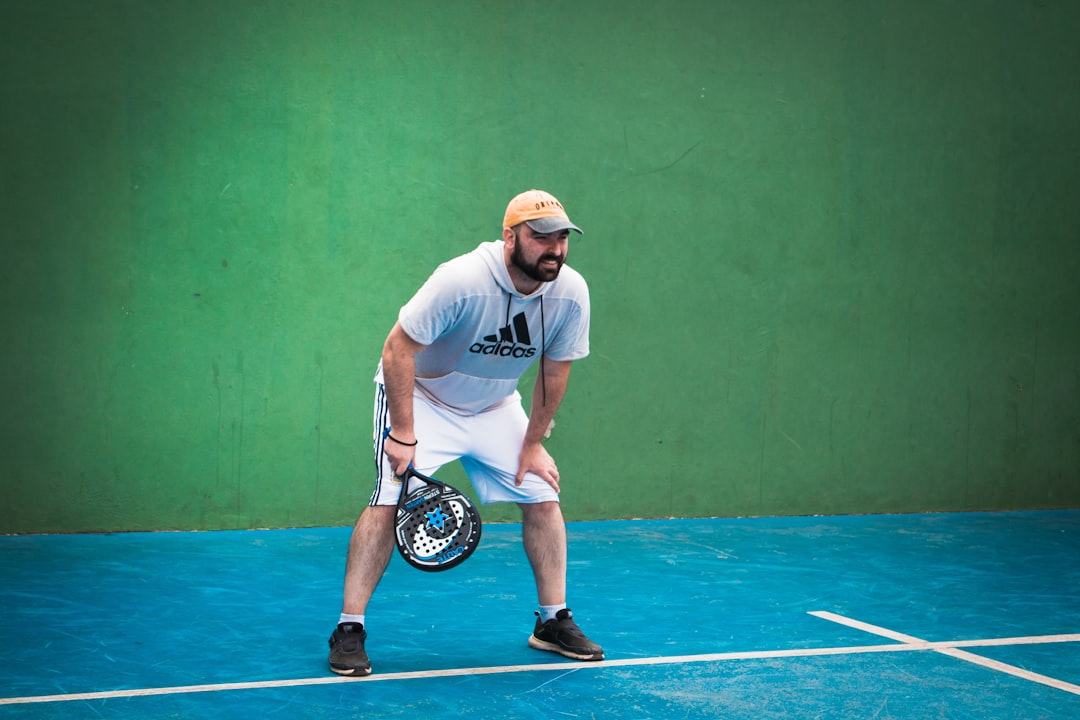
Are you ready to take your padel game to the next level? Look no further! As a rapidly growing sport, padel requires the right equipment to ensure a fun and competitive experience. At the heart of the game is the humble padel ball, a crucial component that can make or break your performance on the court. In this comprehensive guide, we’ll delve into the world of padel balls, exploring their history, types, characteristics, and maintenance. Whether you’re a seasoned pro or a beginner, this article will provide you with the knowledge and insights to choose the perfect padel ball and improve your overall game.
Introduction to Padel Balls
Padel balls have come a long way since the sport’s inception in the 1960s. Initially, padel players used tennis balls, but as the game gained popularity, manufacturers began to develop balls specifically designed for padel. Today, padel balls are made from a unique blend of materials, including rubber, polybutadiene, and polyurethane. These materials provide the perfect balance of bounce, durability, and aerodynamics, making them ideal for the fast-paced and dynamic nature of padel. When choosing a padel ball, it’s essential to consider factors such as pressure, weight, and texture, as these can significantly impact your game.
Types of Padel Balls
The market is flooded with a wide range of padel balls, each with its unique characteristics and advantages. Here are some of the most common types of padel balls:
- Pressurized Padel Balls: These balls are filled with air and have a higher bounce than non-pressurized balls. They are ideal for professional players and those who prefer a more rapid game.
- Non-Pressurized Padel Balls: These balls are made from a solid core and have a lower bounce than pressurized balls. They are perfect for beginners and players who prefer a slower-paced game.
- High-Altitude Padel Balls: These balls are designed for play at high altitudes, where the air pressure is lower. They have a slightly higher pressure than standard balls to compensate for the lower air pressure.
- Training Padel Balls: These balls are designed for practice and training sessions. They are often made from durable materials and have a lower bounce than standard balls.
- Pressure: Padel balls come in various pressure levels, ranging from 7.5 to 8.5 psi. Higher pressure balls have a faster bounce, while lower pressure balls have a slower bounce.
- Weight: Padel balls typically weigh between 56 and 60 grams. Lighter balls are easier to maneuver, while heavier balls provide more power and stability.
- Texture: Padel balls have a unique texture that provides traction and control. The texture can vary from ball to ball, with some having a smoother surface and others having a more aggressive texture.
- Durability: Padel balls are designed to withstand the rigors of the game, but their durability can vary depending on the materials used and the level of play.
- Store them properly: Keep your padel balls in a cool, dry place, away from direct sunlight and moisture.
- Clean them regularly: Use a soft cloth and mild soap to clean your padel balls, removing any dirt or debris that may accumulate.
- Check the pressure: Regularly check the pressure of your padel balls to ensure they are at the recommended level.
- Replace them regularly: Padel balls have a limited lifespan and should be replaced every 3-6 months, depending on usage.
- Padel balls are designed specifically for the sport and offer a unique blend of materials and characteristics.
- There are various types of padel balls, including pressurized, non-pressurized, high-altitude, and training balls.
- Characteristics such as pressure, weight, texture, and durability can significantly impact your game.
- Proper maintenance and care of padel balls are essential to ensure they perform at their best.
Characteristics of Padel Balls
When selecting a padel ball, it’s crucial to consider its characteristics, as these can significantly impact your game. Here are some key factors to look out for:
Maintenance and Care of Padel Balls
To ensure your padel balls perform at their best, it’s essential to maintain and care for them properly. Here are some tips to keep your padel balls in top condition:
Conclusion
In conclusion, padel balls are a critical component of the game, and choosing the right one can make all the difference in your performance. By understanding the history, types, characteristics, and maintenance of padel balls, you’ll be well-equipped to select the perfect ball for your needs. Remember to consider factors such as pressure, weight, texture, and durability when selecting a padel ball, and don’t forget to maintain and care for your balls properly to ensure they perform at their best. With the right padel ball by your side, you’ll be ready to take on the competition and unlock the secrets to a winning game. Key takeaways from this article include:
By following these tips and insights, you’ll be well on your way to becoming a padel pro and enjoying the many benefits that this exciting sport has to offer. So why wait? Get out on the court and start playing with the perfect padel ball today!

Laat een reactie achter